


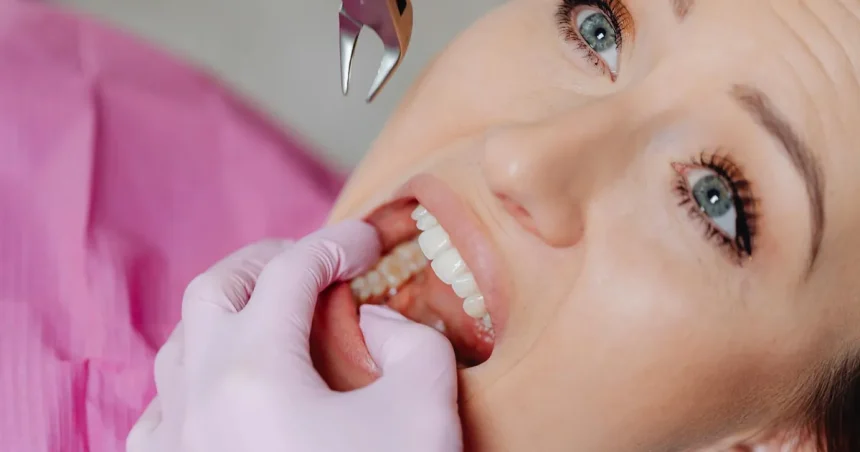
Tooth pain can strike without warning, turning a simple bite into agony and keeping you up at night. Whether it’s a sharp jolt when sipping coffee or a dull, persistent throb, dental discomfort is more than just an inconvenience—it’s your body’s way of sounding an alarm. Understanding the root causes of tooth pain and knowing how to find quick relief can save you from unnecessary suffering and prevent minor issues from spiraling into major dental emergencies. From cavities to gum disease, sinus pressure to cracked teeth, the triggers are as varied as they are frustrating. But here’s the good news: not all tooth pain requires an emergency dentist visit. With the right knowledge, you can often ease the discomfort at home while waiting for professional care. Let’s explore what’s really happening inside your mouth and how to take control before the pain takes over your day.
What Is Tooth Pain and Why Does It Happen?
Tooth pain, or dentalgia, is a discomfort that originates from the teeth or surrounding structures, signaling an underlying issue that demands attention. In its simplest form, it’s your body’s way of telling you something is wrong—whether it’s a minor irritation or a serious dental condition. The pain can range from a mild ache to an unbearable throb, often triggered by temperature changes, pressure, or even sweet foods. At its core, tooth pain occurs when the nerve inside the tooth (the pulp) becomes irritated or inflamed. This can happen due to decay, infection, trauma, or even gum disease. The pulp contains sensitive nerve endings and blood vessels, so when it’s exposed or damaged, the pain can be intense. Understanding the type of pain you’re experiencing—sharp, dull, intermittent, or constant—can help pinpoint the cause and guide you toward the right relief.
How Nerve Sensitivity Triggers Pain

The nerves inside your teeth are incredibly sensitive, designed to protect you from harm. When bacteria penetrate the tooth’s outer layers (enamel and dentin), they reach the pulp, where the nerves reside. This exposure can lead to inflammation, causing the nerves to send pain signals to your brain. Even something as simple as breathing in cold air can trigger a sharp, fleeting pain if the nerves are already irritated. Over time, untreated sensitivity can worsen, leading to chronic discomfort or even infection. The key is to address the underlying cause—whether it’s a cavity, worn enamel, or gum recession—before the pain becomes unbearable.
The Role of Inflammation in Dental Discomfort
Inflammation is a major player in tooth pain, often acting as both a symptom and a cause. When bacteria invade the tooth or gums, your body’s immune system responds by sending white blood cells to the area, leading to swelling and pressure. This pressure can compress the nerves, resulting in a dull, persistent ache. Inflammation is particularly common in conditions like gingivitis or abscesses, where the gums become red, swollen, and tender. Over-the-counter anti-inflammatory medications like ibuprofen can provide temporary relief by reducing swelling, but they won’t fix the root problem. If the inflammation persists, it can lead to more serious issues, such as bone loss or systemic infections, making early intervention crucial.
Common Causes of Tooth Pain You Shouldn’t Ignore
Tooth pain rarely appears out of nowhere—it’s usually a sign that something in your mouth needs attention. Some causes are obvious, like a visible cavity or a chipped tooth, while others lurk beneath the surface, making them harder to diagnose without professional help. One of the most common culprits is tooth decay, which occurs when plaque buildup erodes the enamel, creating tiny holes that expose the sensitive inner layers. But decay isn’t the only offender. Gum disease, cracked teeth, and even sinus infections can mimic dental pain, leaving you guessing about the source. The good news? Most causes are preventable with good oral hygiene and regular dental checkups. Let’s break down the most frequent offenders and what you can do to avoid them.
Tooth Decay: The Silent Culprit Behind Most Aches

Tooth decay, or cavities, is the leading cause of tooth pain worldwide. It starts when bacteria in your mouth feed on sugars from food, producing acids that erode the enamel. Over time, this erosion creates small holes that expose the dentin, a softer layer beneath the enamel. When hot, cold, or sweet foods reach the dentin, they trigger sharp pain. If left untreated, the decay can reach the pulp, leading to infection and severe discomfort. The best way to prevent cavities is through regular brushing, flossing, and dental cleanings. If you already have a cavity, a filling or crown can restore the tooth and stop the pain in its tracks.
Gum Disease: When Pain Comes from Below the Surface
Gum disease, or periodontal disease, is a sneaky cause of tooth pain that often goes unnoticed until it’s advanced. It starts with gingivitis, a mild inflammation of the gums caused by plaque buildup. If not treated, it can progress to periodontitis, where the gums pull away from the teeth, forming pockets that harbor bacteria. These pockets can become infected, leading to pain, swelling, and even tooth loss. Unlike cavities, gum disease pain is often dull and persistent, accompanied by bleeding gums or bad breath. The best defense? Daily flossing, regular dental cleanings, and using an antiseptic mouthwash to keep bacteria at bay.
Less Obvious Triggers of Dental Discomfort

Not all tooth pain originates from your teeth. Sometimes, the discomfort stems from unexpected sources, like sinus pressure, bruxism (teeth grinding), or even a misaligned bite. These triggers can be frustrating because they’re harder to diagnose and often require a different approach to relief. For example, sinus infections can cause referred pain in the upper teeth, making it feel like a dental issue when it’s actually a respiratory problem. Similarly, grinding your teeth at night can lead to jaw pain and tooth sensitivity, even if your teeth appear healthy. Understanding these less obvious causes can help you find the right solution faster and avoid unnecessary dental procedures.
Sinus Infections and Referred Tooth Pain
If you’ve ever had a sinus infection, you might have noticed a dull ache in your upper teeth. This happens because the roots of your upper molars sit close to the sinus cavities. When the sinuses become inflamed or infected, the pressure can radiate to the teeth, mimicking dental pain. The key difference? Sinus-related tooth pain usually affects multiple teeth on one side of the mouth and worsens when you bend over or lie down. Over-the-counter decongestants or saline rinses can help relieve the pressure, but if the pain persists, it’s worth checking with your dentist to rule out dental issues.
Bruxism: How Teeth Grinding Leads to Chronic Pain
Bruxism, or teeth grinding, is a common but often overlooked cause of tooth pain. Many people grind their teeth at night without realizing it, leading to worn enamel, jaw pain, and even cracked teeth. The constant pressure can irritate the nerves inside the teeth, causing sensitivity and discomfort. If you wake up with a sore jaw or headaches, you might be grinding your teeth. A custom nightguard from your dentist can protect your teeth and reduce the strain on your jaw muscles. Stress management techniques, like meditation or exercise, can also help reduce grinding by easing tension.
Quick Relief Tips for Immediate Comfort
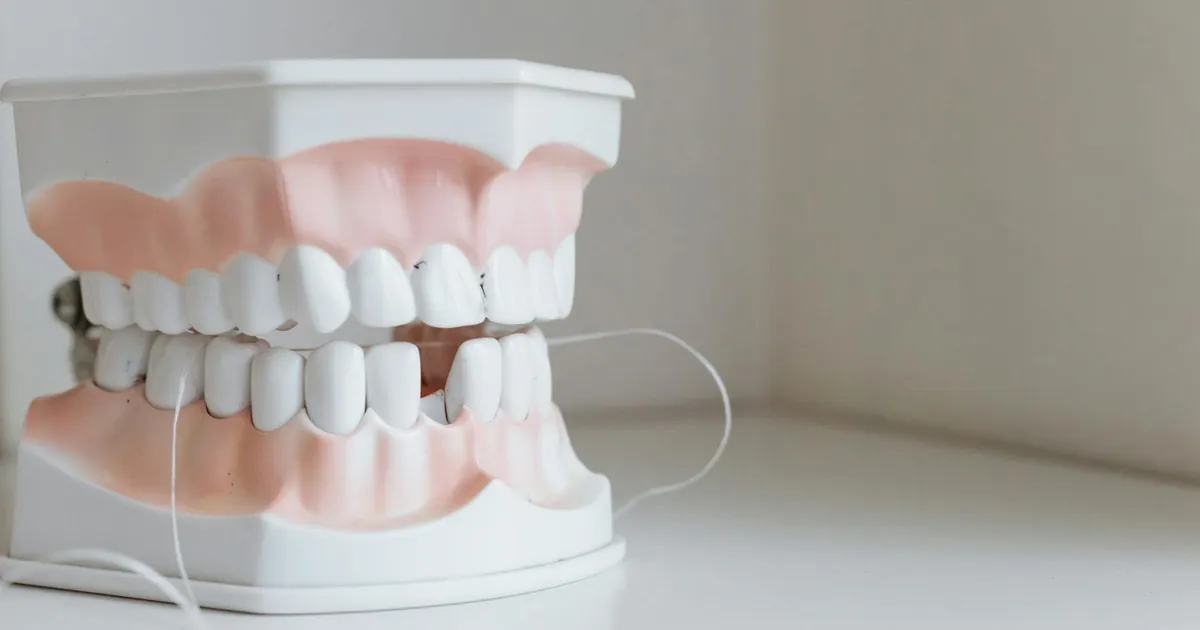
When tooth pain strikes, waiting for a dentist appointment can feel like an eternity. Fortunately, there are several ways to ease the discomfort at home while you wait for professional care. The key is to act fast and use methods that target the root cause of the pain, whether it’s inflammation, sensitivity, or infection. Some remedies, like saltwater rinses or cold compresses, are simple yet effective for temporary relief. Others, like over-the-counter pain relievers, can help manage the pain until you can see your dentist. Keep in mind that these tips are not a substitute for professional treatment, but they can make the wait more bearable. Let’s explore the best ways to find quick relief when tooth pain disrupts your day.
Saltwater Rinse: A Simple but Powerful Remedy
A saltwater rinse is one of the oldest and most effective home remedies for tooth pain. Salt has natural antiseptic properties that help reduce inflammation and kill bacteria, making it ideal for soothing sore gums or minor infections. To make a saltwater rinse, dissolve half a teaspoon of salt in a cup of warm water and swish it around your mouth for 30 seconds before spitting it out. Repeat this 2–3 times a day for best results. Not only does it help clean the affected area, but it also promotes healing by drawing out excess fluid from swollen tissues. It’s a simple, drug-free way to find relief while you wait for your dental appointment.
Cold Compress: Reducing Swelling and Numbing Pain
A cold compress can work wonders for reducing swelling and numbing tooth pain, especially if the discomfort is caused by inflammation or trauma. The cold constricts blood vessels, which helps decrease swelling and slows down the transmission of pain signals to your brain. To use a cold compress, wrap a bag of ice or a frozen gel pack in a thin cloth and hold it against the affected area for 15 minutes at a time. Repeat every few hours as needed. This method is particularly effective for pain caused by a knocked-out tooth, abscess, or recent dental work. Just be sure not to apply ice directly to your skin, as it can cause frostbite.
When to See a Dentist: Red Flags You Can’t Ignore
While some tooth pain can be managed at home, there are times when you need to see a dentist immediately. Ignoring certain symptoms can lead to serious complications, like infections spreading to other parts of your body or permanent tooth damage. For example, a persistent throbbing pain that doesn’t respond to over-the-counter medications could signal an abscess, which requires professional treatment. Similarly, swelling in your face or gums, fever, or difficulty swallowing are all signs that the infection is spreading and needs urgent care. Knowing when to seek help can mean the difference between a simple filling and a root canal—or worse. Here’s what to watch out for and why you shouldn’t delay.
Signs of an Abscess: Why You Need Urgent Care
An abscess is a pocket of pus caused by a bacterial infection, and it’s one of the most serious causes of tooth pain. It can form at the root of a tooth or in the gums, leading to intense, throbbing pain that radiates to your jaw, ear, or neck. Other symptoms include swelling in your face or gums, a foul taste in your mouth, fever, and swollen lymph nodes. If left untreated, an abscess can spread to other parts of your body, including your brain, heart, or lungs, making it a life-threatening condition. If you suspect you have an abscess, see a dentist immediately. Treatment may involve draining the pus, antibiotics, or a root canal to save the tooth.
Persistent Pain: When Home Remedies Aren’t Enough
If your tooth pain lasts more than a day or two despite using home remedies, it’s a sign that something more serious is going on. Persistent pain could indicate a deep cavity, a cracked tooth, or advanced gum disease, all of which require professional intervention. Over-the-counter pain relievers might mask the discomfort temporarily, but they won’t fix the underlying issue. In some cases, delaying treatment can lead to more extensive—and expensive—procedures down the line. If your pain is accompanied by swelling, fever, or difficulty opening your mouth, don’t wait. Schedule an appointment with your dentist as soon as possible to get to the root of the problem.
Key Takeaways
- Tooth pain is your body’s way of signaling an underlying issue, such as decay, gum disease, or infection.
- Common causes include cavities, gum disease, sinus infections, and teeth grinding (bruxism).
- Quick relief methods like saltwater rinses, cold compresses, and over-the-counter pain relievers can help manage discomfort temporarily.
- Less obvious triggers, like sinus pressure or a misaligned bite, can mimic dental pain and require different solutions.
- Red flags like swelling, fever, or persistent pain signal the need for urgent dental care to prevent complications.
- Preventive measures, such as regular brushing, flossing, and dental checkups, can help avoid most causes of tooth pain.
- Ignoring tooth pain can lead to more serious issues, including abscesses, tooth loss, or systemic infections.
“Tooth pain is often a warning sign that shouldn’t be ignored. While home remedies can provide temporary relief, they’re not a substitute for professional care. If the pain persists or worsens, it’s crucial to see a dentist to address the root cause before it leads to more serious complications. Prevention is always better than cure, so maintaining good oral hygiene and regular dental visits is key to keeping your teeth healthy and pain-free.”
—Dr. Sarah Thompson, DDS, American Dental Association
Frequently Asked Questions
Why does my tooth hurt when I eat something sweet?
Sweet sensitivity is a classic sign of tooth decay or exposed dentin. When sugar comes into contact with a cavity or worn enamel, it triggers the nerves inside the tooth, causing a sharp pain. This happens because the sugar interacts with the bacteria in your mouth, producing acids that irritate the exposed areas. If the pain is brief, it might indicate early-stage decay. However, if the discomfort lingers, it could mean the decay has reached the pulp, requiring a filling or root canal. Using a toothpaste designed for sensitive teeth and avoiding sugary foods can help manage the pain until you see your dentist.
Can a sinus infection cause tooth pain?
Yes, sinus infections can cause referred tooth pain, especially in the upper molars. The roots of these teeth sit close to the sinus cavities, so when the sinuses become inflamed or infected, the pressure can radiate to the teeth. This type of pain usually affects multiple teeth on one side of the mouth and worsens when you bend over or lie down. Over-the-counter decongestants or saline rinses can help relieve the pressure, but if the pain persists, it’s worth checking with your dentist to rule out dental issues like cavities or gum disease.
What’s the fastest way to relieve tooth pain at night?
Tooth pain at night can be particularly frustrating, but a few strategies can help you find relief. Start by elevating your head with an extra pillow to reduce blood flow to the affected area, which can ease throbbing pain. A cold compress on your cheek can also numb the pain and reduce swelling. Over-the-counter pain relievers like ibuprofen or acetaminophen can help manage the discomfort, but avoid aspirin directly on the tooth, as it can burn the gum tissue. If the pain is caused by grinding, wearing a nightguard can prevent further damage. If the pain persists, see your dentist as soon as possible to address the underlying cause.
Is it safe to use clove oil for tooth pain?
Clove oil is a natural remedy that has been used for centuries to relieve tooth pain. It contains eugenol, a compound with natural anesthetic and antibacterial properties that can temporarily numb the affected area. To use clove oil, soak a cotton ball in a few drops and apply it to the painful tooth or gum. You can also mix it with a carrier oil, like coconut oil, to dilute it. While clove oil can provide short-term relief, it’s not a long-term solution. If the pain persists, see your dentist to address the root cause. Avoid using clove oil if you’re pregnant, breastfeeding, or allergic to cloves.
How can I prevent tooth pain in the future?
Preventing tooth pain starts with good oral hygiene and regular dental care. Brush your teeth twice a day with fluoride toothpaste, floss daily to remove plaque between your teeth, and use an antiseptic mouthwash to kill bacteria. Limit sugary and acidic foods, which can erode enamel and lead to cavities. If you grind your teeth at night, ask your dentist about a custom nightguard to protect your teeth. Regular dental checkups and cleanings can catch issues early before they become painful. Finally, stay hydrated and eat a balanced diet rich in calcium and vitamin D to keep your teeth strong and healthy.
Why does my tooth hurt after a filling?
It’s normal to experience some sensitivity or discomfort after a filling, especially if the decay was deep or close to the nerve. This pain usually subsides within a few days as your tooth adjusts to the new filling. However, if the pain is sharp, throbbing, or lasts longer than a week, it could indicate a problem. Possible causes include an improperly fitted filling, an allergic reaction to the filling material, or nerve irritation. In some cases, the tooth may require a root canal if the nerve becomes inflamed. If the pain persists, contact your dentist to have the filling checked and adjusted if necessary.
Can stress cause tooth pain?
Yes, stress can contribute to tooth pain in several ways. It can lead to teeth grinding (bruxism), which wears down enamel and causes sensitivity or cracks. Stress can also weaken your immune system, making you more susceptible to gum disease or infections. Additionally, stress-related habits like clenching your jaw or chewing on ice can put extra pressure on your teeth, leading to discomfort. Managing stress through exercise, meditation, or therapy can help reduce these habits and protect your teeth. If you suspect stress is causing your tooth pain, talk to your dentist about solutions like a nightguard or relaxation techniques.
Tooth pain doesn’t have to derail your life. By understanding the causes and knowing how to find quick relief, you can take control of your dental health and prevent minor issues from becoming major problems. Whether it’s a saltwater rinse for temporary comfort or a trip to the dentist for persistent pain, the key is to act fast and address the root cause. Don’t let tooth pain steal your peace of mind—schedule a dental checkup today and keep your smile healthy and pain-free for years to come.