


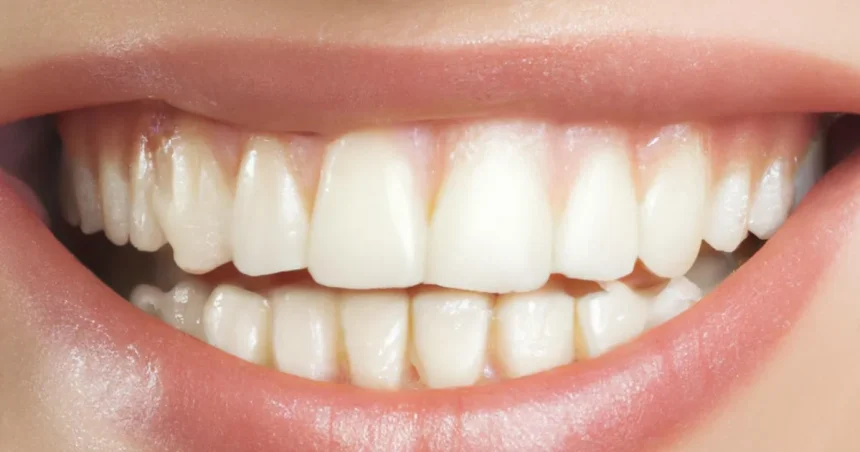
Unveiling the secrets to a dazzling, confidently radiant smile has never been more accessible, and today, we’re diving deep into the best methods for teeth whitening that truly work. For centuries, a bright smile has been a universal symbol of health, vitality, and attractiveness. Yet, life’s little pleasures – coffee, tea, red wine, and even aging itself – can dull our pearly whites, leaving many searching for effective solutions. This comprehensive guide cuts through the clutter, presenting scientifically backed and practically proven techniques to achieve a noticeably whiter smile, from quick at-home fixes to professional interventions. We’ll explore what makes certain methods stand out, delving into the science behind enamel discoloration and how different treatments combat it, empowering you to make informed decisions and embark on your journey to brighter teeth with confidence and clarity.
Professional In-Office Teeth Whitening: The Gold Standard
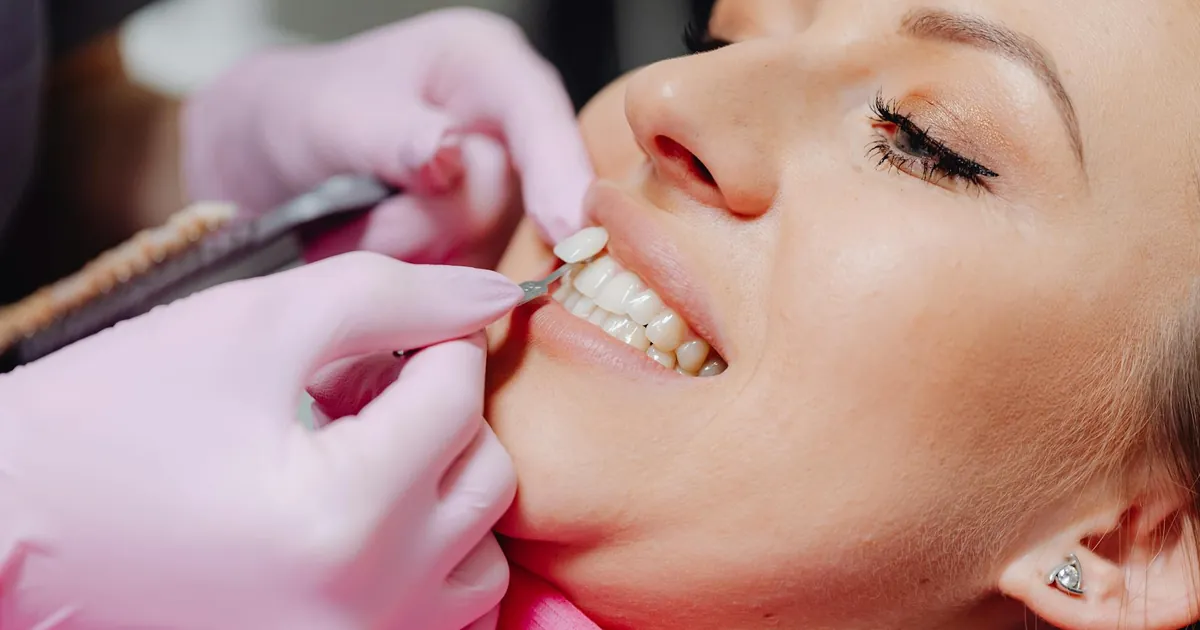
When seeking the most dramatic and rapid results for teeth whitening, professional in-office treatments performed by a dentist stand unrivaled. These procedures leverage highly concentrated bleaching agents, primarily hydrogen peroxide or carbamide peroxide, which work more powerfully and penetrate enamel faster than their over-the-counter counterparts. The dentist is equipped to manage these potent solutions, ensuring safety and efficacy. Before the treatment begins, your gums and soft tissues are meticulously protected with a barrier to prevent irritation or sensitivity. The whitening gel is then applied directly to the tooth surfaces, and often, a special light or laser is used to accelerate the chemical reaction, breaking down stubborn stains more effectively. This accelerated process typically takes about an hour or two, allowing patients to leave the dental chair with a significantly brighter smile. The immediate transformation is one of the biggest advantages, making it ideal for special occasions or for individuals who prefer immediate, visible changes. Furthermore, dentists can tailor the treatment strength and duration to your specific needs and sensitivity levels, offering a personalized approach that minimizes discomfort and maximizes the whitening outcome. The professional supervision ensures that any underlying dental issues are identified and addressed prior to whitening, preventing complications and ensuring the best possible results for your oral health.
Laser-Assisted Whitening
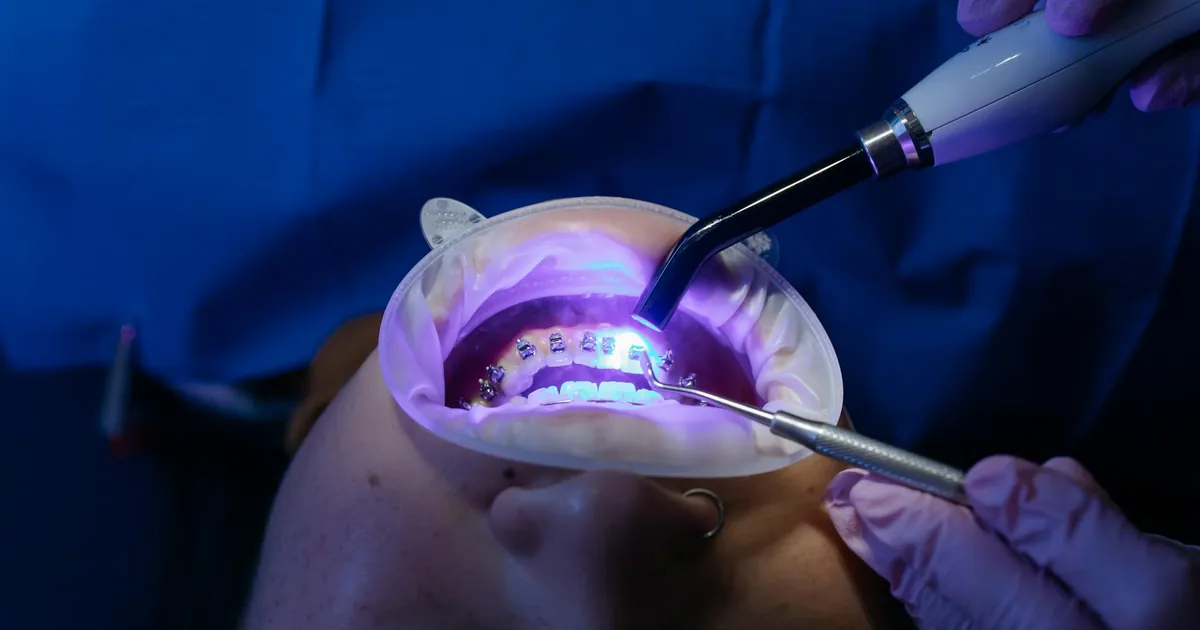
Laser-assisted teeth whitening is a variation of in-office treatments that utilizes a dental laser to activate the bleaching gel. This technology is believed to enhance the speed and intensity of the whitening process. The laser emits energy that generates heat, which then catalyzes the breakdown of stain molecules within the tooth enamel. While the exact efficacy compared to other light-activated systems is debated, many patients report impressive results and a faster overall treatment time. The dentist applies a protective barrier, then the whitening gel, followed by the precise application of the laser. This method allows for targeted treatment and can be particularly effective for deeper stains. It’s crucial to have this procedure done by a qualified dental professional to ensure the laser is used safely and appropriately, avoiding any potential damage to tooth structure or soft tissues.
At-Home Whitening Kits with Professional Guidance
For those who prefer a more gradual approach or find in-office treatments too intense, at-home whitening kits, when prescribed and monitored by a dentist, offer an excellent balance of effectiveness and convenience. These kits typically include custom-fitted mouth trays and lower-concentration bleaching gels. The advantage of custom trays is that they ensure the gel is distributed evenly across the tooth surfaces and prevents leakage onto the gums, significantly reducing the risk of irritation and hypersensitivity. Your dentist will take impressions of your teeth to create these perfectly fitting trays. They will also instruct you on the correct amount of gel to use and how long to wear the trays each day, often for a period of one to two weeks. This supervised approach allows the active ingredients to work over a longer duration, lifting stains progressively. It mimics the professional treatment in principle but at a gentler pace, making it suitable for a wider range of patients, including those with slightly more sensitive teeth. The gradual nature of the whitening can also lead to more stable and long-lasting results, as the enamel has more time to adapt. Remember, even with these kits, it’s vital to follow your dentist’s instructions to the letter to achieve optimal results and maintain the health of your oral tissues.
Over-the-Counter Whitening Products: What Actually Works
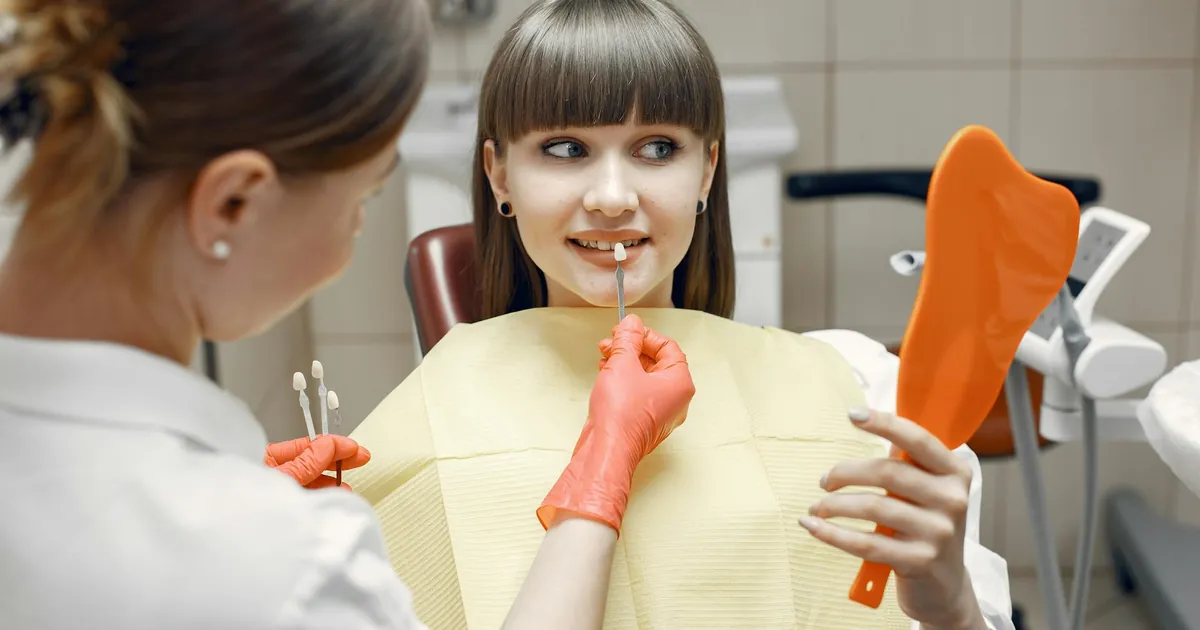
The market is flooded with over-the-counter (OTC) teeth whitening products, ranging from whitening toothpastes and rinses to strips and single-use trays. While they cannot match the potency of professional treatments, certain OTC options can yield noticeable improvements for mild to moderate discoloration, especially when used consistently as part of a good oral hygiene regimen. Whitening toothpastes primarily work by using mild abrasives to polish away surface stains and may contain low concentrations of polishing agents. They are effective for maintaining brightness after a professional treatment or for addressing superficial discoloration. Whitening rinses also contain low levels of peroxide, providing a very subtle brightening effect and helping to prevent new stains from forming. Whitening strips are arguably the most popular OTC choice, featuring thin, flexible strips coated with a peroxide-based gel. When applied correctly and used as directed, they can lift surface stains and provide a moderate whitening effect. It’s crucial to choose reputable brands and follow the instructions meticulously to avoid gum irritation or uneven whitening. For those interested in exploring gentler options, checking out natural ways to whiten teeth at home safely might offer alternatives for sensitive individuals seeking mild improvement.
Whitening Strips: Application and Expectations
Whitening strips offer a convenient and accessible way to brighten your smile at home. These are typically thin, flexible plastic strips coated with a peroxide-based whitening agent. To use them effectively, ensure your teeth are clean and dry. Carefully peel the strips from their backing and apply the adhesive side directly onto your teeth. The upper and lower jaws usually have separate strips. Press the strips firmly against the tooth surface, ensuring good contact and avoiding contact with the gums. For best results, follow the manufacturer’s recommended wear time, which can range from 30 minutes to an hour or more, depending on the product’s strength. After the recommended time, remove the strips and rinse your mouth to remove any residual gel. Many users experience a visible improvement in tooth shade after just a few applications, with more significant changes typically seen after completing the full course of treatment, which might last for 10-14 days. It’s important to manage expectations; these strips are most effective on surface stains and may not achieve the dramatic results of professional treatments. Also, individual results can vary based on the initial shade of your teeth and the types of stains present. Avoid eating or drinking during the application period. Following a thorough daily oral hygiene routine for healthy teeth alongside whitening strip use can enhance and prolong the results.
The Role of Diet and Lifestyle in Tooth Color
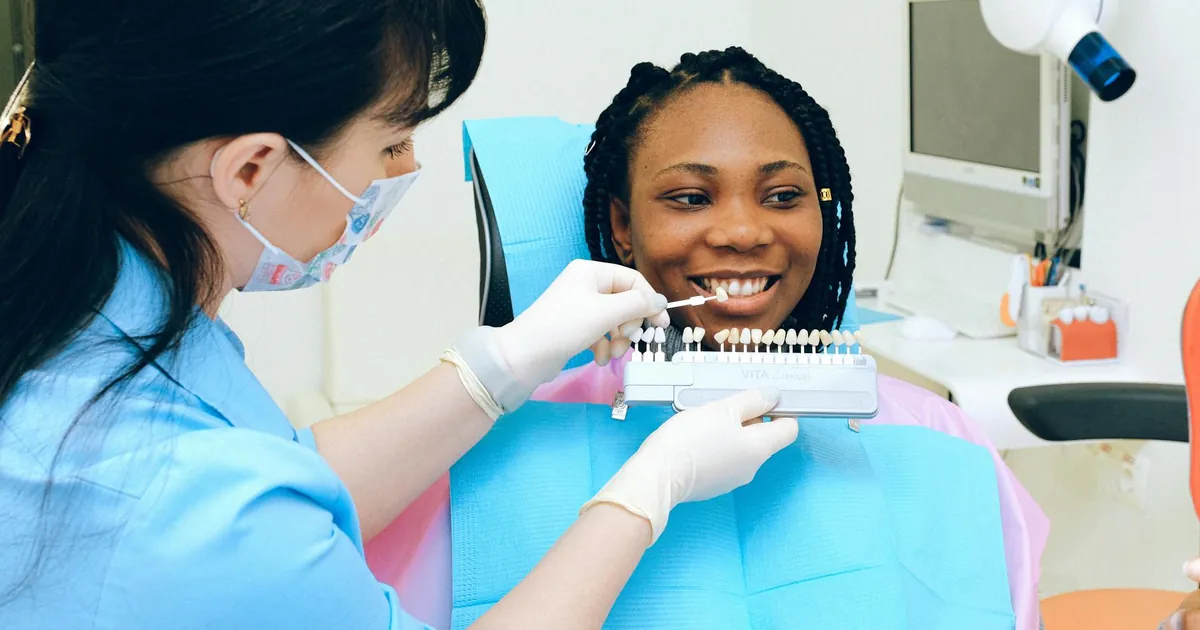
Beyond direct whitening treatments, your daily habits and dietary choices play a significant role in maintaining a bright smile and preventing future discoloration. Certain foods and beverages are notorious for staining tooth enamel due to their strong pigments and acidic nature. These include coffee, tea, red wine, dark berries, and tomato-based sauces. When you consume these items, pigments can adhere to the enamel, leading to yellowing or brown stains over time. To mitigate this, practicing good oral hygiene immediately after consumption can make a difference. Rinsing your mouth with water, or even brushing your teeth (if feasible and gentle), can help wash away or reduce the adherence of staining agents. Furthermore, smoking is another major culprit behind stubborn tooth discoloration. The tar and nicotine in tobacco products penetrate the enamel, causing deep yellow and brown stains that are notoriously difficult to remove. Quitting smoking not only improves your overall health but also significantly contributes to a brighter, whiter smile. Maintaining a balanced diet rich in fruits and vegetables, and choosing water over sugary or acidic beverages, can also support oral health and help prevent enamel erosion, which can make teeth appear darker. Understanding the link between what you consume and the color of your teeth is a key component of long-term smile brightness.
Understanding Enamel Discoloration: Intrinsic vs. Extrinsic Stains
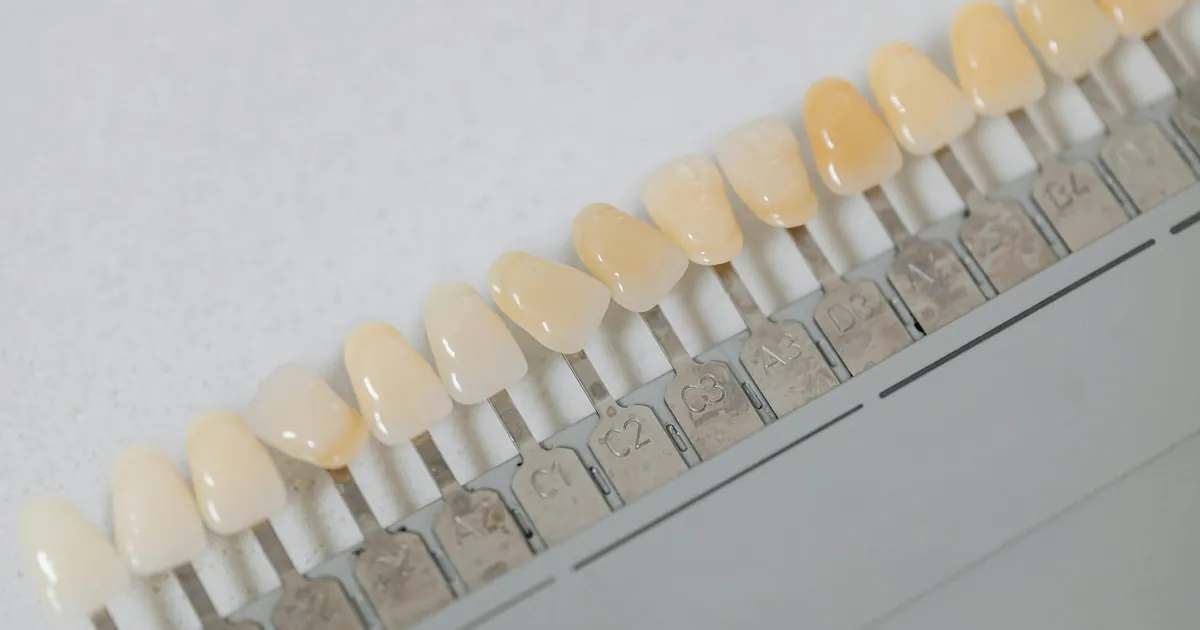
To effectively whiten your teeth, it’s helpful to understand the types of stains you’re dealing with: extrinsic and intrinsic. Extrinsic stains are those that develop on the outer surface of the enamel. They are typically caused by external factors like the consumption of dark-colored foods and beverages (coffee, tea, red wine, berries), smoking, and poor oral hygiene. These stains are generally easier to remove with surface-level treatments like whitening toothpastes, rinses, and most at-home whitening products. Extrinsic stains often respond well to the abrasive action of toothpastes or the chemical action of peroxide-based whiteners that break down the pigment molecules. In contrast, intrinsic stains originate from within the tooth structure itself. They can result from factors such as prolonged exposure to fluoride during tooth development (fluorosis), trauma to the tooth, certain medications (like tetracycline), the natural aging process where enamel thins and the underlying dentin becomes more visible, or even certain dental treatments. Intrinsic stains are much more challenging to whiten with conventional methods. Professional treatments, especially those involving higher concentrations of bleaching agents or techniques like dental bonding or veneers, are often required to effectively address these deeper discolorations. A dentist can accurately diagnose the type of stain you have and recommend the most suitable whitening approach.
Key Takeaways
- Professional in-office treatments offer the fastest and most dramatic whitening results.
- At-home kits with custom-fitted trays, guided by a dentist, provide a safe and effective gradual whitening option.
- Reputable OTC whitening strips and toothpastes can improve mild to moderate surface stains when used correctly.
- Understanding intrinsic versus extrinsic stains is crucial for selecting the appropriate whitening method.
- Dietary choices and lifestyle habits significantly impact tooth color; limit staining foods and avoid smoking.
- Consistent daily oral hygiene, including brushing and flossing, is fundamental for maintaining brightness.
“The pursuit of a brighter smile is a common desire, but it’s imperative to approach teeth whitening with informed choices. Consulting with a dental professional ensures not only the best aesthetic outcome but, more importantly, the preservation of your oral health. They can guide you to the most effective and safe methods tailored to your individual needs, differentiating between surface stains and deeper discoloration that might require specialized care.”
Frequently Asked Questions
What is the most effective method for teeth whitening?
The most effective method for teeth whitening generally refers to professional in-office treatments performed by a dentist. These procedures use higher concentrations of bleaching agents and advanced techniques, often with light activation, to achieve rapid and significant results. While at-home options can be effective, professional treatments typically yield the most dramatic improvements in tooth shade.
How long do teeth whitening results typically last?
The duration of teeth whitening results varies greatly depending on individual factors, including diet, lifestyle, and oral hygiene habits. Generally, results can last anywhere from six months to several years. Maintaining good oral hygiene, avoiding staining foods and drinks, and refraining from smoking are key to prolonging the brightness of your smile.
Can teeth whitening damage my enamel?
When performed correctly and under the supervision of a dental professional, teeth whitening is considered safe for tooth enamel. However, using overly strong products or using them too frequently without proper guidance can lead to temporary sensitivity or, in rare cases, enamel erosion. Dentists ensure protective measures are in place to minimize any risks.
How often can I have my teeth whitened?
The frequency of teeth whitening depends on the method used and your dentist’s recommendation. Professional in-office treatments might be done once or twice a year. For at-home kits, a course of treatment can be repeated as needed, but it’s best to allow your teeth to rest between sessions and consult your dentist for personalized advice on optimal timing.
Are there any side effects associated with teeth whitening?
The most common side effect of teeth whitening is temporary tooth sensitivity, often experienced as a tingling sensation or a sharp feeling when teeth are exposed to cold or hot. Gum irritation can also occur, especially with over-the-counter products or if the whitening gel contacts the soft tissues. These effects are usually mild and subside quickly after treatment completion or discontinuing use.
Achieving a whiter, more radiant smile is a journey many embark on, and with the array of effective methods available, it’s more attainable than ever. Whether you opt for the swift efficacy of professional in-office treatments, the gradual yet effective approach of dentist-supervised at-home kits, or carefully selected over-the-counter products, understanding the science behind discoloration and tailoring your choice to your specific needs is paramount. Remember that while whitening treatments are powerful tools, consistent daily oral care, mindful dietary choices, and a healthy lifestyle are the cornerstones of not only maintaining your dazzling results but also ensuring your smile remains healthy and vibrant for years to come. If you’re ready to brighten your smile, discuss your options with your dentist today to find the perfect path towards your most confident, radiant self.