


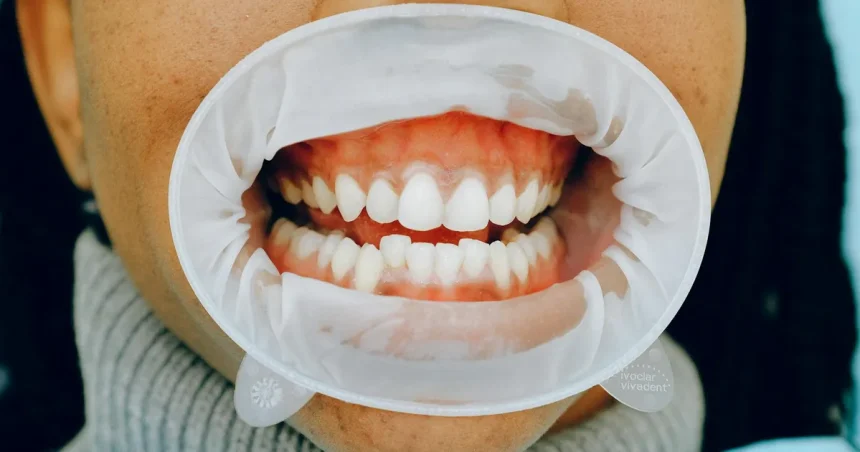
If you’ve noticed your gums bleeding while brushing, you’re not alone—this common issue affects millions of people worldwide. That pink tinge on your toothbrush or in the sink might seem harmless at first, but it’s often your mouth’s way of sounding an alarm. Bleeding gums aren’t just a nuisance; they can signal underlying problems ranging from poor oral hygiene to more serious health conditions. The good news? With the right knowledge and care, you can address the root cause and restore your gums to health. Let’s explore why this happens, what it means for your overall well-being, and how to stop the bleeding for good.
What Bleeding Gums While Brushing Really Means
Bleeding gums during brushing are typically a sign of inflammation, known as gingivitis. In just 40 words: Gingivitis is the early stage of gum disease caused by plaque buildup. It leads to red, swollen, and bleeding gums. If untreated, it can progress to periodontitis, a more severe condition that damages the bone supporting your teeth.
When plaque—a sticky film of bacteria—accumulates along your gumline, it irritates the delicate gum tissue. Over time, this irritation triggers an immune response, causing your gums to become inflamed and prone to bleeding. The irony? Brushing, which is meant to remove plaque, can sometimes aggravate already sensitive gums, making the bleeding more noticeable. This doesn’t mean you should stop brushing; instead, it’s a sign you need to adjust your technique or step up your oral care routine.
While gingivitis is the most common culprit, bleeding gums can also stem from other factors, such as hormonal changes, vitamin deficiencies, or even aggressive brushing. Understanding the specific cause is the first step toward finding an effective solution. For instance, if you’re pregnant, hormonal fluctuations can make your gums more susceptible to inflammation, a condition known as “pregnancy gingivitis.” Similarly, a lack of vitamin C or K can weaken your gums, making them more likely to bleed.
Common Causes of Bleeding Gums

Bleeding gums don’t happen in a vacuum—they’re usually the result of one or more underlying issues. Let’s break down the most common causes so you can identify what might be affecting you.
Poor Oral Hygiene Habits
Skipping brushing sessions or flossing infrequently allows plaque to harden into tartar, a rough substance that irritates your gums. Tartar can only be removed by a dental professional, so if you’ve been neglecting your oral care, it’s time to recommit. Even something as simple as brushing too quickly or using a toothbrush with hard bristles can contribute to gum damage. The American Dental Association recommends using a soft-bristled brush and gentle, circular motions to clean your teeth and gums effectively without causing trauma.
Diet and Nutritional Deficiencies
What you eat (or don’t eat) plays a significant role in gum health. A diet high in sugar and processed foods fuels plaque buildup, while a lack of essential nutrients weakens your gums. Vitamin C, for example, is crucial for collagen production, which keeps your gums strong. A deficiency can lead to scurvy, a condition characterized by bleeding gums and poor wound healing. Similarly, vitamin K helps with blood clotting, so low levels can make bleeding more likely. Incorporating foods like citrus fruits, leafy greens, and lean proteins can help fortify your gums from the inside out.
Other dietary factors, such as excessive alcohol consumption or smoking, can also compromise gum health. Alcohol dries out your mouth, reducing saliva production, which is essential for washing away food particles and bacteria. Smoking, on the other hand, restricts blood flow to the gums, making them more vulnerable to infection and slower to heal. If you’re a smoker, quitting can significantly improve your gum health and reduce bleeding.
How Brushing Technique Affects Your Gums
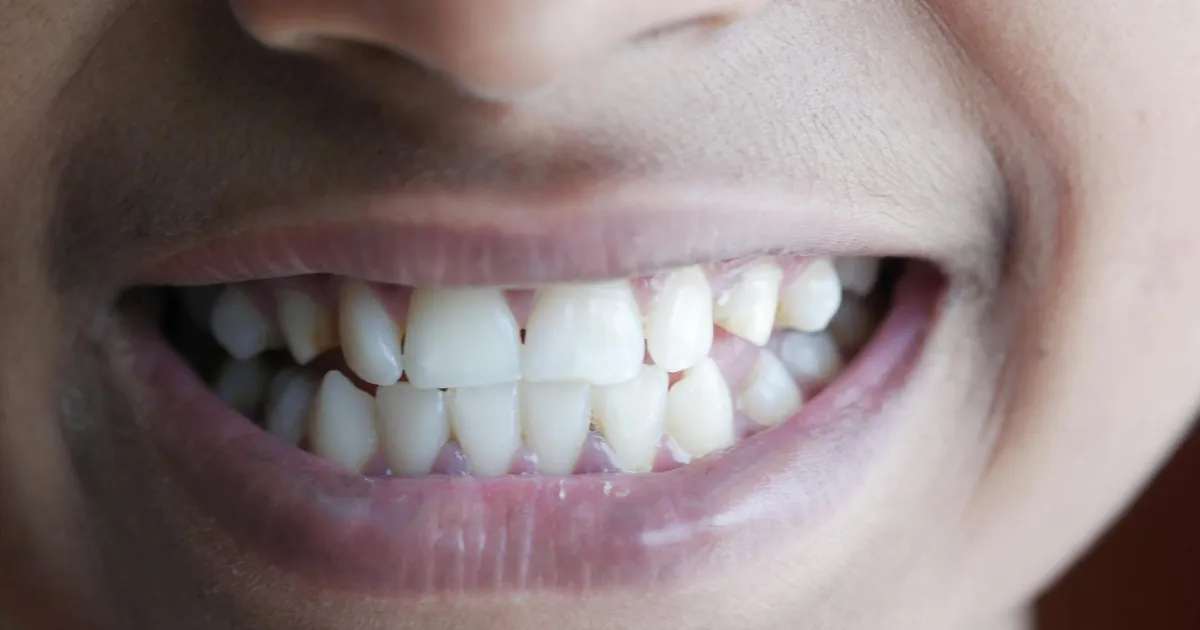
Believe it or not, the way you brush can make or break your gum health. Many people brush too hard, thinking they’re doing a better job, but this can actually damage your gums and cause them to recede. Over time, aggressive brushing wears down the enamel and irritates the gum tissue, leading to bleeding and sensitivity. The key is to use a gentle touch—think of massaging your gums rather than scrubbing them.
Another common mistake is using a toothbrush with bristles that are too stiff. Hard bristles can be abrasive, especially if you’re already dealing with inflamed gums. Switching to a soft-bristled brush can make a world of difference. Additionally, consider the angle of your brush: holding it at a 45-degree angle to your gums allows the bristles to clean along the gumline without causing trauma. If you’re unsure about your technique, ask your dentist or hygienist for a demonstration during your next visit.
Electric toothbrushes can also be a game-changer for those struggling with bleeding gums. Many models come with pressure sensors that alert you if you’re brushing too hard, and their oscillating or sonic movements can clean more effectively than manual brushing. If you’re using an electric toothbrush, let the brush do the work—you don’t need to press hard or scrub vigorously.
Medical Conditions Linked to Bleeding Gums
Sometimes, bleeding gums are a symptom of a larger health issue. Certain medical conditions can make your gums more prone to inflammation and bleeding, even if your oral hygiene is impeccable. For example, diabetes weakens your body’s ability to fight infections, including gum disease. High blood sugar levels also promote bacterial growth, increasing the risk of gingivitis and periodontitis. If you have diabetes, managing your blood sugar is crucial for maintaining healthy gums.
Blood Disorders and Medications

Blood disorders like leukemia or hemophilia can interfere with your body’s ability to clot, leading to excessive bleeding, including from the gums. Similarly, medications that thin the blood, such as aspirin or warfarin, can make bleeding more likely. If you’re taking these medications, it’s important to inform your dentist so they can tailor your treatment plan accordingly. They may recommend a gentler approach to cleaning or suggest alternative oral care products to minimize bleeding.
Hormonal Changes
Hormonal fluctuations during puberty, menstruation, pregnancy, or menopause can make your gums more sensitive and prone to bleeding. During pregnancy, for instance, increased levels of progesterone can enhance blood flow to the gums, making them more likely to swell and bleed. This is why pregnant women are often advised to pay extra attention to their oral hygiene and visit the dentist regularly. If you’re experiencing hormonal changes, be proactive about your gum care to prevent long-term damage.
When to See a Dentist About Bleeding Gums
While occasional bleeding might not be cause for alarm, persistent or severe bleeding warrants a visit to the dentist. If your gums bleed every time you brush or floss, or if they’re swollen, red, or painful, it’s time to seek professional help. These symptoms could indicate advanced gum disease, which, if left untreated, can lead to tooth loss and other serious health complications.
Your dentist can perform a thorough examination to determine the cause of your bleeding gums. They may take X-rays to check for bone loss or measure the depth of the pockets around your teeth, which can indicate the severity of gum disease. Based on their findings, they’ll recommend a treatment plan, which might include a professional cleaning, scaling and root planing (a deep cleaning procedure), or even antibiotic therapy to control infection.
It’s also worth noting that bleeding gums can sometimes be a sign of a more systemic issue, such as vitamin deficiencies or blood disorders. If your dentist suspects an underlying condition, they may refer you to a physician for further evaluation. Don’t ignore the warning signs—early intervention can save you from more extensive (and expensive) treatments down the road.
Natural Remedies to Stop Bleeding Gums

If you prefer a more holistic approach to gum care, several natural remedies can help reduce inflammation and stop bleeding. While these remedies can be effective, they’re not a substitute for professional dental care, especially if your symptoms persist. Think of them as complementary tools to support your oral health.
Saltwater Rinses
A simple saltwater rinse can work wonders for inflamed gums. Salt has natural antiseptic properties that help reduce bacteria and soothe irritation. To make a saltwater rinse, dissolve half a teaspoon of salt in a cup of warm water and swish it around your mouth for 30 seconds before spitting it out. Do this 2–3 times a day, especially after meals, to keep your gums clean and calm.
Herbal Mouthwashes
Herbs like aloe vera, chamomile, and sage have anti-inflammatory and antibacterial properties that can promote gum health. Aloe vera gel, for example, can be applied directly to your gums to reduce swelling and bleeding. Chamomile tea, when cooled, can be used as a mouthwash to soothe irritated gums. You can also find herbal mouthwashes at health food stores or make your own by steeping herbs in hot water, straining the liquid, and using it as a rinse.
Another popular remedy is oil pulling, an ancient Ayurvedic practice that involves swishing oil (like coconut or sesame oil) in your mouth for 10–15 minutes to remove bacteria. While research on oil pulling is limited, some studies suggest it can reduce plaque and gingivitis. If you’re curious, give it a try—just don’t swallow the oil, as it contains bacteria and toxins from your mouth.
Preventing Bleeding Gums for Good
Prevention is always better than cure, and the same holds true for bleeding gums. By adopting a few simple habits, you can keep your gums healthy and avoid the discomfort of bleeding. Start with the basics: brush twice a day with a soft-bristled toothbrush, floss daily to remove plaque between your teeth, and use an antimicrobial mouthwash to kill bacteria. These steps alone can significantly reduce your risk of gum disease.
Diet also plays a crucial role in prevention. Limit sugary and starchy foods, which feed the bacteria in your mouth, and opt for a balanced diet rich in vitamins and minerals. Staying hydrated is equally important, as saliva helps wash away food particles and bacteria. If you’re a smoker, quitting is one of the best things you can do for your gums (and your overall health). Smoking weakens your immune system, making it harder for your body to fight off gum infections.
Regular dental checkups are non-negotiable. Even if your gums aren’t bleeding, visiting your dentist every six months for a professional cleaning can catch early signs of gum disease before they become serious. If you’re prone to bleeding gums, your dentist may recommend more frequent cleanings or a specialized treatment plan. For more tips on maintaining oral health, check out this related article on tooth pain and relief strategies.
Key Takeaways
- Bleeding gums while brushing are often a sign of gingivitis, the early stage of gum disease caused by plaque buildup.
- Poor oral hygiene, aggressive brushing, and nutritional deficiencies are common causes of bleeding gums.
- Medical conditions like diabetes, blood disorders, and hormonal changes can increase your risk of gum inflammation and bleeding.
- Using a soft-bristled toothbrush and gentle brushing technique can prevent gum damage and reduce bleeding.
- Natural remedies like saltwater rinses and herbal mouthwashes can help soothe inflamed gums, but they’re not a substitute for professional care.
- Persistent bleeding gums warrant a visit to the dentist to rule out advanced gum disease or other health issues.
- Preventing bleeding gums involves good oral hygiene, a balanced diet, regular dental checkups, and avoiding smoking.
“Bleeding gums are your body’s way of telling you something isn’t right. Ignoring them can lead to more serious problems, like tooth loss or even systemic infections. The good news is that gum disease is preventable and treatable with the right care. Don’t wait until it’s too late—address the issue early and maintain a consistent oral hygiene routine.”
— Dr. Sarah Thompson, DDS, American Academy of Periodontology
Frequently Asked Questions
Why do my gums bleed only when I brush?
Bleeding during brushing usually indicates that your gums are inflamed due to plaque buildup. The mechanical action of brushing irritates the already sensitive gum tissue, causing it to bleed. This is often a sign of gingivitis, which can be reversed with improved oral hygiene and professional cleanings.
Can stress cause my gums to bleed?
Yes, stress can contribute to bleeding gums. When you’re stressed, your body produces more cortisol, a hormone that can weaken your immune system and make it harder for your gums to fight off infections. Stress can also lead to poor oral hygiene habits, like skipping brushing or flossing, which further exacerbates the problem.
Is it normal for gums to bleed during pregnancy?
Bleeding gums are common during pregnancy due to hormonal changes that increase blood flow to the gums, making them more sensitive and prone to inflammation. This condition, known as pregnancy gingivitis, usually resolves after childbirth. However, it’s important to maintain good oral hygiene and visit your dentist regularly to prevent complications.
What foods should I eat to strengthen my gums?
Foods rich in vitamin C (like oranges, strawberries, and bell peppers), vitamin K (like spinach and kale), and calcium (like dairy products and almonds) can help strengthen your gums. Crunchy fruits and vegetables, such as apples and carrots, also stimulate saliva production, which helps wash away bacteria. Avoid sugary and starchy foods, as they promote plaque buildup.
How long does it take for bleeding gums to heal?
The healing time for bleeding gums depends on the cause and severity of the issue. With improved oral hygiene, gingivitis can start to improve within a week or two. However, if the bleeding is due to advanced gum disease or an underlying medical condition, it may take longer to resolve. Consistent care and professional treatment are key to faster healing.
Can mouthwash help with bleeding gums?
An antimicrobial mouthwash can help reduce bacteria in your mouth and soothe inflamed gums. Look for mouthwashes containing ingredients like chlorhexidine or essential oils, which are effective against gingivitis. However, mouthwash should complement—not replace—brushing and flossing. If your gums continue to bleed, consult your dentist for a more targeted treatment plan.
Should I stop brushing if my gums bleed?
No, you should not stop brushing if your gums bleed. Bleeding is often a sign that your gums need more attention, not less. Instead, switch to a soft-bristled toothbrush and use gentle, circular motions to clean your teeth and gums. If the bleeding persists after a week of improved brushing, schedule a visit with your dentist to rule out more serious issues.
Bleeding gums might seem like a minor inconvenience, but they’re often a red flag for bigger problems. The good news is that with the right care, you can turn things around and enjoy a healthy, pain-free smile. Start by evaluating your oral hygiene habits, adjusting your diet, and scheduling a dental checkup if needed. Small changes today can prevent major issues tomorrow. For more insights on maintaining your oral health, explore this related article on tooth pain and relief strategies. Your gums—and your overall health—will thank you.