


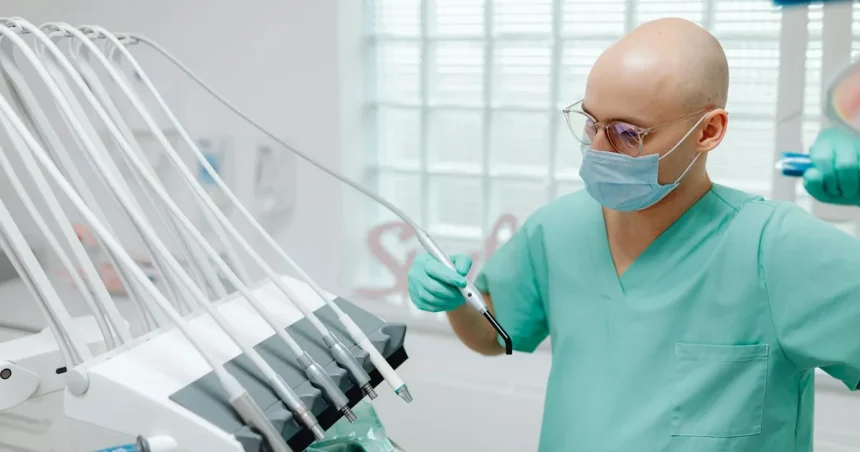
If you’ve ever wondered what actually happens during a dental cleaning session, you’re not alone. Many people feel a mix of curiosity and anxiety before sitting in that reclined chair, unsure of what the hygienist will find or how the process will feel. A professional dental cleaning—also called prophylaxis—is far more than just a quick polish of your teeth. It’s a thorough, preventive procedure designed to remove plaque, tartar, and stains while giving your dentist a chance to spot early signs of cavities, gum disease, or even oral cancer. Whether it’s your first time or you’re a seasoned pro, knowing what to expect can transform your experience from nerve-wracking to empowering. From the initial assessment to the final fluoride treatment, each step plays a crucial role in maintaining not just your oral health, but your overall well-being. Let’s walk through what really goes on during a dental cleaning session, so you can arrive prepared, relaxed, and ready to take charge of your smile.
What Is a Dental Cleaning? A 40-Word Definition
A dental cleaning is a professional procedure performed by a dental hygienist or dentist to remove plaque, tartar, and surface stains from teeth. It includes scaling, polishing, and often a fluoride treatment to prevent cavities and gum disease, while also allowing for early detection of oral health issues.
The Step-by-Step Process of a Dental Cleaning
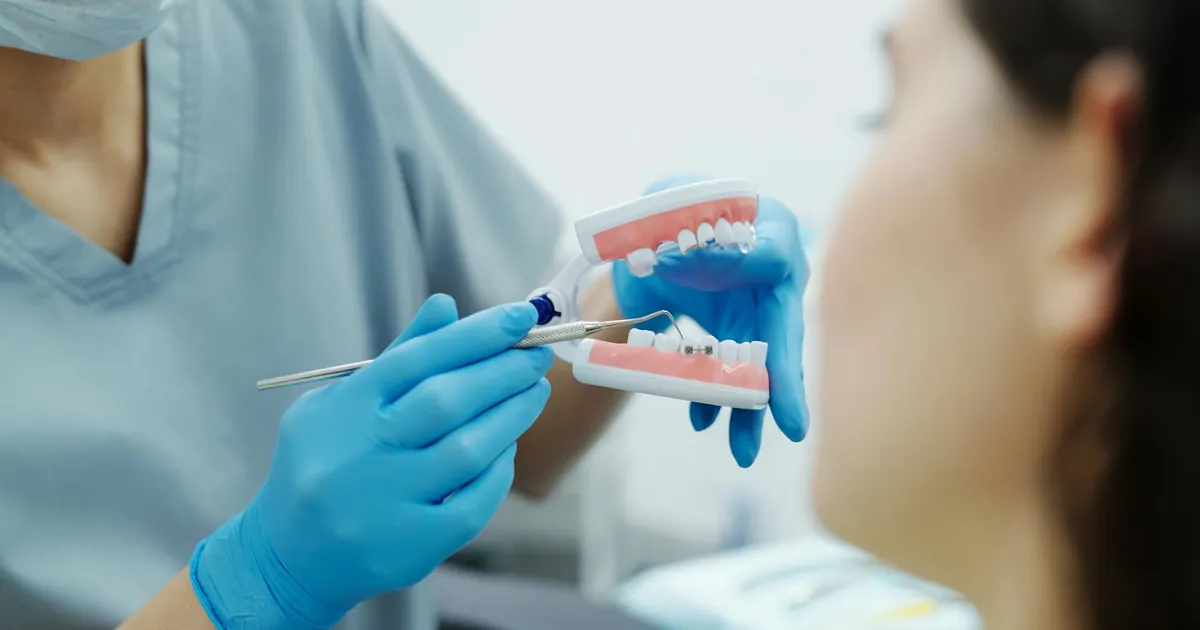
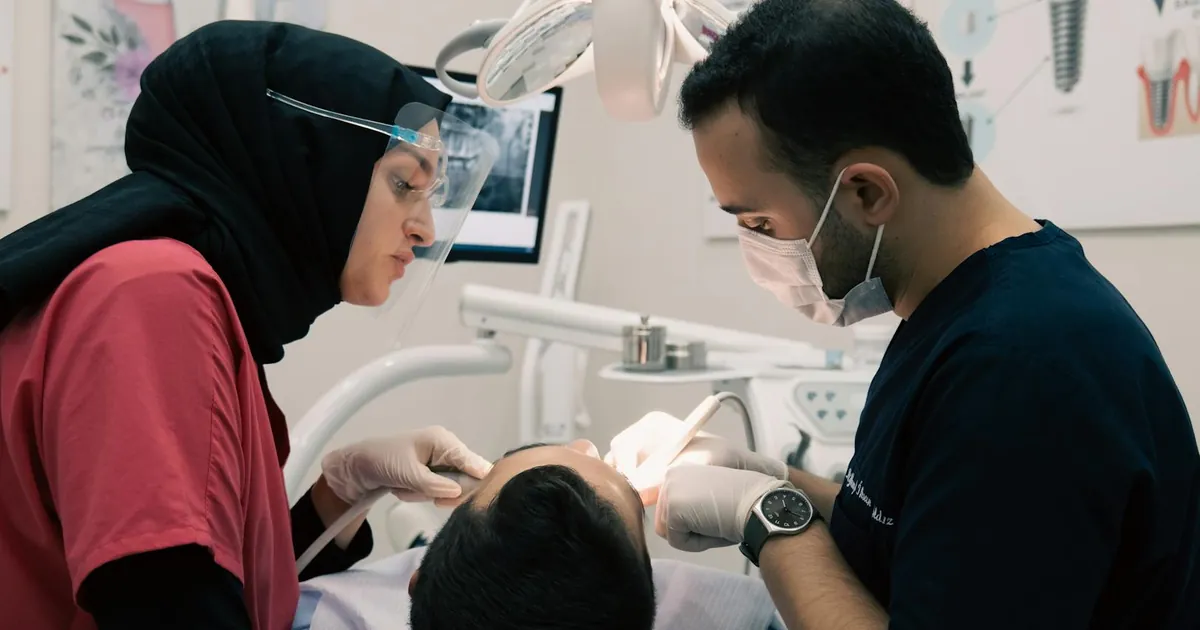
Walking into a dental office for a cleaning can feel like stepping into a well-oiled machine, where every tool and technique has a purpose. The process typically begins with a warm greeting and a quick update on your medical history—yes, even if you’ve been coming for years. Your hygienist will ask about any changes in your health, medications, or concerns since your last visit. This isn’t just small talk; it helps them tailor the cleaning to your needs, especially if you have conditions like diabetes or heart disease that can affect oral health.
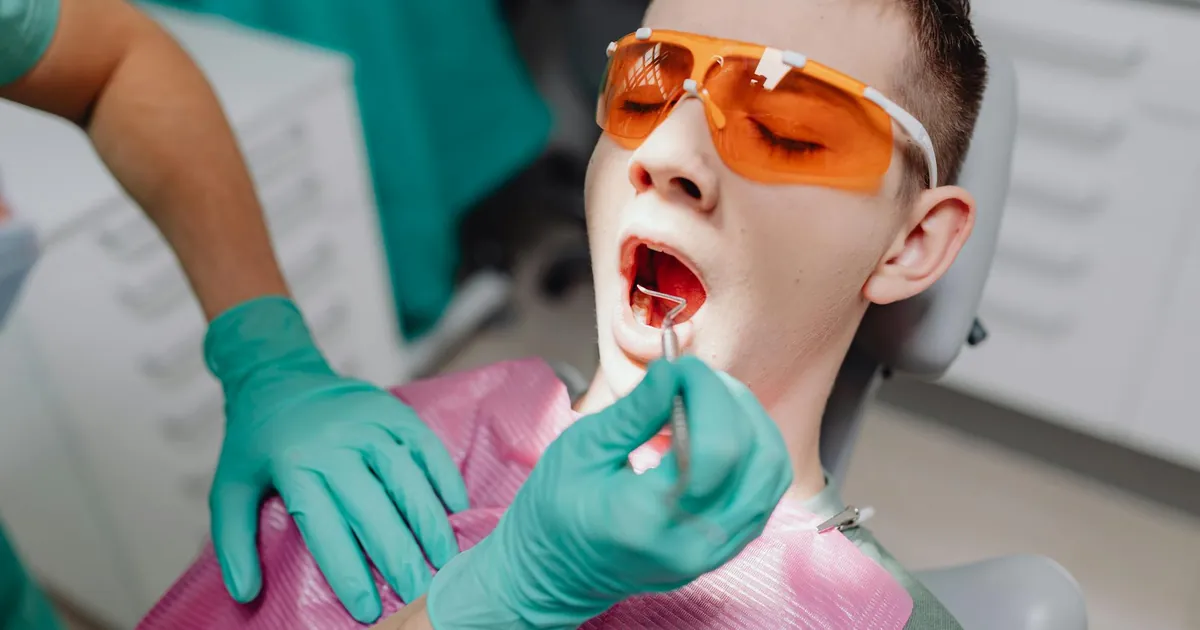
Once you’re settled in the chair, the hygienist will start with a visual examination of your mouth. Using a small mirror, they’ll check your teeth, gums, tongue, and the inside of your cheeks for any red flags like swelling, bleeding, or unusual spots. This is also when they’ll measure the depth of your gum pockets—a key indicator of gum health. If they notice anything concerning, they’ll flag it for the dentist to review later.
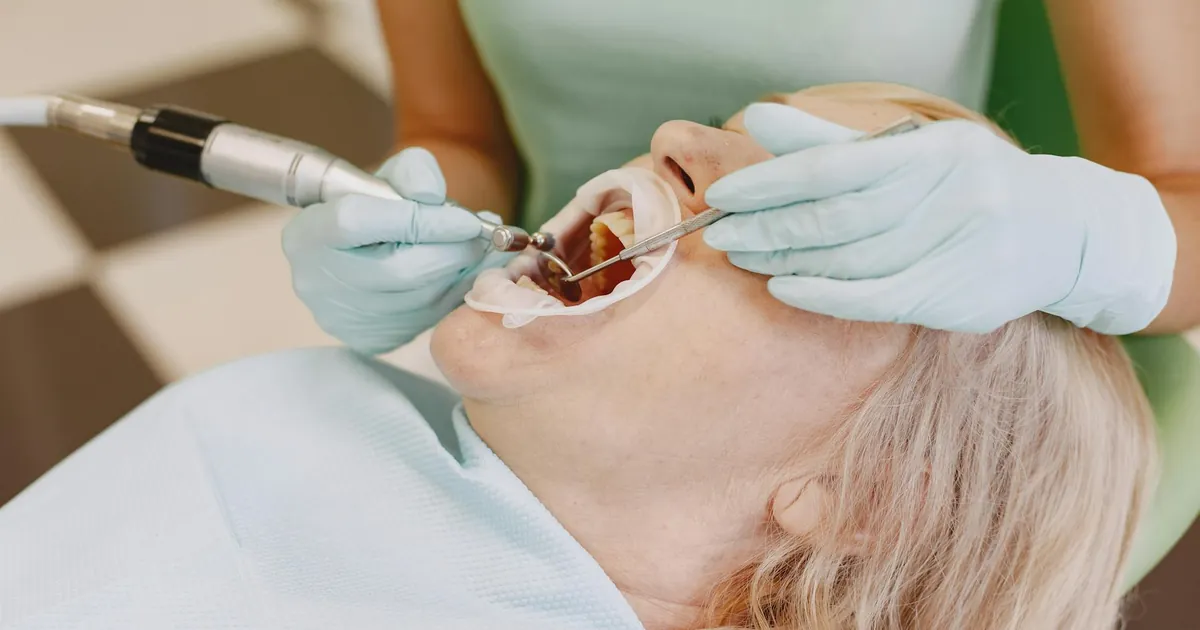
The real action begins with scaling, the process of removing plaque and tartar (hardened plaque) from your teeth. This is where many people’s anxiety spikes, but understanding the tools can ease your mind. Hygienists use either manual scalers (small, hook-like instruments) or ultrasonic scalers, which vibrate at high speeds and spray water to break up tartar. The latter might sound intimidating, but it’s actually gentler and more efficient, especially for stubborn buildup. You’ll hear some scraping sounds, but it shouldn’t hurt—unless you have sensitive gums or significant tartar, in which case the hygienist can adjust their technique or use a numbing gel.
Why Tartar Removal Matters More Than You Think
Tartar isn’t just an aesthetic issue; it’s a breeding ground for bacteria that can lead to gum disease, bad breath, and even tooth loss. Unlike plaque, which is soft and can be brushed away, tartar is hardened and can only be removed professionally. If left unchecked, it can cause your gums to pull away from your teeth, creating pockets where bacteria thrive. This is why regular cleanings are non-negotiable—even if you brush and floss diligently. Studies show that people who skip professional cleanings are twice as likely to develop gum disease, which has been linked to serious conditions like heart disease and diabetes.
What to Expect During the Scaling Process
The scaling process usually takes the longest part of your cleaning session, especially if you haven’t been to the dentist in a while. You might feel some pressure or mild discomfort, particularly if the tartar is deep below the gumline. The hygienist will work methodically, section by section, ensuring they don’t miss any spots. If you have sensitive teeth, let them know—they can use a desensitizing paste or adjust the water temperature to make it more comfortable. Some people also find that listening to music or focusing on their breathing helps distract from the sensations.
Polishing: The Satisfying Final Touch
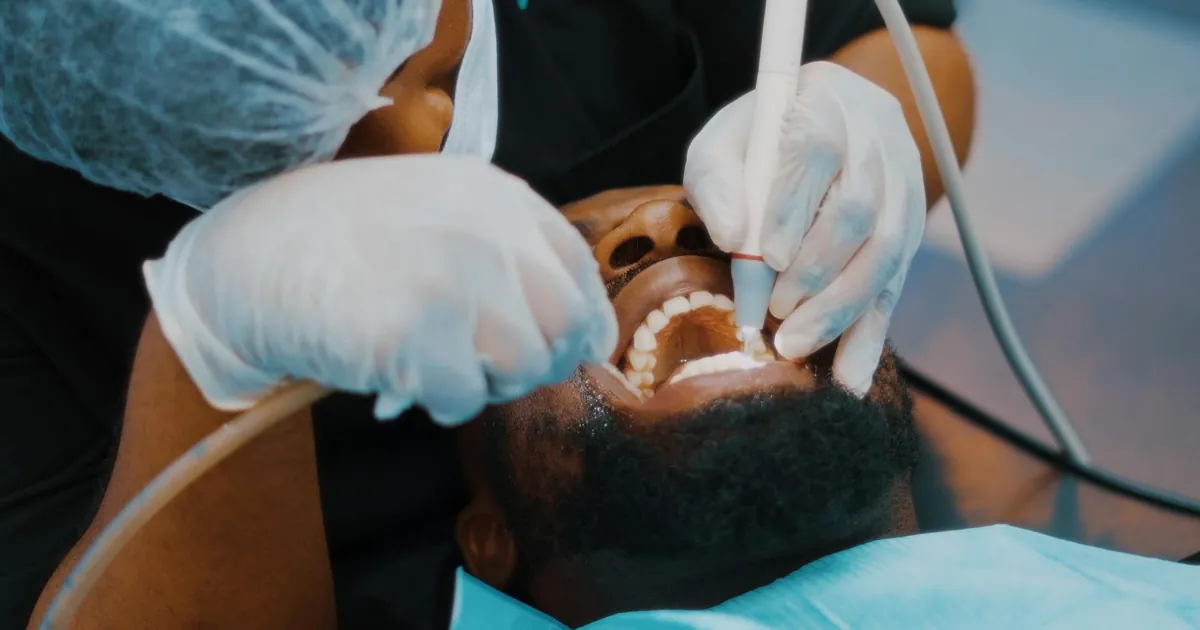
After scaling comes the part most people look forward to: polishing. This step involves using a handheld device with a soft rubber cup and a gritty, fluoride-infused paste to buff away surface stains and smooth your teeth. The paste comes in flavors like mint, bubblegum, or even chocolate, making the experience feel more like a spa treatment than a dental procedure. Polishing isn’t just for aesthetics—it also makes it harder for plaque to stick to your teeth afterward, giving you a head start on your oral hygiene routine.
While polishing is generally painless, you might feel a slight vibration or hear a whirring sound. The hygienist will work on one tooth at a time, applying gentle pressure to ensure every surface is covered. If you have crowns, veneers, or sensitive teeth, they’ll use a finer paste to avoid damaging restorations or causing discomfort. This is also a great time to ask for tips on keeping your teeth stain-free at home, especially if you’re a coffee, tea, or red wine lover.
Some offices offer air polishing as an alternative, which uses a jet of water, air, and fine powder to remove stains more efficiently. This method is particularly effective for smokers or people with heavy staining, but it’s not suitable for everyone—especially those with gum disease or exposed roots. Your hygienist will recommend the best option for your needs.
The Often-Overlooked Fluoride Treatment
Fluoride treatments are a standard part of most dental cleanings, yet many people skip them without realizing their benefits. This quick, painless step involves applying a concentrated fluoride gel, foam, or varnish to your teeth to strengthen enamel and prevent cavities. The fluoride seeps into your teeth, remineralizing weak spots and making them more resistant to acid attacks from bacteria. It’s especially important for children, but adults can benefit too—particularly if they’re prone to cavities, have dry mouth, or wear braces.
The application process takes just a few minutes. Your hygienist will place a tray filled with fluoride gel in your mouth or paint a varnish directly onto your teeth. You’ll be asked to avoid eating, drinking, or rinsing for at least 30 minutes afterward to let the fluoride do its job. Some people notice a slightly gritty or minty taste, but it’s harmless and fades quickly. If you’re concerned about fluoride, ask your dentist about alternatives like calcium phosphate treatments, which offer similar benefits without fluoride.
What Your Dentist Checks During the Exam
While the hygienist handles the cleaning, the dentist will step in for a final examination. This isn’t just a quick glance—they’ll review your X-rays (if taken), check for cavities, assess your bite, and look for signs of oral cancer, gum disease, or other issues. They’ll also evaluate any restorations like fillings or crowns to ensure they’re holding up well. This is your chance to ask questions or voice concerns, whether it’s about a persistent toothache, a chipped tooth, or even cosmetic treatments like whitening.
One of the most important parts of the exam is the oral cancer screening. The dentist will feel your jaw, neck, and lymph nodes for swelling or lumps, then use a special light or dye to check for abnormal tissue in your mouth. Oral cancer is highly treatable when caught early, which is why these screenings are a critical part of every cleaning. If they spot anything suspicious, they’ll refer you to a specialist for further testing.
Why X-Rays Are Sometimes Necessary
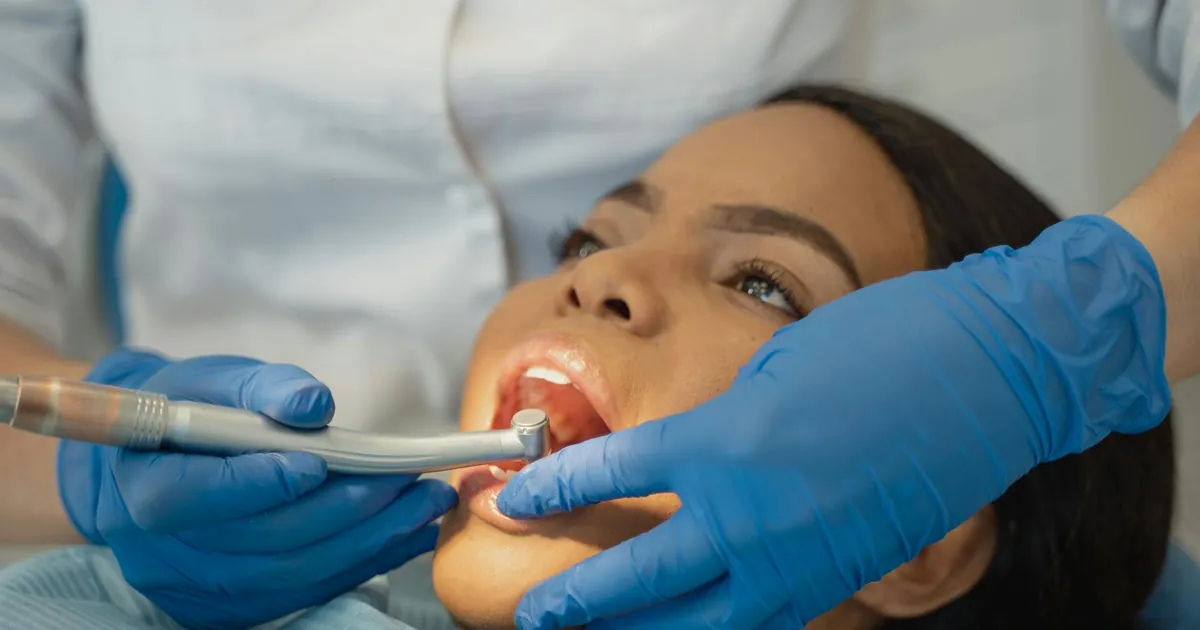
X-rays might seem like an unnecessary add-on, but they’re a vital tool for spotting problems that aren’t visible to the naked eye. Bitewing X-rays, for example, reveal cavities between teeth, while panoramic X-rays show the entire mouth, including wisdom teeth and jawbone health. The frequency of X-rays depends on your oral health—some people need them every six months, while others can go years between images. If you’re pregnant or have concerns about radiation, let your dentist know. They can use a lead apron or digital X-rays, which emit up to 90% less radiation than traditional film.
How to Make the Most of Your Dentist’s Visit
Your dentist’s exam is a golden opportunity to get personalized advice, so come prepared. Write down any questions or symptoms you’ve noticed, like sensitivity to hot or cold, bleeding gums, or jaw pain. If you’re interested in cosmetic treatments, ask about options like veneers or Invisalign. And don’t be afraid to discuss your oral hygiene routine—your dentist can recommend products or techniques to improve your at-home care. For example, if you struggle with flossing, they might suggest a water flosser or interdental brushes.
Common Myths About Dental Cleanings Debunked
Dental cleanings are surrounded by myths that can deter people from scheduling them. One of the most persistent is the idea that cleanings are painful. While some discomfort is possible—especially if you have sensitive gums or heavy tartar—most people find the process tolerable, if not entirely painless. Modern tools and techniques have made cleanings far more comfortable than they were decades ago. If you’re anxious, talk to your hygienist about options like nitrous oxide (laughing gas) or a numbing gel.
Another myth is that cleanings damage your enamel. In reality, professional cleanings are designed to protect your enamel by removing harmful buildup. The polishing step might feel abrasive, but it’s carefully calibrated to avoid erosion. However, overzealous brushing at home—especially with a hard-bristled toothbrush—can wear down enamel over time. Your hygienist can show you the proper technique to keep your teeth clean without causing damage.
Some people also believe that if their teeth feel fine, they don’t need a cleaning. But oral health issues like gum disease and cavities often develop silently, without pain or visible symptoms. By the time you notice something’s wrong, the problem may have progressed to the point where it’s harder and more expensive to treat. Regular cleanings are a proactive way to catch issues early and avoid costly procedures down the road.
How to Prepare for Your Dental Cleaning
Preparing for a dental cleaning starts long before you sit in the chair. First, make sure you’ve scheduled your appointment at a time when you’re not rushed or stressed. Morning cleanings are ideal for many people because they’re fresh and alert, but choose a time that works best for you. If you’re prone to anxiety, consider bringing headphones to listen to calming music or a podcast during the procedure.
On the day of your appointment, eat a light meal beforehand—especially if you’re someone who gets lightheaded easily. Avoid coffee or sugary drinks, as they can make your mouth feel dry and more sensitive. Brush and floss your teeth before you arrive, but don’t go overboard. Over-brushing can irritate your gums, making the cleaning more uncomfortable. If you have dental anxiety, let the office know when you book your appointment. Many practices offer amenities like weighted blankets, aromatherapy, or even sedation options to help you relax.
Finally, bring a list of any medications you’re taking, including supplements. Some drugs, like blood thinners or bisphosphonates (used to treat osteoporosis), can affect your dental treatment. Your hygienist will also want to know if you’ve had any recent surgeries or illnesses, as these can impact your oral health. The more information you provide, the better they can tailor the cleaning to your needs.
Key Takeaways
- A dental cleaning is a preventive procedure that removes plaque, tartar, and stains while allowing for early detection of oral health issues.
- The process includes a visual exam, scaling (tartar removal), polishing, and often a fluoride treatment to strengthen enamel.
- Scaling is the most thorough part of the cleaning and is essential for preventing gum disease and cavities.
- Polishing smooths your teeth and removes surface stains, making it harder for plaque to stick afterward.
- Fluoride treatments help remineralize teeth and prevent cavities, especially for those at higher risk.
- Your dentist’s exam includes checking for cavities, gum disease, oral cancer, and the condition of any restorations.
- X-rays are sometimes necessary to spot hidden issues like cavities between teeth or problems with wisdom teeth.
- Common myths—like cleanings being painful or damaging enamel—are largely untrue with modern techniques.
- Preparing for your cleaning by eating lightly, avoiding caffeine, and bringing a list of medications can make the experience smoother.
“Regular dental cleanings are the cornerstone of preventive oral health. They’re not just about keeping your teeth white—they’re about catching problems early, when they’re easiest to treat. Many people don’t realize that gum disease is linked to systemic conditions like heart disease and diabetes. By maintaining a consistent cleaning schedule, you’re not just protecting your smile; you’re investing in your overall health.”
—Dr. Maria Lopez, DDS, spokesperson for the American Dental Association
Frequently Asked Questions
How often should I get a dental cleaning?
Most dentists recommend getting a professional cleaning every six months, but the ideal frequency depends on your oral health. If you have gum disease, a history of cavities, or conditions like diabetes, your dentist might suggest cleanings every three to four months. On the other hand, if your teeth and gums are in excellent shape, you might be able to stretch it to once a year. The key is to follow your dentist’s personalized recommendation—skipping cleanings can lead to tartar buildup, which increases your risk of cavities and gum disease.
Does dental cleaning hurt?
Dental cleanings are generally not painful, but the experience varies depending on your oral health. If you have sensitive gums, heavy tartar buildup, or gum disease, you might feel some discomfort during scaling. However, hygienists are trained to work gently and can adjust their technique or use numbing gel if needed. Polishing and fluoride treatments are typically painless. If you’re anxious about pain, talk to your hygienist beforehand—they can walk you through the process and offer solutions like nitrous oxide to help you relax.
Why do my teeth feel rough after a cleaning?
It’s normal for your teeth to feel slightly rough or uneven after a cleaning, especially if you had significant tartar buildup. This sensation usually fades within a day or two as your saliva naturally smooths out the surfaces. If the roughness persists, it could be a sign that your enamel is wearing thin or that you’re brushing too hard at home. Your hygienist can recommend a desensitizing toothpaste or show you a gentler brushing technique to protect your enamel.
Can I eat after a dental cleaning?
You can eat after a dental cleaning, but it’s best to wait at least 30 minutes if you received a fluoride treatment. This gives the fluoride time to fully absorb into your teeth. Avoid hot, cold, or acidic foods and drinks for a few hours, as your teeth might be temporarily sensitive. Stick to soft, lukewarm foods like yogurt, soup, or mashed potatoes. If you had a numbing agent, wait until the numbness wears off to avoid accidentally biting your cheek or tongue.
What’s the difference between a regular cleaning and a deep cleaning?
A regular cleaning (prophylaxis) focuses on removing plaque and tartar from above the gumline and is recommended for people with healthy gums. A deep cleaning, or scaling and root planing, is a more intensive procedure for those with gum disease. It involves cleaning below the gumline to remove tartar from the roots of your teeth and smoothing the root surfaces to help gums reattach. Deep cleanings are usually done in two or more visits and may require local anesthesia. Your dentist will recommend a deep cleaning if they detect gum pockets deeper than 4 millimeters.
How long does a dental cleaning take?
A standard dental cleaning typically takes 30 to 60 minutes, depending on the condition of your teeth and gums. If you have heavy tartar buildup, gum disease, or haven’t had a cleaning in a while, the appointment might take longer. The hygienist will also spend extra time if you need X-rays, a fluoride treatment, or a more thorough exam. If you’re short on time, let the office know when you book your appointment—they can often schedule a shorter visit or break the cleaning into two sessions.
Is dental cleaning covered by insurance?
Most dental insurance plans cover two cleanings per year as part of preventive care, but coverage varies by provider and plan. Some plans may cover additional cleanings if you have gum disease or other risk factors. It’s always a good idea to check with your insurance company before your appointment to understand your benefits. If you don’t have insurance, many dental offices offer payment plans or discounts for uninsured patients. Some community health clinics also provide low-cost cleanings for those who qualify.
Leaving the dentist’s office with a freshly cleaned smile is one of life’s small but satisfying pleasures. More than just a cosmetic boost, a dental cleaning is your first line of defense against cavities, gum disease, and other oral health issues that can impact your overall well-being. By understanding what to expect—from the initial exam to the final fluoride treatment—you can approach your next appointment with confidence, not anxiety. Remember, your dental team is there to support you, answer your questions, and help you maintain a healthy smile for years to come. So go ahead, book that cleaning you’ve been putting off. Your future self (and your teeth) will thank you.