


Understanding the cost and benefits of common dental treatments can feel like navigating a maze—especially when you’re trying to balance your budget with your oral health. Whether you’re considering a routine cleaning, a cavity filling, or something more complex like dental implants, knowing what to expect financially and how each procedure impacts your long-term well-being is crucial. Many people delay or skip treatments due to cost concerns, only to face more expensive problems down the road. This guide breaks down the real value behind popular dental procedures, helping you make informed decisions without the guesswork. From preventive care to restorative solutions, we’ll explore how each treatment stacks up in terms of upfront costs, long-term savings, and overall health benefits.
What Are the Costs and Benefits of Dental Treatments?
When evaluating dental treatments, it’s essential to look beyond the price tag and consider the broader impact on your health, finances, and quality of life. The cost and benefits of common dental treatments vary widely depending on the procedure’s complexity, materials used, and whether it’s preventive, restorative, or cosmetic. For example, a routine dental cleaning might cost $100–$200, but it can prevent gum disease and cavities that could lead to thousands in future treatments. On the other hand, a dental crown may run $800–$1,500, but it can save a damaged tooth from extraction and preserve your natural bite. The key is to weigh immediate expenses against long-term savings and health outcomes.
Preventive treatments like fluoride applications or sealants are often the most cost-effective because they stop problems before they start. Restorative procedures, such as fillings or root canals, address existing issues and can be more expensive but are necessary to avoid further damage. Cosmetic treatments, like teeth whitening or veneers, focus on aesthetics and may not be covered by insurance, but they can boost confidence and self-esteem. Understanding these distinctions helps you prioritize treatments based on your needs and budget.
The Financial and Health Impact of Preventive Dental Care

Preventive dental care is the cornerstone of maintaining a healthy smile without breaking the bank. Regular check-ups, cleanings, and X-rays might seem like minor expenses, but they play a massive role in catching issues early—before they escalate into costly emergencies. For instance, a dental cleaning session typically costs between $75 and $200, depending on your location and insurance coverage. However, skipping these appointments can lead to plaque buildup, gum disease, or cavities, which may require fillings, root canals, or even extractions—procedures that can cost hundreds or thousands of dollars.
Beyond the financial savings, preventive care has significant health benefits. Gum disease, for example, has been linked to heart disease, diabetes, and other systemic conditions. By investing in routine cleanings and exams, you’re not just protecting your teeth; you’re safeguarding your overall health. Many dental insurance plans cover preventive care at 100%, making it one of the most accessible and impactful treatments available. For those without insurance, dental schools or community clinics often offer low-cost or sliding-scale services, ensuring that preventive care remains within reach.
How Fluoride Treatments Save Money Long-Term
Fluoride treatments are a simple yet powerful tool in preventive dentistry. Applied as a gel, foam, or varnish during a dental visit, fluoride strengthens tooth enamel and makes it more resistant to decay. The cost is minimal—usually $20–$50 per treatment—but the benefits are substantial. Studies show that fluoride can reduce cavities by up to 40%, which translates to fewer fillings, crowns, or other restorative work down the line. For children, fluoride treatments are especially valuable, as they help protect developing teeth from decay.
Adults can also benefit, particularly those with a history of cavities, dry mouth, or gum recession. While fluoride is found in most toothpastes and public water supplies, professional treatments provide a concentrated dose that’s far more effective. If you’re prone to cavities, investing in fluoride treatments every six months could save you hundreds in future dental bills. It’s a small upfront cost with a big payoff in long-term oral health.
The Role of Dental Sealants in Preventing Cavities
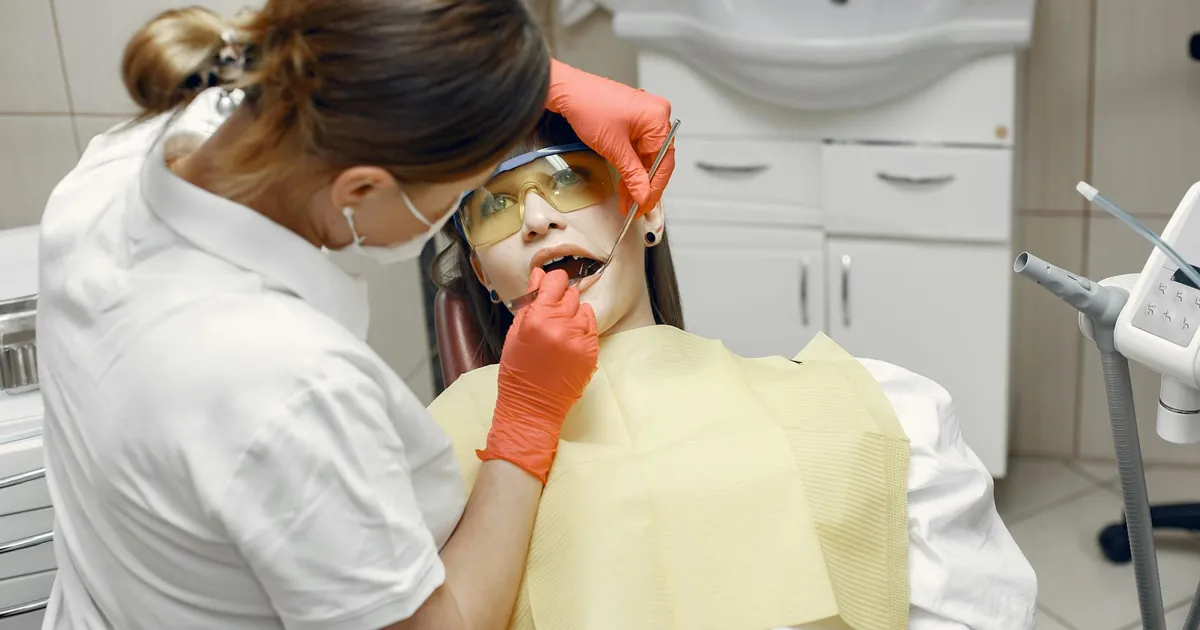
Dental sealants are another preventive measure that offers excellent value for money. These thin, protective coatings are applied to the chewing surfaces of molars, where cavities are most likely to form. Sealants act as a barrier against food particles and bacteria, reducing the risk of decay by up to 80%. The procedure is quick, painless, and costs around $30–$60 per tooth—far less than the $150–$300 you’d spend on a filling.
Sealants are most commonly recommended for children and teenagers, as their newly erupted permanent teeth are particularly vulnerable to cavities. However, adults with deep grooves in their molars or a history of decay can also benefit. The application process takes just a few minutes, and sealants can last up to 10 years with proper care. When you consider that a single cavity can lead to more extensive (and expensive) treatments like root canals or crowns, sealants are a smart investment in your oral health.
Restorative Treatments: Balancing Cost and Necessity
Restorative dental treatments are designed to repair damage caused by decay, trauma, or wear and tear. Unlike preventive care, these procedures are often unavoidable once a problem arises, making them a critical part of maintaining your oral health. The cost and benefits of common dental treatments in this category vary widely, but the goal is always the same: to restore function, prevent further damage, and preserve your natural teeth for as long as possible.
Fillings are the most common restorative treatment, used to repair cavities caused by tooth decay. The cost depends on the material used—amalgam (silver) fillings are the most affordable at $50–$150 per filling, while composite (tooth-colored) fillings range from $90–$250. While amalgam fillings are durable and cost-effective, composite fillings blend seamlessly with your natural teeth, making them a popular choice for visible areas. The benefits of fillings go beyond aesthetics; they stop decay in its tracks and prevent the need for more invasive procedures like root canals or extractions.
Root Canals: A Costly but Tooth-Saving Procedure

Root canals are often feared due to their reputation for being painful and expensive, but they’re one of the most effective ways to save a severely infected or damaged tooth. The procedure involves removing the infected pulp inside the tooth, cleaning and sealing the root canals, and then restoring the tooth with a crown. The cost of a root canal ranges from $500 to $1,500, depending on the tooth’s location and complexity. While this may seem steep, it’s far less expensive than the alternative: extracting the tooth and replacing it with a dental implant or bridge, which can cost $3,000–$6,000 or more.
The benefits of a root canal extend beyond cost savings. Preserving your natural tooth helps maintain your bite, prevents adjacent teeth from shifting, and avoids the bone loss that can occur with tooth extraction. Modern techniques and anesthesia make root canals no more uncomfortable than getting a filling, and the procedure has a success rate of over 95%. If you’re facing a root canal, it’s worth considering the long-term value of keeping your natural tooth rather than opting for extraction.
Dental Crowns: When Are They Worth the Investment?
Dental crowns are custom-made caps that cover a damaged or weakened tooth, restoring its strength, shape, and appearance. They’re commonly used after a root canal, to repair a cracked tooth, or to cover a large filling. The cost of a crown varies widely depending on the material—porcelain-fused-to-metal crowns range from $800 to $1,500, while all-ceramic or zirconia crowns can cost $1,000–$2,500. While crowns are a significant investment, they’re often the best way to save a tooth that would otherwise need to be extracted.
The benefits of dental crowns go beyond functionality. They can dramatically improve the appearance of a discolored or misshapen tooth, boosting your confidence and self-esteem. Crowns also protect the underlying tooth from further damage, reducing the risk of future dental problems. If you’re considering a crown, it’s important to weigh the upfront cost against the long-term benefits of preserving your natural tooth. In many cases, a crown is a worthwhile investment that can last 10–15 years or more with proper care.
Cosmetic Dentistry: Weighing Aesthetics Against Cost
Cosmetic dentistry focuses on improving the appearance of your teeth, gums, and smile. While these treatments aren’t always medically necessary, they can have a profound impact on your confidence, social interactions, and even professional opportunities. The cost and benefits of common dental treatments in this category are often subjective, as they depend on your personal goals and priorities. However, it’s important to consider both the financial investment and the potential long-term benefits before committing to a cosmetic procedure.
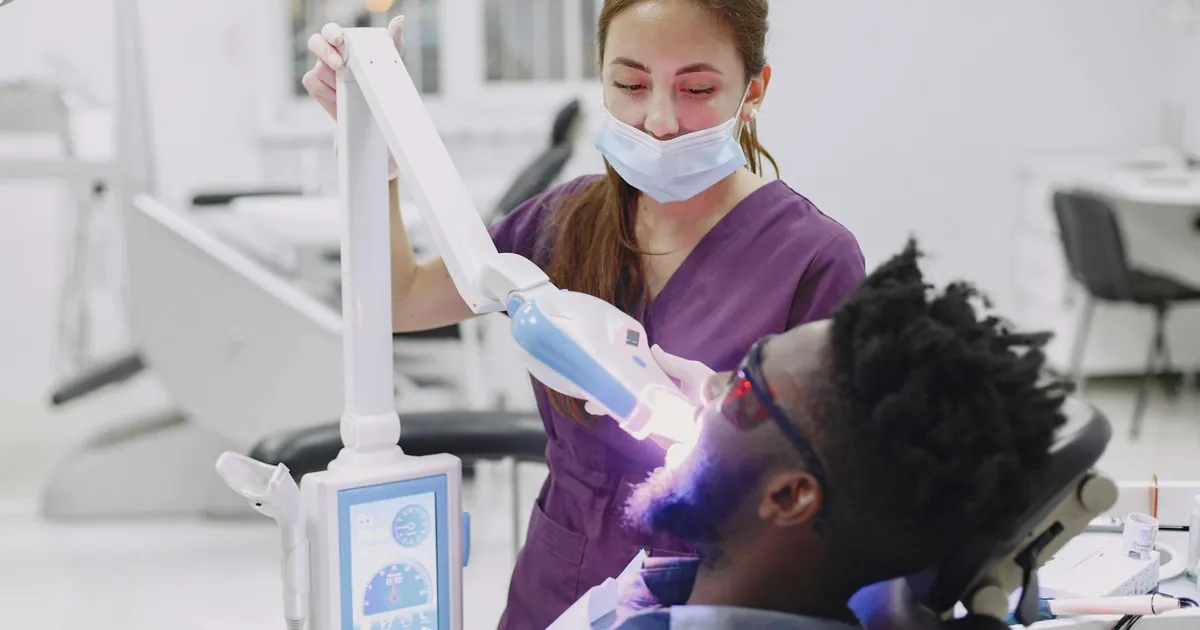
Teeth whitening is one of the most popular cosmetic treatments, offering a quick and relatively affordable way to brighten your smile. Professional whitening treatments at a dental office cost $300–$800, while at-home kits range from $20–$200. The results can last anywhere from a few months to a few years, depending on your habits and maintenance. While whitening doesn’t address structural issues, it can make a dramatic difference in your appearance, especially if you have stubborn stains from coffee, tea, or smoking. For those looking for a fast and noticeable improvement, whitening is often worth the investment.
Veneers: A High-End Solution for a Perfect Smile
Dental veneers are thin, custom-made shells that cover the front surface of your teeth, correcting issues like discoloration, chips, gaps, or misalignment. They’re one of the most expensive cosmetic treatments, with costs ranging from $900 to $2,500 per tooth. However, veneers offer a long-lasting and natural-looking solution for those seeking a flawless smile. Made from porcelain or composite resin, veneers are stain-resistant and can last 10–15 years with proper care.
The benefits of veneers extend beyond aesthetics. They can also improve the function of your teeth by correcting minor alignment issues or protecting damaged enamel. However, the procedure is irreversible, as a small amount of enamel must be removed to place the veneers. If you’re considering veneers, it’s important to weigh the cost against the potential impact on your confidence and quality of life. For many people, the investment is well worth it, as veneers can transform not just your smile, but your entire self-image.
Orthodontic Treatments: Braces vs. Aligners
Orthodontic treatments like braces and clear aligners are designed to correct misaligned teeth and bite issues, improving both function and appearance. Traditional metal braces cost $3,000–$7,000, while ceramic braces or lingual braces (placed behind the teeth) can run $4,000–$8,000. Clear aligners, such as Invisalign, typically cost $3,500–$8,000, depending on the complexity of the case. While orthodontic treatments are a significant investment, they offer long-term benefits that go beyond a straighter smile.
Misaligned teeth can lead to a host of problems, including difficulty chewing, speech issues, and an increased risk of tooth decay and gum disease. By correcting these issues, orthodontic treatments can improve your oral health and reduce the need for future dental work. Additionally, a straighter smile can boost your confidence and self-esteem, making it a worthwhile investment for many people. If you’re deciding between braces and aligners, it’s important to consider factors like cost, convenience, and the severity of your alignment issues. For a detailed comparison, check out this guide on braces vs. aligners.
Key Takeaways
- Preventive dental care, like cleanings and fluoride treatments, is the most cost-effective way to maintain oral health and avoid expensive restorative procedures.
- Restorative treatments, such as fillings, root canals, and crowns, are necessary to repair damage and preserve your natural teeth, often saving money in the long run.
- Cosmetic treatments, like teeth whitening and veneers, can boost confidence but require careful consideration of cost and long-term benefits.
- Orthodontic treatments, including braces and aligners, improve both function and appearance, reducing the risk of future dental problems.
- Investing in dental treatments early can prevent more serious (and costly) issues down the road, making them a smart financial decision.
- Dental insurance can significantly reduce out-of-pocket costs, especially for preventive and restorative care, so it’s worth exploring your coverage options.
- Always consult with your dentist to prioritize treatments based on your oral health needs and budget, ensuring you get the best value for your investment.
Expert Insights
“The biggest mistake people make is waiting until they’re in pain to see a dentist. By then, the problem has often progressed to the point where treatment is more invasive and expensive. Preventive care isn’t just about saving money—it’s about preserving your health. A simple cleaning or fluoride treatment today can prevent a root canal or extraction tomorrow. As dentists, we see the consequences of neglect every day, and it’s heartbreaking because so much of it is avoidable.”
—Dr. Sarah Chen, DDS, Fellow of the American Academy of General Dentistry
Frequently Asked Questions
Are dental treatments worth the cost?
Absolutely. While some treatments may seem expensive upfront, they often save you money in the long run by preventing more serious (and costly) issues. For example, a $200 filling today can prevent a $1,500 root canal or $3,000 implant in the future. Additionally, dental treatments can improve your quality of life by alleviating pain, restoring function, and boosting confidence. The key is to prioritize treatments based on your oral health needs and budget, rather than delaying care until problems become emergencies.
How can I reduce the cost of dental treatments?
There are several ways to make dental care more affordable. First, take advantage of preventive treatments like cleanings and fluoride applications, which are often covered by insurance and can prevent costly problems. If you don’t have insurance, look into dental schools, community clinics, or discount plans that offer reduced rates. Some dentists also offer payment plans or financing options to spread out the cost of treatments. Additionally, maintaining good oral hygiene at home—like brushing and flossing daily—can reduce your need for expensive procedures. For tips on proper brushing techniques, check out this step-by-step guide.
Does dental insurance cover cosmetic treatments?
Most dental insurance plans do not cover cosmetic treatments, as they’re considered elective rather than medically necessary. However, there are exceptions. For example, if a crown or veneer is needed to restore a damaged tooth, your insurance may cover part of the cost. Teeth whitening, on the other hand, is almost never covered. If you’re considering a cosmetic procedure, it’s important to check with your insurance provider to understand what’s included in your plan. Some dentists also offer in-house financing or payment plans to make cosmetic treatments more accessible.
What’s the most cost-effective dental treatment?
The most cost-effective dental treatments are those that prevent problems before they start. Routine cleanings, fluoride treatments, and dental sealants are all relatively inexpensive and can save you thousands in future dental bills. For example, a $50 fluoride treatment can prevent cavities that would require $200 fillings, while a $300 cleaning can prevent gum disease that might lead to $1,000+ in periodontal treatments. Investing in preventive care is the best way to keep your oral health—and your wallet—in good shape.
How do I know if I need a root canal or an extraction?
Deciding between a root canal and an extraction depends on several factors, including the extent of the damage, the tooth’s location, and your overall oral health. A root canal is typically recommended when the tooth’s pulp is infected or damaged but the structure of the tooth is still intact. This procedure allows you to keep your natural tooth, which is always the best option for maintaining your bite and preventing bone loss. An extraction is usually considered a last resort, reserved for teeth that are too damaged to save or that pose a risk to your overall oral health.
Your dentist will evaluate the tooth using X-rays and a clinical exam to determine the best course of action. In some cases, they may recommend a root canal followed by a crown to restore the tooth’s strength and appearance. If an extraction is necessary, they’ll discuss replacement options like dental implants or bridges to prevent adjacent teeth from shifting. Ultimately, the goal is to preserve your natural teeth whenever possible, as they’re the most functional and cost-effective solution in the long run.
Can I whiten my teeth at home instead of going to the dentist?
At-home teeth whitening kits can be effective, but they’re not as powerful or long-lasting as professional treatments. Over-the-counter whitening strips, gels, and toothpastes typically contain lower concentrations of whitening agents like hydrogen peroxide or carbamide peroxide, which means they take longer to produce results. Additionally, at-home kits can cause sensitivity or uneven whitening if not used correctly. Professional whitening treatments, on the other hand, use stronger solutions and custom-fitted trays to ensure even, long-lasting results.
If you’re dealing with stubborn stains from coffee, tea, or smoking, professional whitening is often the best option. However, if you’re looking for a more affordable solution, at-home kits can be a good starting point. Just be sure to follow the instructions carefully and avoid overusing whitening products, as this can damage your enamel. For more tips on removing yellow stains, check out this guide on fast stain removal.
What’s the best way to maintain my dental health between treatments?
Maintaining your dental health between treatments is all about consistency. Brushing your teeth twice a day with fluoride toothpaste, flossing daily, and using an antiseptic mouthwash can go a long way in preventing cavities, gum disease, and other oral health issues. It’s also important to eat a balanced diet low in sugary and acidic foods, as these can contribute to tooth decay and enamel erosion. Regular dental check-ups and cleanings are crucial, as they allow your dentist to catch problems early and keep your teeth in top shape.
If you’re prone to cavities or gum disease, your dentist may recommend additional preventive measures like fluoride treatments or dental sealants. For those with orthodontic appliances, like braces or aligners, extra care is needed to keep teeth clean and free of plaque. No matter your oral health status, the key is to stay proactive and address any issues as soon as they arise. By taking care of your teeth at home and visiting your dentist regularly, you can minimize the need for costly treatments and enjoy a healthy smile for years to come.
Making informed decisions about your dental care doesn’t have to be overwhelming. By understanding the cost and benefits of common dental treatments, you can prioritize what’s most important for your oral health and budget. Whether you’re investing in preventive care to avoid future problems or opting for a cosmetic treatment to boost your confidence, the key is to weigh the immediate costs against the long-term benefits. Don’t wait until a small issue becomes a big problem—schedule a check-up with your dentist today and take the first step toward a healthier, happier smile.