


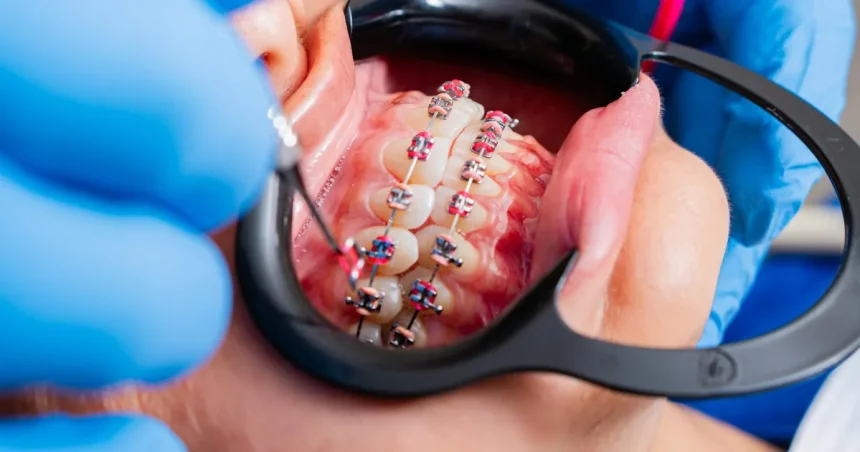
When deciding between braces and aligners, the choice isn’t just about straightening teeth—it’s about lifestyle, budget, and long-term dental health. Both options promise a confident smile, but they work in fundamentally different ways. Traditional braces use metal brackets and wires to gradually shift teeth into place, while clear aligners rely on custom-made, removable trays that apply gentle pressure. The debate isn’t just about aesthetics; it’s about effectiveness, comfort, and convenience. Whether you’re a busy professional, a parent considering options for your teen, or someone who’s put off orthodontic treatment for years, understanding the nuances of each method will help you make an informed decision. Let’s dive into the details so you can choose the best path to a healthier, straighter smile.
What Are Braces and Aligners? A Quick Comparison
Braces and aligners are the two most popular orthodontic treatments, but they cater to different needs. Braces consist of metal or ceramic brackets bonded to your teeth, connected by wires that an orthodontist adjusts periodically. They’ve been the gold standard for decades, capable of correcting even the most complex dental misalignments. Aligners, on the other hand, are a modern alternative made from transparent, BPA-free plastic. These custom-fitted trays are nearly invisible and can be removed for eating, brushing, and special occasions. While braces are fixed in place, aligners offer flexibility—but that freedom comes with responsibility. The choice between them depends on factors like treatment complexity, discipline, and personal preferences.
How Traditional Braces Work

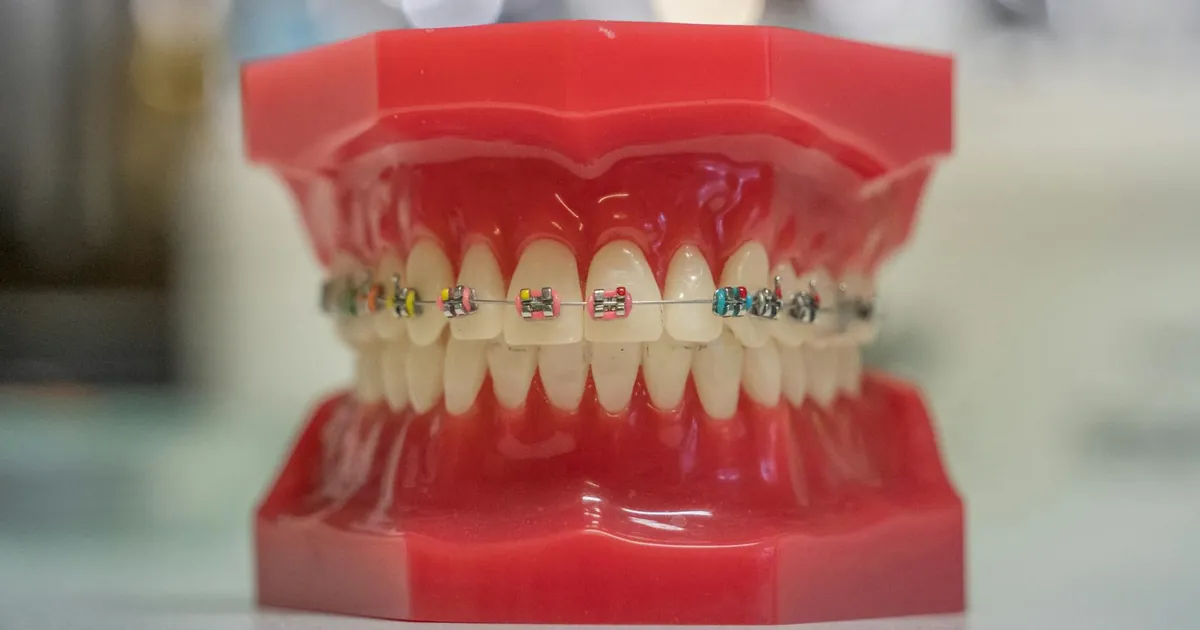
Traditional braces apply continuous pressure to your teeth through a system of brackets and archwires. The orthodontist tightens these wires during regular appointments, gradually guiding your teeth into their desired positions. This method is highly effective for correcting severe crowding, large gaps, or bite issues like overbites and underbites. Because braces are non-removable, they work 24/7, ensuring consistent progress without relying on patient compliance. However, they require careful oral hygiene to avoid plaque buildup around the brackets, and some foods—like sticky candies or hard nuts—must be avoided to prevent damage.
The Science Behind Clear Aligners
Clear aligners use a series of custom-made trays that fit snugly over your teeth. Each set is worn for about two weeks before progressing to the next, with slight adjustments built into each tray to move your teeth incrementally. The process begins with a digital scan of your mouth, which is used to create a 3D treatment plan. Aligners are removable, making it easier to maintain oral hygiene and enjoy your favorite foods. However, they require discipline—most orthodontists recommend wearing them for 20–22 hours a day. Skipping wear time can delay results or even reverse progress, making aligners less ideal for those who might forget to put them back in.
Effectiveness: Which Treatment Delivers Better Results?
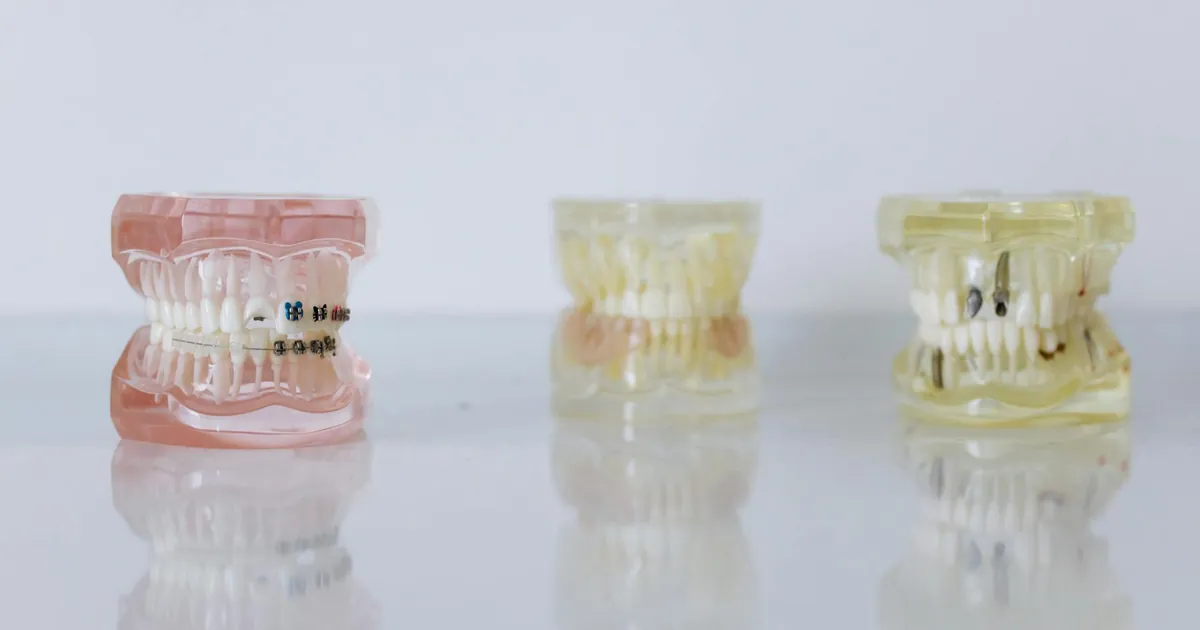
When it comes to effectiveness, braces often have the edge for complex cases. Their fixed nature means they can tackle severe misalignments, rotated teeth, or vertical movements that aligners struggle with. Studies published in the National Library of Medicine show that braces achieve more predictable outcomes for bite corrections, such as deep overbites or crossbites. Aligners, while improving rapidly, are best suited for mild to moderate spacing or crowding issues. They excel in cases where teeth need to move horizontally but may fall short for more intricate adjustments. If your orthodontist recommends braces for your specific needs, it’s usually because aligners won’t deliver the same level of precision.
Cases Where Braces Outperform Aligners
Braces are the go-to choice for patients with significant bite problems, such as open bites where the front teeth don’t touch when the mouth is closed. They’re also better for extruding teeth (moving them downward) or intruding them (pushing them upward), which aligners can’t do as effectively. Additionally, braces are ideal for younger patients who may not have the discipline to wear aligners consistently. For adults with complex dental histories—like previous extractions or jaw surgery—braces provide the control needed to achieve optimal results. If your case requires precise tooth rotation or vertical adjustments, braces are often the only reliable option.
When Aligners Are the Better Choice
Aligners shine in scenarios where aesthetics and convenience are top priorities. They’re perfect for adults who want a discreet treatment option, as the clear trays are nearly invisible. Aligners are also a great fit for professionals who can’t afford the visibility of braces or for those who play wind instruments or contact sports where metal brackets might be a hindrance. Since they’re removable, aligners make it easier to maintain oral hygiene—no special tools are needed to clean around brackets. For mild to moderate crowding or spacing issues, aligners can deliver results comparable to braces, often in a shorter timeframe if worn as directed.
Comfort and Convenience: Which Is Less Disruptive?

Comfort is subjective, but most patients find aligners gentler on their mouths. Unlike braces, which can cause irritation from wires and brackets rubbing against the cheeks and lips, aligners are smooth and custom-fitted. The initial adjustment period for braces often includes soreness after each tightening, while aligners cause discomfort only when switching to a new tray—usually for a day or two. However, convenience favors aligners even more. You can remove them for meals, brushing, and flossing, eliminating dietary restrictions and making oral care a breeze. Braces, on the other hand, require avoiding certain foods and using special tools like interdental brushes to clean around the brackets. That said, aligners demand self-discipline; forgetting to wear them can extend treatment time.
Dietary Restrictions: Braces vs. Aligners
One of the biggest frustrations with braces is the list of forbidden foods. Sticky, chewy, or hard foods—like caramel, popcorn, or raw apples—can damage brackets or get stuck in wires, leading to emergency orthodontist visits. Patients with braces often find themselves cutting food into smaller pieces or avoiding certain snacks altogether. Aligners, however, come with no dietary restrictions. You simply remove them before eating, enjoy your meal, and brush your teeth before putting them back in. This freedom is a game-changer for foodies or anyone who doesn’t want to give up their favorite treats. Just remember: aligners must be worn for the recommended hours, so don’t let snacking turn into all-day grazing.
Oral Hygiene: Keeping Your Teeth Healthy During Treatment
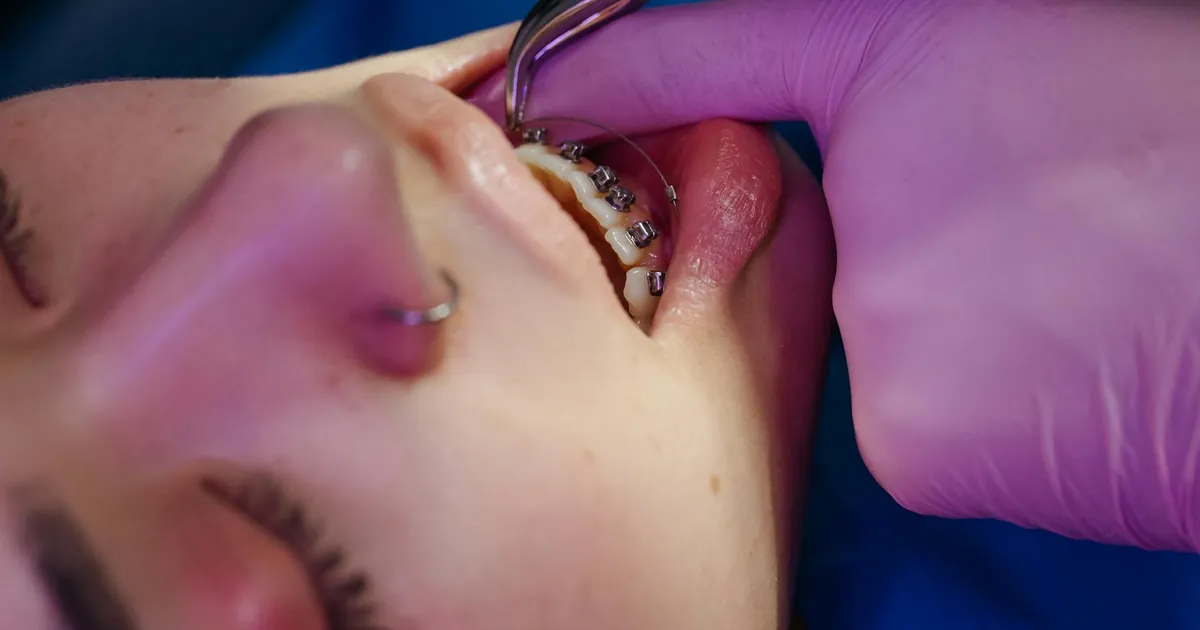
Maintaining oral hygiene is easier with aligners, but braces require extra effort. With aligners, you brush and floss as usual—no special tools needed. The trays themselves should be cleaned daily with a soft toothbrush and mild soap to prevent bacteria buildup. Braces, however, create nooks and crannies where food particles and plaque can hide. Patients must use interdental brushes or water flossers to clean around brackets and under wires. Skipping these steps can lead to white spots (early signs of decay) or gum inflammation. If you struggle with consistent brushing, aligners might be the better choice—but only if you’re committed to wearing them as directed.
Cost Comparison: Which Treatment Fits Your Budget?
The cost of braces and aligners varies widely depending on your location, the complexity of your case, and your orthodontist’s fees. On average, traditional metal braces range from $3,000 to $7,000, while ceramic braces (which blend in with your teeth) can cost $4,000 to $8,000. Aligners, such as Invisalign, typically fall between $3,500 and $8,000, though some direct-to-consumer brands offer cheaper alternatives starting at $1,500. Insurance may cover a portion of the cost for both treatments, especially for patients under 18. Payment plans are often available, making either option more accessible. While aligners might seem pricier upfront, their convenience and shorter treatment times can offset the cost for some patients. Always get a detailed quote from your orthodontist to compare the full financial picture.
Insurance and Financing Options
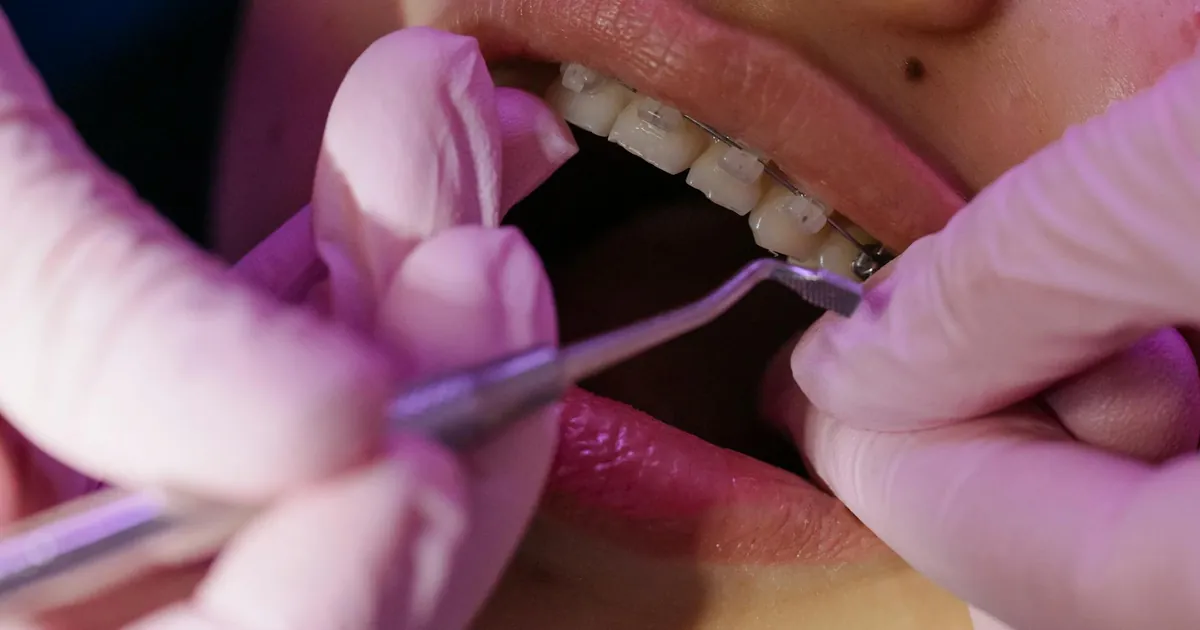
Many dental insurance plans cover orthodontic treatment, but the amount varies. Some plans cover up to $1,500–$2,000 for braces or aligners, while others offer a percentage of the total cost. It’s essential to check your policy’s orthodontic benefits before starting treatment. Flexible Spending Accounts (FSAs) and Health Savings Accounts (HSAs) can also be used to pay for braces or aligners with pre-tax dollars. Most orthodontists offer financing plans, allowing you to spread payments over 12–24 months. Some aligner companies, like SmileDirectClub, provide in-house financing with low monthly payments. Always ask about hidden fees, such as retainers or follow-up visits, to avoid surprises later.
Long-Term Value: Is One Option More Cost-Effective?
While aligners might have a higher upfront cost, their shorter treatment times can make them more cost-effective in the long run. Braces often require 18–24 months of treatment, while aligners can straighten teeth in as little as 6–12 months for mild cases. Fewer orthodontist visits mean less time off work or school, which can add up in saved expenses. However, braces are more durable and less likely to require mid-treatment adjustments, which can incur extra costs. If you’re prone to losing things, aligners might end up being more expensive if you need replacement trays. Ultimately, the best value depends on your specific needs and how well you adhere to the treatment plan.
Treatment Duration: How Long Until You See Results?
The timeline for braces and aligners depends on the complexity of your case. Braces typically take 18–24 months to achieve the desired results, though some patients see improvements in as little as 6 months. Aligners, on the other hand, often work faster for mild to moderate cases, with treatment times ranging from 6–18 months. The key difference is compliance: aligners only work if you wear them for the recommended 20–22 hours a day. Skipping wear time can extend treatment or even reverse progress. Braces, being fixed, don’t rely on patient discipline, making them a more predictable option for those who want a hands-off approach. Your orthodontist will provide a personalized timeline during your consultation.
Factors That Affect Treatment Time
Several factors can influence how long your orthodontic treatment takes. The severity of your misalignment is the biggest determinant—complex cases like severe crowding or bite issues will always take longer. Age also plays a role; teens and young adults often see faster results because their bones are still growing and more responsive to pressure. Compliance is critical for aligner users; forgetting to wear them can add months to your treatment. Additionally, some patients may need attachments (small tooth-colored bumps) on their teeth to help aligners grip better, which can slightly extend the process. Regular check-ups with your orthodontist ensure everything stays on track, so don’t skip appointments.
What to Expect During Each Phase
With braces, the first few weeks involve getting used to the sensation of pressure and adjusting to the brackets in your mouth. After each tightening appointment, you’ll experience soreness for a day or two as your teeth shift. Over time, you’ll notice gradual improvements, with the most significant changes happening in the first 6–12 months. Aligners follow a similar pattern but with less discomfort. Each new tray feels tight for the first day or two, then becomes more comfortable. You’ll switch to a new set every 1–2 weeks, with progress checks every 6–8 weeks. Both treatments require retainers afterward to maintain your new smile, so don’t skip this crucial step.
Key Takeaways
- Braces are ideal for complex cases like severe crowding, bite issues, or rotated teeth, while aligners work best for mild to moderate misalignments.
- Aligners offer convenience and discretion but require discipline to wear them 20–22 hours a day for optimal results.
- Braces are fixed, making them a hands-off option, but they come with dietary restrictions and oral hygiene challenges.
- Costs vary widely, but insurance and financing options can make either treatment more affordable.
- Treatment duration depends on case complexity, with braces typically taking 18–24 months and aligners 6–18 months.
- Both options require retainers after treatment to prevent teeth from shifting back to their original positions.
- Consulting an orthodontist is the best way to determine which treatment aligns with your goals and lifestyle.
“The choice between braces and aligners isn’t one-size-fits-all. As an orthodontist with over 20 years of experience, I’ve seen patients achieve incredible results with both methods. The key is matching the treatment to the patient’s needs, lifestyle, and commitment level. For example, a teenager with a severe overbite will likely need braces, while a busy professional with mild crowding might thrive with aligners. The technology behind aligners has advanced dramatically, but they’re not a universal solution. Always prioritize effectiveness over convenience—your future smile depends on it.”
—Dr. Sarah Chen, DDS, MS, Board-Certified Orthodontist
Frequently Asked Questions
Are aligners as effective as braces for all cases?
No, aligners are not as effective as braces for all cases. While they work well for mild to moderate spacing or crowding, they struggle with complex movements like rotating teeth or correcting severe bite issues. Braces provide more precise control, making them the better choice for patients with significant orthodontic needs. Your orthodontist will evaluate your case and recommend the most effective treatment.
Can I switch from aligners to braces mid-treatment?
Yes, it’s possible to switch from aligners to braces mid-treatment, but it’s not ideal. Switching can extend your overall treatment time and may incur additional costs. If you’re struggling with aligners—whether due to discomfort, compliance issues, or slow progress—talk to your orthodontist. They can adjust your treatment plan or recommend alternative solutions to keep you on track.
Do braces or aligners hurt more?
Both braces and aligners cause some discomfort, but the type and duration differ. Braces can cause soreness after each tightening appointment, which usually lasts a few days. The brackets and wires may also irritate your cheeks and lips initially. Aligners cause discomfort when you switch to a new tray, but it’s typically milder and shorter-lived. Most patients find aligners more comfortable overall, but braces are less likely to cause prolonged soreness.
How often do I need to visit the orthodontist?
With braces, you’ll typically visit the orthodontist every 4–8 weeks for adjustments. These appointments are crucial for tightening wires and monitoring progress. Aligner patients usually have fewer in-person visits, with check-ups every 6–8 weeks. Some aligner companies offer remote monitoring, where you send progress photos instead of visiting the office. However, in-person visits are still recommended to ensure everything is on track.
Can I whiten my teeth during orthodontic treatment?
Whitening your teeth during orthodontic treatment is possible but requires caution. With braces, whitening can lead to uneven coloration because the brackets cover parts of your teeth. It’s best to wait until after treatment to whiten your teeth for a uniform result. Aligners are more compatible with whitening—some patients use whitening gel in their trays for a dual-purpose approach. However, consult your orthodontist before starting any whitening regimen to avoid sensitivity or damage.
What happens if I lose an aligner?
If you lose an aligner, contact your orthodontist immediately. They may advise you to move back to the previous tray or skip ahead to the next one, depending on how long you’ve been wearing the lost tray. Some aligner companies offer replacement trays for a fee, but this can delay your treatment. To avoid setbacks, always store your aligners in their case when not in use and avoid wrapping them in napkins—this is the most common way they get lost or thrown away.
Are there age restrictions for braces or aligners?
There are no strict age restrictions for braces or aligners, but timing matters. Braces are often recommended for children and teens because their bones are still growing, making tooth movement easier. However, adults can successfully use braces at any age. Aligners are typically recommended for teens and adults, as they require discipline to wear consistently. Some aligner brands offer teen-specific options with compliance indicators to ensure proper wear. Your orthodontist will assess your dental development and recommend the best treatment for your age and needs.
Making the Right Choice for Your Smile
Choosing between braces and aligners isn’t just about aesthetics—it’s about finding the treatment that fits your lifestyle, budget, and dental goals. If you have complex orthodontic needs, braces might be the only option that delivers the results you want. But if convenience and discretion are your top priorities, aligners could be the perfect fit—provided you’re committed to wearing them as directed. The best way to decide is to consult an orthodontist who can evaluate your teeth, discuss your preferences, and create a personalized treatment plan. Don’t let uncertainty hold you back from the smile you deserve. Schedule a consultation today and take the first step toward a healthier, more confident you.