
When you think about oral hygiene, brushing and flossing likely come to mind first—but what you eat plays an equally powerful role in keeping your teeth and gums healthy. The foods and drinks you consume daily can either strengthen your enamel, fight harmful bacteria, or silently erode your dental health. Imagine biting into a crisp apple and feeling your gums tingle with vitality, or sipping green tea knowing it’s shielding your teeth from decay. These aren’t just pleasant sensations; they’re signs of a diet working in harmony with your oral care routine. Yet, many people overlook how their eating habits impact their smile, focusing only on mechanical cleaning while ignoring the nutritional foundation that supports it. The truth is, maintaining oral hygiene isn’t just about what you remove from your mouth—it’s about what you put into it. From crunchy vegetables that scrub your teeth naturally to probiotic-rich foods that balance your mouth’s microbiome, the right diet can transform your oral health from the inside out. Let’s explore how simple, intentional food choices can become your secret weapon for a brighter, healthier smile.
What Are Diet Tips for Oral Hygiene?
Diet tips for maintaining oral hygiene daily are practical, food-based strategies that support the health of your teeth, gums, and overall mouth. These tips focus on consuming nutrients that strengthen enamel, reduce harmful bacteria, and promote saliva production—your mouth’s natural defense system. Unlike generic dietary advice, these recommendations are tailored to combat plaque buildup, prevent cavities, and even freshen breath. For example, foods rich in calcium and phosphorus, like dairy and leafy greens, help remineralize teeth, while crunchy fruits and vegetables act as natural toothbrushes. Meanwhile, limiting sugary and acidic foods minimizes the risk of erosion and decay. By integrating these tips into your daily meals, you create a proactive approach to oral health that complements brushing and flossing.
The Role of Nutrition in Oral Health
Your mouth is the gateway to your body, and the nutrients you consume directly influence its health. Think of your teeth and gums as a garden: just as plants need the right soil, sunlight, and water to thrive, your oral tissues require specific vitamins and minerals to stay strong. Calcium, for instance, is the building block of enamel, the hard outer layer of your teeth. Without enough of it, your teeth become more susceptible to decay and sensitivity. Similarly, vitamin D helps your body absorb calcium, making it a critical player in oral health. But it’s not just about what you eat—it’s also about what you avoid. Sugary snacks and acidic beverages create an environment where harmful bacteria flourish, leading to plaque buildup and gum disease. Even seemingly healthy foods, like citrus fruits, can erode enamel if consumed in excess. The key is balance: a diet rich in whole foods, lean proteins, and healthy fats provides the nutrients your mouth needs to fight off infections and maintain its natural defenses.
How Sugar and Acid Attack Your Teeth
Sugar and acid are the arch-nemeses of oral health, working together to weaken your teeth and gums. When you consume sugary foods or drinks, the bacteria in your mouth feed on the sugar and produce acid as a byproduct. This acid attacks your enamel, creating tiny holes that can eventually turn into cavities. The process doesn’t stop there—acidic foods and beverages, like soda, citrus fruits, and even some salad dressings, can directly erode enamel, making your teeth more vulnerable to decay and sensitivity. The worst part? These attacks can last for up to 20 minutes after you’ve finished eating or drinking. That means sipping on a sugary latte for an hour is like subjecting your teeth to a nonstop acid bath. To protect your smile, it’s not just about cutting back on sugar; it’s about being strategic. For example, pairing acidic foods with neutral or alkaline options, like cheese or nuts, can help neutralize the acid and reduce its harmful effects.
Why Saliva Is Your Mouth’s Superhero
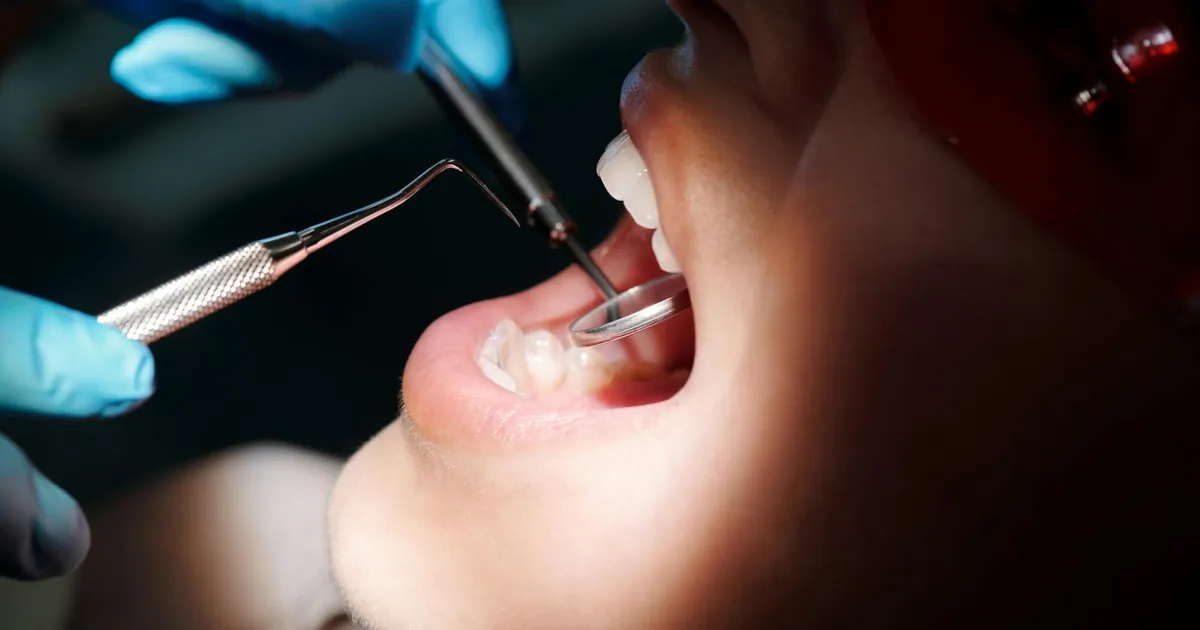
Saliva is often overlooked, but it’s one of your mouth’s most powerful tools for maintaining oral hygiene. This clear, watery fluid does more than just keep your mouth moist—it’s packed with enzymes that break down food, minerals that remineralize teeth, and proteins that fight bacteria. When you chew crunchy foods like apples or carrots, you stimulate saliva production, which helps wash away food particles and neutralize acids. On the flip side, dry mouth—a condition where your mouth doesn’t produce enough saliva—can lead to bad breath, cavities, and gum disease. Certain medications, dehydration, and even stress can contribute to dry mouth, making it essential to stay hydrated and choose foods that promote saliva flow. Drinking water throughout the day, chewing sugar-free gum, and eating fibrous foods are simple yet effective ways to keep your saliva levels optimal and your mouth healthy.
Top Foods to Strengthen Teeth and Gums
If you want to give your teeth and gums a fighting chance, your grocery list should include foods that pack a nutritional punch. Dairy products like milk, cheese, and yogurt are rich in calcium and phosphorus, which help remineralize enamel and keep your teeth strong. Leafy greens, such as spinach and kale, are loaded with vitamins and minerals that promote gum health, while crunchy vegetables like celery and carrots act as natural toothbrushes, scrubbing away plaque as you chew. Don’t forget about lean proteins, like chicken and fish, which provide phosphorus to support enamel strength. Even healthy fats, found in nuts and seeds, play a role in reducing inflammation and protecting your gums. The best part? Many of these foods are delicious and easy to incorporate into your meals. For example, a spinach and cheese omelet for breakfast or a handful of almonds as a snack can do wonders for your oral health. For more tips on keeping your teeth strong, check out this related article on teeth whitening without damaging enamel.
Foods and Drinks to Avoid for a Healthy Smile

While some foods nourish your teeth, others can wreak havoc on your oral health. Sugary snacks and beverages, like candy, soda, and even fruit juices, are the biggest culprits when it comes to cavities. These foods feed the harmful bacteria in your mouth, leading to acid production and enamel erosion. Sticky foods, like dried fruit or caramel, are particularly problematic because they cling to your teeth, giving bacteria more time to cause damage. Acidic foods and drinks, such as citrus fruits, tomatoes, and wine, can also weaken enamel over time, making your teeth more susceptible to sensitivity and decay. Even seemingly healthy choices, like sports drinks or flavored yogurts, can be loaded with sugar and acid. The good news? You don’t have to eliminate these foods entirely. Instead, enjoy them in moderation and pair them with water or neutral foods to minimize their impact. For example, drinking water after consuming a sugary snack can help rinse away residue and reduce acid buildup. If you’re curious about which drinks are best for your teeth, this guide on the best drinks for healthy teeth and gums offers some great alternatives.
How Starchy Foods Contribute to Plaque
Starchy foods, like bread, pasta, and crackers, might seem harmless, but they can be just as damaging to your teeth as sugary snacks. When you eat starchy foods, the enzymes in your saliva break them down into sugars, which then feed the bacteria in your mouth. This process leads to acid production, which attacks your enamel and contributes to plaque buildup. The stickier the starch, the worse it is for your teeth—think of how a piece of white bread can cling to your molars long after you’ve finished eating. To minimize the damage, opt for whole-grain versions of starchy foods, which are less processed and contain more fiber. Fiber helps stimulate saliva production, which can wash away food particles and neutralize acids. Additionally, pairing starchy foods with protein or healthy fats, like cheese or avocado, can help slow down the breakdown of starches into sugars, reducing their impact on your teeth.
The Hidden Dangers of Sports and Energy Drinks

Sports and energy drinks are often marketed as healthy choices, but they can be a nightmare for your oral health. These beverages are loaded with sugar and acid, which can erode enamel and lead to cavities. In fact, some energy drinks have acidity levels comparable to battery acid, making them one of the most damaging drinks for your teeth. Even sugar-free versions can be problematic because they’re still highly acidic. The worst part? Many people sip on these drinks slowly, prolonging the exposure of their teeth to harmful acids. If you’re an athlete or someone who relies on these drinks for an energy boost, consider switching to water or coconut water, which are hydrating and less damaging to your teeth. If you must drink a sports or energy drink, use a straw to minimize contact with your teeth and rinse your mouth with water afterward. For more insights on how to protect your teeth from common dental issues, this article on the causes of tooth pain and quick relief tips is a great resource.
Hydration and Its Impact on Oral Hygiene
Staying hydrated isn’t just good for your body—it’s essential for your oral health. Water is the ultimate mouth rinse, helping to wash away food particles, bacteria, and acids that can lead to cavities and gum disease. When you’re dehydrated, your mouth produces less saliva, which means fewer natural defenses against harmful bacteria. Dry mouth can also lead to bad breath, as bacteria thrive in a dry environment. Drinking water throughout the day, especially after meals, can help keep your mouth clean and fresh. If you’re someone who struggles with dry mouth, try sipping water regularly, chewing sugar-free gum, or using a humidifier at night. Even swapping out sugary or acidic drinks for water can make a big difference in your oral health. For example, if you’re used to drinking soda with lunch, try sparkling water with a splash of lemon instead. It’s a small change that can have a big impact on your smile.
Probiotics and Oral Health: A Surprising Connection

Probiotics are often associated with gut health, but they also play a surprising role in oral hygiene. These beneficial bacteria help balance the microbiome in your mouth, reducing the growth of harmful bacteria that cause cavities, gum disease, and bad breath. Foods like yogurt, kefir, sauerkraut, and kimchi are rich in probiotics and can help promote a healthy oral environment. Even probiotic supplements, when taken regularly, can support your mouth’s natural defenses. The key is consistency—just like with gut health, the benefits of probiotics for your mouth build over time. If you’re new to probiotics, start with small amounts and gradually increase your intake. Pairing probiotic-rich foods with prebiotics, like garlic, onions, and bananas, can also enhance their effectiveness. For example, a breakfast of yogurt with banana slices and a sprinkle of flaxseeds is a delicious way to support both your gut and oral health.
Key Takeaways
- Your diet directly impacts your oral health, with certain foods strengthening enamel and others promoting decay.
- Calcium, phosphorus, and vitamin D are essential for strong teeth, while crunchy fruits and vegetables act as natural toothbrushes.
- Sugary and acidic foods and drinks erode enamel and feed harmful bacteria, leading to cavities and gum disease.
- Saliva is your mouth’s natural defense system, and staying hydrated helps maintain optimal saliva production.
- Probiotics can balance your mouth’s microbiome, reducing the risk of cavities, gum disease, and bad breath.
- Starchy foods and sports drinks can be just as damaging as sugary snacks, so moderation and smart pairing are key.
- Small dietary changes, like drinking water after meals or choosing whole-grain foods, can significantly improve your oral hygiene.
“The mouth is a mirror of the body’s health, and what you eat reflects in your smile. A diet rich in whole foods, lean proteins, and healthy fats doesn’t just nourish your body—it protects your teeth and gums from disease. Think of your meals as an extension of your oral care routine, and you’ll see the difference in your dental checkups.”
—Dr. Sarah Thompson, DDS, Oral Health Specialist
Frequently Asked Questions
Can certain foods whiten my teeth naturally?
Yes! Some foods can help whiten your teeth naturally by gently scrubbing away surface stains or promoting saliva production. Crunchy fruits and vegetables, like apples, carrots, and celery, act as natural abrasives, while strawberries contain malic acid, which can help break down stains. Dairy products, like cheese and yogurt, are also beneficial because they contain lactic acid, which can help lighten teeth. However, it’s important to note that these foods won’t produce the same dramatic results as professional whitening treatments. For more tips on brightening your smile safely, check out this guide on teeth whitening without damaging enamel.
How does coffee affect my oral health?
Coffee can have both positive and negative effects on your oral health. On the one hand, it contains antioxidants that can help reduce inflammation and fight bacteria. On the other hand, coffee is acidic and can stain your teeth, leading to discoloration over time. The tannins in coffee also contribute to dry mouth, which can increase the risk of cavities and bad breath. To minimize the damage, try drinking coffee through a straw to reduce contact with your teeth, and rinse your mouth with water afterward. Adding a splash of milk can also help neutralize some of the acidity. If you’re a coffee lover, consider pairing it with a crunchy snack, like an apple, to stimulate saliva production and wash away residue.
Are there any foods that can help with bad breath?
Absolutely! Certain foods can help combat bad breath by neutralizing odors or promoting saliva production. Herbs like parsley, mint, and cilantro contain chlorophyll, which can help freshen your breath naturally. Crunchy fruits and vegetables, like apples and celery, stimulate saliva flow, which helps wash away bacteria and food particles. Probiotic-rich foods, like yogurt and kefir, can also help balance the bacteria in your mouth, reducing the risk of bad breath. Even drinking green tea can help, as it contains polyphenols that inhibit the growth of odor-causing bacteria. If you’re dealing with chronic bad breath, it’s a good idea to check in with your dentist to rule out underlying issues like gum disease or dry mouth.
What’s the best time to eat sugary foods to minimize damage?
The best time to eat sugary foods is during or right after a meal. When you eat, your mouth produces more saliva, which helps neutralize acids and wash away food particles. This means that if you indulge in a sugary treat after a meal, the damage to your teeth is minimized. On the other hand, snacking on sugary foods throughout the day exposes your teeth to constant acid attacks, increasing the risk of cavities. If you do eat something sweet between meals, try to rinse your mouth with water afterward or chew sugar-free gum to stimulate saliva production. It’s also a good idea to avoid sticky or hard candies, as they can cling to your teeth and prolong exposure to sugar.
Can a vegan diet support good oral hygiene?
Yes, a vegan diet can support good oral hygiene, but it requires careful planning to ensure you’re getting all the nutrients your teeth and gums need. Calcium, vitamin D, and phosphorus are essential for strong teeth, and while they’re commonly found in dairy products, they can also be obtained from plant-based sources. Leafy greens, almonds, and fortified plant milks are great sources of calcium, while mushrooms and fortified cereals can provide vitamin D. However, vegans may need to pay extra attention to their B12 and iron intake, as deficiencies in these nutrients can lead to oral health issues like gum disease and mouth sores. It’s also important to avoid vegan junk foods, like sugary snacks and processed carbs, which can be just as damaging to your teeth as their non-vegan counterparts.
How does alcohol consumption affect oral health?
Alcohol can have several negative effects on your oral health. First, it’s often high in sugar, which feeds harmful bacteria and increases the risk of cavities. Second, alcohol is dehydrating, which can lead to dry mouth—a condition that promotes bad breath and gum disease. Even sugar-free alcoholic beverages can be problematic because they’re often acidic, which can erode enamel over time. Additionally, alcohol can irritate the soft tissues in your mouth, increasing the risk of oral cancer, especially when combined with tobacco use. To minimize the damage, try to limit your alcohol intake, drink water between alcoholic beverages, and rinse your mouth with water afterward. If you’re a frequent drinker, it’s a good idea to schedule regular dental checkups to monitor your oral health.
What are the best snacks for maintaining oral hygiene?
The best snacks for maintaining oral hygiene are those that are low in sugar, high in fiber, and promote saliva production. Crunchy fruits and vegetables, like apples, carrots, and celery, are excellent choices because they help scrub away plaque and stimulate saliva flow. Nuts and seeds, like almonds and pumpkin seeds, are also great because they’re rich in healthy fats and minerals that support enamel strength. Cheese and yogurt are other smart options, as they contain calcium and phosphorus to remineralize teeth. Even dark chocolate, in moderation, can be a good choice because it contains antioxidants that benefit your gums. The key is to avoid sticky, sugary, or acidic snacks, which can cling to your teeth and promote decay.
Your smile is a reflection of your overall health, and the foods you choose to eat can either protect it or put it at risk. By making small, intentional changes to your diet—like swapping sugary snacks for crunchy vegetables or sipping water instead of soda—you can create a powerful defense against cavities, gum disease, and bad breath. Remember, oral hygiene isn’t just about what you do with your toothbrush; it’s about what you put on your plate. Start today by incorporating one or two of these diet tips into your routine, and watch as your mouth thanks you with stronger teeth, healthier gums, and fresher breath. For more insights on maintaining a healthy smile, explore this guide on the cost and benefits of common dental treatments to stay informed and proactive about your oral care.