


Deciding whether the best time to brush teeth is morning or night isn’t just about habit—it’s about science, saliva, and safeguarding your smile for decades. While most people squeeze in a quick scrub after breakfast or before bed, dental experts reveal that timing can make or break your oral health. Plaque doesn’t take a break, and neither should your defense against cavities, gum disease, and enamel erosion. The truth? Both morning and night brushing play unique roles, but one might be slightly more critical for long-term protection. Let’s uncover why your toothbrush’s schedule could be the unsung hero of your dental routine.
What Determines the Best Time to Brush Teeth?
In just 40 words: The best time to brush teeth depends on plaque buildup, saliva flow, and acid exposure. Morning brushing combats overnight bacteria, while night brushing removes food debris and prevents plaque hardening into tartar.
Your mouth is a battleground where bacteria and acids wage war on your teeth 24/7. The timing of your brush strokes can either strengthen your defenses or leave gaps in your armor. During sleep, saliva production slows, allowing bacteria to multiply and form a sticky film called plaque. By morning, this plaque is primed to interact with sugars from breakfast, creating acids that attack enamel. Brushing before eating removes this bacterial army before it can cause damage.
At night, the stakes are different. After a day of eating and drinking, food particles cling to teeth, feeding bacteria that produce harmful acids. If left unchecked, plaque hardens into tartar within 24–48 hours, which only a dentist can remove. Night brushing disrupts this process, giving your teeth a clean slate before the saliva slows down again. The American Dental Association (ADA) emphasizes that consistency matters more than timing, but understanding these biological rhythms helps you optimize your routine.
Morning Brushing: Why It’s More Than Just Fresh Breath
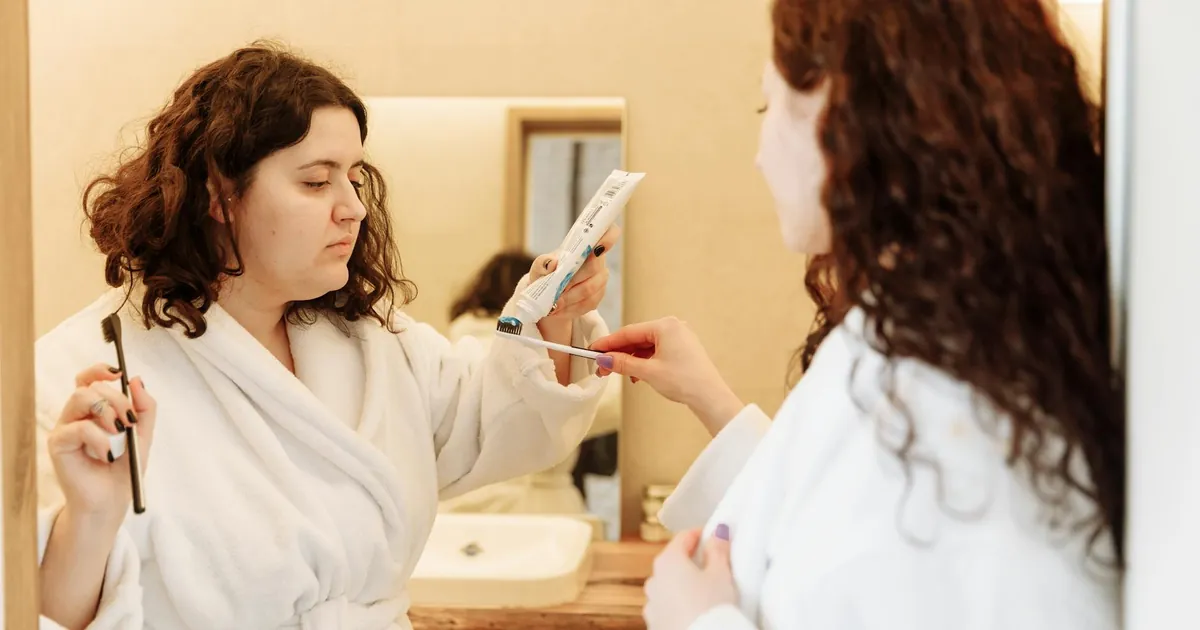
Waking up with a fuzzy tongue and stale breath isn’t just unpleasant—it’s a sign of bacterial overgrowth. Overnight, your mouth becomes a breeding ground for microbes that produce volatile sulfur compounds, the culprits behind morning breath. Brushing first thing in the morning doesn’t just freshen your breath; it resets your oral microbiome, reducing the risk of cavities and gum inflammation.
But here’s the catch: when you brush in the morning matters. Many people brush after breakfast, thinking they’re removing food debris. However, if you’ve eaten acidic foods like citrus fruits or coffee, brushing immediately can actually damage softened enamel. A study published in the Journal of Dental Research found that waiting 30 minutes after eating allows saliva to neutralize acids and reharden enamel. If you can’t wait, rinsing with water or chewing sugar-free gum can help until it’s safe to brush.
Morning brushing also kickstarts saliva production, which is your mouth’s natural defense system. Saliva contains minerals like calcium and phosphate that repair early enamel damage. By brushing before breakfast, you’re not just cleaning—you’re priming your teeth for the day ahead. For those who struggle with dry mouth, this step is even more critical, as it helps maintain moisture and pH balance.
Should You Brush Before or After Breakfast?
The debate over whether to brush before or after breakfast hinges on enamel protection. Brushing before eating removes overnight plaque, but it doesn’t address food particles left behind. Brushing after breakfast cleans those particles but risks scrubbing acid-weakened enamel. The solution? A compromise: brush before breakfast, then rinse with water or use an alcohol-free mouthwash afterward. This approach gives you the best of both worlds—plaque removal and debris clearance without enamel damage.
Morning Brushing for Coffee and Tea Drinkers
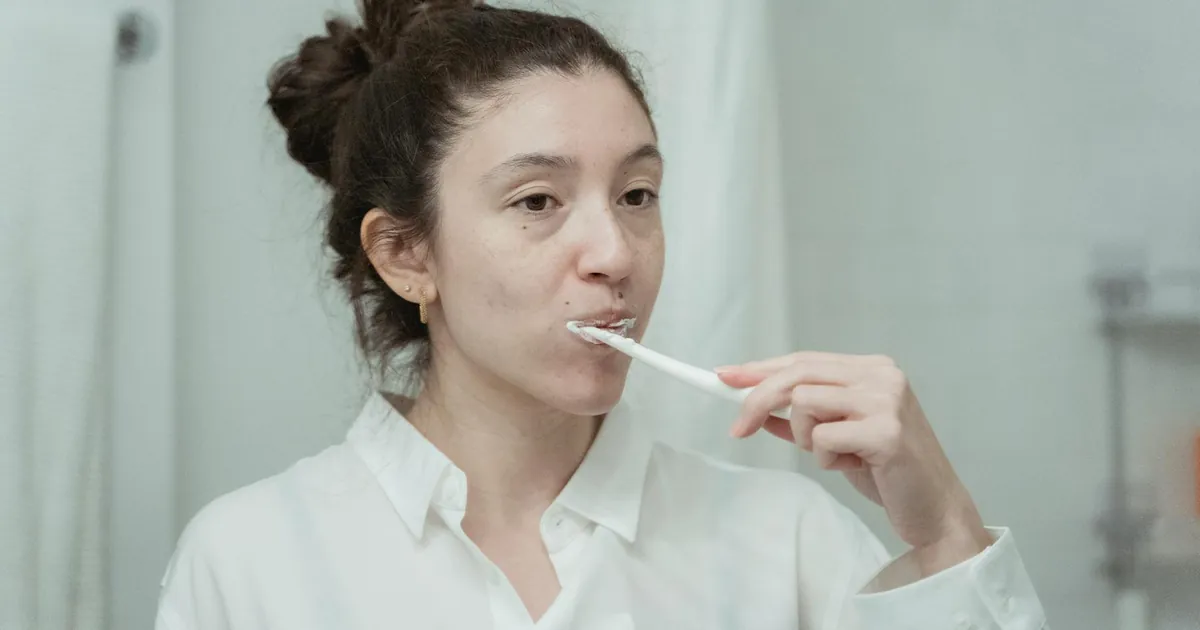
If you’re a coffee or tea lover, your morning brush is non-negotiable. These beverages stain teeth and lower oral pH, creating an acidic environment that erodes enamel. Brushing before your first sip removes plaque that would otherwise absorb these pigments, reducing staining. For extra protection, consider using a whitening toothpaste or rinsing with water after drinking. If you’re looking for natural ways to whiten teeth at home safely, combining morning brushing with baking soda or oil pulling can enhance results.
Night Brushing: The Unsung Hero of Oral Health
If you had to choose just one time to brush, nighttime would be the winner. Why? Because while you sleep, your mouth’s natural defenses—like saliva—take a break. Without night brushing, plaque left on your teeth hardens into tartar, which harbors bacteria that cause gum disease and cavities. The ADA reports that people who skip night brushing are 30% more likely to develop periodontal disease, a condition linked to heart disease and diabetes.
Night brushing isn’t just about cleaning; it’s about prevention. After dinner, food particles and sugars linger in your mouth, feeding bacteria that produce acids. These acids eat away at enamel, leading to cavities. Brushing before bed removes this debris, starving the bacteria and reducing acid production. For those with braces or dental work, night brushing is even more critical, as food can get trapped in hard-to-reach areas, increasing the risk of decay.
But timing matters here, too. Brushing immediately after dinner can be counterproductive if you’ve consumed acidic foods or drinks. Wait at least 30 minutes to allow your saliva to neutralize acids. If you’re prone to snacking before bed, a quick rinse with water can help until you’re ready to brush. For a deeper clean, consider flossing or using an interdental brush to remove plaque between teeth, where your toothbrush can’t reach.
The Role of Fluoride in Night Brushing
Fluoride is your teeth’s best friend at night. This mineral strengthens enamel and helps repair early signs of decay. When you brush with fluoride toothpaste before bed, the fluoride stays on your teeth longer, providing extended protection. For those at high risk of cavities, a fluoride mouthwash can add an extra layer of defense. Just be sure to spit, not rinse, to maximize fluoride’s benefits.
Night Brushing for Dry Mouth Sufferers

If you wake up with a parched mouth, night brushing is even more essential. Dry mouth reduces saliva flow, which means less natural cleaning and protection. Brushing before bed helps remove bacteria that thrive in dry conditions. To combat dryness, try sipping water throughout the evening or using a humidifier in your bedroom. Avoid alcohol-based mouthwashes, as they can worsen dryness. Instead, opt for a hydrating rinse with xylitol, which stimulates saliva production.
Can You Brush Too Much? The Risks of Overbrushing
Brushing twice a day is the gold standard, but more isn’t always better. Overbrushing—whether in frequency or force—can wear down enamel and damage gums. The ADA warns that brushing more than three times a day or using a hard-bristled toothbrush can lead to abrasion, where the tooth’s surface erodes, exposing sensitive roots. This can cause pain, discoloration, and even tooth loss over time.
Signs you’re overbrushing include receding gums, sensitive teeth, and notches near the gum line. If you notice these symptoms, switch to a soft-bristled brush and use gentle, circular motions. Electric toothbrushes with pressure sensors can help prevent overbrushing by alerting you if you’re pressing too hard. Remember, it’s not about scrubbing harder—it’s about being thorough. For a step-by-step guide on proper technique, check out this related article on how to brush teeth properly.
Timing also plays a role in overbrushing. Brushing immediately after acidic foods or drinks can accelerate enamel erosion. If you’ve had soda, citrus, or wine, wait at least 30 minutes before brushing. In the meantime, rinse with water or chew sugar-free gum to neutralize acids. Your teeth will thank you for the patience.
How Your Diet Affects Brushing Timing
What you eat and drink can dictate the best time to brush your teeth. Acidic foods and drinks—like citrus fruits, tomatoes, and soda—temporarily soften enamel. Brushing right after consuming them can strip away this weakened layer, leading to sensitivity and erosion. On the other hand, sugary or starchy foods feed bacteria, increasing plaque buildup. Timing your brushing to avoid these pitfalls can make a big difference.
For example, if you enjoy a glass of orange juice with breakfast, brushing before eating is safer. If you snack throughout the day, rinsing with water after each snack can help until your next brush. At night, avoid sugary desserts or acidic drinks before bed, as they linger in your mouth, fueling bacteria. If you do indulge, wait 30 minutes before brushing to protect your enamel.
Your diet can also influence saliva production. Crunchy fruits and vegetables, like apples and carrots, stimulate saliva, which helps clean teeth naturally. Dairy products, like cheese and yogurt, contain calcium and phosphate, which strengthen enamel. Incorporating these foods into your meals can reduce the need for aggressive brushing and support your oral health between brushes.
Best and Worst Foods for Brushing Timing
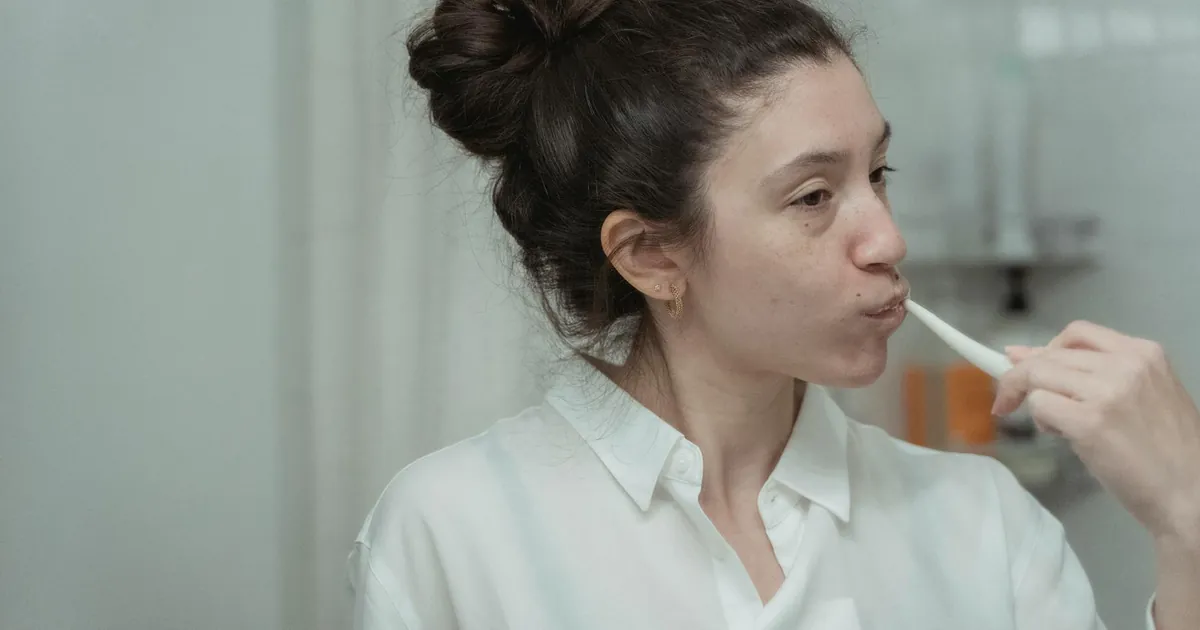
Some foods are brushing-friendly, while others require a strategic delay. Here’s a quick guide:
- Best before brushing: Water, unsweetened tea, dairy products (cheese, milk), crunchy vegetables (celery, carrots).
- Wait 30 minutes after: Citrus fruits, tomatoes, soda, wine, vinegar-based dressings, sugary snacks.
- Avoid before bed: Candy, dried fruit, sticky foods (caramel, gummies), sugary cereals.
By aligning your brushing schedule with your diet, you can maximize protection and minimize damage.
Key Takeaways: Morning vs. Night Brushing
- Both morning and night brushing are essential, but night brushing is slightly more critical for preventing plaque buildup and tartar.
- Morning brushing removes overnight bacteria and freshens breath, but timing around breakfast matters to avoid enamel damage.
- Night brushing removes food debris and prevents plaque from hardening into tartar, especially important for those with dry mouth or braces.
- Wait 30 minutes after eating acidic or sugary foods before brushing to protect enamel.
- Overbrushing can damage gums and enamel, so stick to twice-daily brushing with a soft-bristled brush.
- Fluoride toothpaste at night provides extended protection while you sleep.
- Your diet influences the best time to brush—acidic foods require a delay, while crunchy or dairy foods can be brushed right after.
“The most common mistake people make is brushing immediately after eating acidic foods. This can do more harm than good by scrubbing away softened enamel. Waiting 30 minutes allows saliva to do its job and reharden the tooth surface. Consistency and technique matter far more than timing alone.”
—Dr. Maria Lopez, DDS, Spokesperson for the American Dental Association
Frequently Asked Questions
Is it better to brush teeth before or after breakfast?

Brushing before breakfast removes overnight plaque, while brushing after cleans food debris. The safest approach is to brush before eating, then rinse with water afterward. If you brush after breakfast, wait 30 minutes to avoid damaging acid-weakened enamel.
What happens if I only brush my teeth at night?
Brushing only at night reduces plaque buildup and lowers the risk of cavities and gum disease. However, you’ll miss out on the benefits of morning brushing, like fresher breath and reduced bacterial load. If you must choose one, night brushing is more critical, but aim for both when possible.
Can I brush my teeth right after waking up?
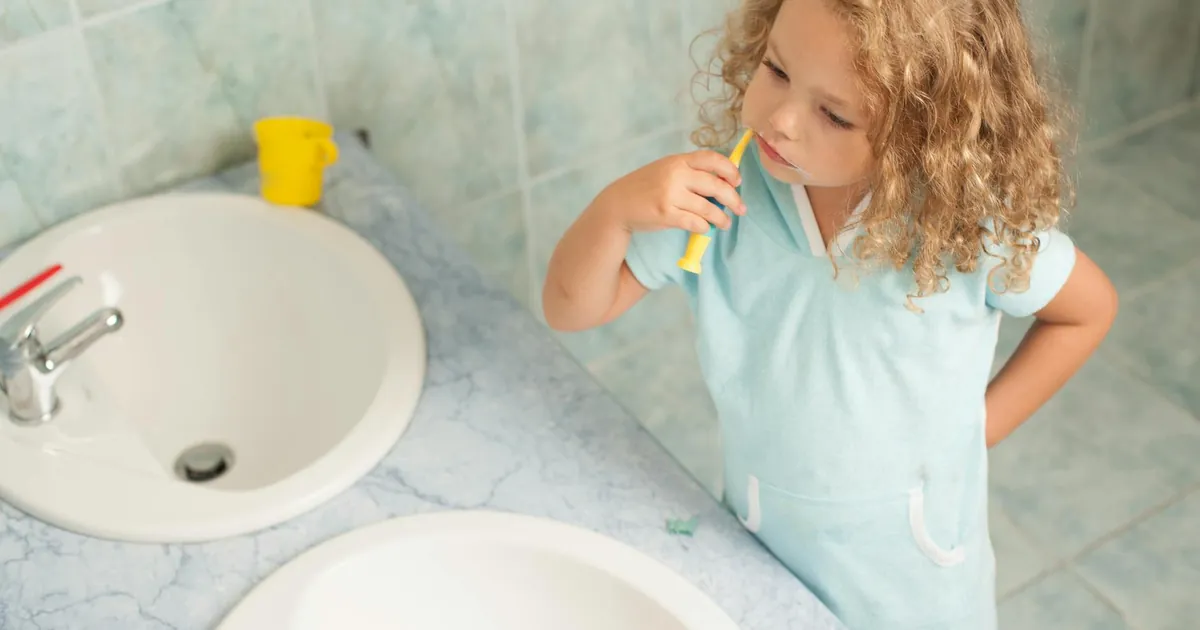
Yes, brushing right after waking up is ideal. It removes plaque that accumulated overnight and freshens your breath. Just be sure to use a soft-bristled brush and gentle motions to avoid irritating your gums.
How long should I wait to brush after eating?
Wait at least 30 minutes after eating, especially if you’ve consumed acidic or sugary foods. This gives your saliva time to neutralize acids and reharden enamel. If you can’t wait, rinse with water or chew sugar-free gum to tide you over.
Does brushing at night prevent cavities?
Yes, night brushing plays a major role in cavity prevention. It removes food particles and plaque that feed bacteria, reducing acid production. Using fluoride toothpaste at night also strengthens enamel, providing extra protection while you sleep.
What’s the best toothpaste for morning and night brushing?
For morning brushing, a fluoride toothpaste with whitening agents can help remove stains and freshen breath. At night, opt for a fluoride-rich toothpaste to repair enamel and prevent cavities. If you have sensitive teeth, choose a toothpaste with potassium nitrate or stannous fluoride for added relief.
Is it okay to brush my teeth three times a day?
Brushing three times a day is generally safe if you use a soft-bristled brush and gentle technique. However, overbrushing can damage gums and enamel, so stick to twice daily unless advised otherwise by your dentist. If you brush after lunch, wait 30 minutes after eating to protect your enamel.
Your toothbrush’s schedule isn’t just about routine—it’s about strategy. Whether you’re a morning brusher, a night owl, or both, the key is consistency and timing. Morning brushing sets the stage for a day of fresh breath and reduced bacteria, while night brushing protects your teeth during their most vulnerable hours. By aligning your brushing with your diet, saliva flow, and lifestyle, you can turn a simple habit into a powerful defense against cavities, gum disease, and enamel erosion. Ready to upgrade your routine? Start by evaluating your current habits and making one small change—like waiting 30 minutes after breakfast or adding a fluoride rinse at night. Your future smile will thank you. For more tips on maintaining a daily oral hygiene routine for healthy teeth, explore our expert guides and take the first step toward a lifetime of dental health.