


Teeth whitening has become a go-to solution for anyone looking to brighten their smile, but the journey to pearly whites isn’t always smooth. Many people dive into whitening treatments without realizing the common mistakes that can turn their dream smile into a dental disaster. From overusing whitening strips to ignoring pre-existing dental issues, these errors can lead to sensitivity, uneven results, or even permanent damage. The good news? Most of these pitfalls are entirely avoidable with the right knowledge. Whether you’re using at-home kits, professional treatments, or natural remedies, understanding what not to do is just as important as knowing what to do. Let’s explore the most frequent teeth whitening mistakes—and how to sidestep them for a safer, more effective brightening experience.
What Is Teeth Whitening and Why Mistakes Happen
Teeth whitening is a cosmetic procedure designed to lighten the color of your teeth by removing stains and discoloration. It typically involves bleaching agents like hydrogen peroxide or carbamide peroxide, which break down stains on the enamel and dentin. While the process sounds straightforward, mistakes often occur because people underestimate the science behind it. Teeth whitening isn’t just about slapping on a gel or strip—it requires precision, patience, and an understanding of your dental health. Many assume that more product or longer application times will yield faster results, but this approach often backfires, leading to sensitivity, gum irritation, or even enamel erosion. Others skip crucial steps, like consulting a dentist or following post-whitening care, which can compromise the outcome. The key to success lies in balancing effectiveness with safety, and that starts with recognizing where things can go wrong.
How Over-the-Counter Products Mislead Users
Over-the-counter (OTC) whitening products, like strips, gels, and toothpastes, are convenient and affordable, but they often come with misleading claims. Many promise “instant” or “dramatic” results in just a few uses, which can tempt users to overapply or misuse them. For example, some people leave whitening strips on longer than recommended, thinking it will speed up the process. In reality, this can cause chemical burns on the gums or increase tooth sensitivity. OTC products also lack customization—what works for one person’s teeth may not work for another’s, especially if they have fillings, crowns, or intrinsic stains. Without professional guidance, users may not realize that certain stains, like those caused by tetracycline or fluorosis, require stronger treatments than OTC options can provide. To avoid these pitfalls, always read the instructions carefully and consider consulting a dentist before starting any whitening regimen.
The Role of Enamel in Whitening Safety
Enamel is the hard, protective outer layer of your teeth, and it plays a critical role in whitening safety. While bleaching agents penetrate the enamel to break down stains, they can also weaken it if used incorrectly. Overuse of whitening products, especially those with high concentrations of peroxide, can erode enamel over time, making teeth more prone to sensitivity and cavities. Some people mistakenly believe that scrubbing harder with whitening toothpaste will enhance results, but this abrasive action can wear down enamel faster. To protect your enamel, opt for products with lower peroxide concentrations and avoid whitening too frequently. Additionally, using a fluoride toothpaste or mouthwash after whitening can help remineralize and strengthen enamel. For more tips on preserving enamel during whitening, check out this related article.
Skipping the Dentist Consultation
One of the biggest mistakes people make is skipping a dentist consultation before whitening their teeth. A professional dental checkup can reveal underlying issues like cavities, gum disease, or exposed roots, which can worsen with whitening treatments. For example, applying bleach to a cavity can cause severe pain and damage the tooth’s nerve. Dentists can also assess whether your stains are extrinsic (surface-level) or intrinsic (deep within the tooth), which determines the best whitening approach. Some stains, like those from aging or medication, may not respond to standard whitening methods and require alternative treatments like veneers or bonding. Additionally, a dentist can provide custom-fitted trays, which are more effective and safer than one-size-fits-all OTC options. If you’re unsure whether your teeth are whitening-ready, schedule a consultation to avoid costly and painful mistakes.
Why Custom Trays Outperform DIY Kits
DIY whitening kits are popular for their convenience, but they often fall short compared to custom trays provided by dentists. Custom trays are molded to fit your teeth precisely, ensuring even distribution of the whitening gel and minimizing contact with gums. In contrast, generic trays or strips can leak gel, leading to gum irritation or uneven whitening. Custom trays also allow for better control over the amount of gel used, reducing the risk of over-bleaching. While DIY kits may seem cost-effective, they often require more frequent use to achieve the same results as professional treatments, which can increase the risk of sensitivity and enamel damage. If you’re serious about whitening, investing in custom trays is a smarter, safer choice in the long run.
Identifying Stains That Won’t Respond to Whitening
Not all stains are created equal, and some simply won’t respond to traditional whitening methods. Intrinsic stains, which occur within the tooth structure, are often caused by factors like aging, trauma, or certain medications (e.g., tetracycline). These stains are deeply embedded and may require alternative treatments, such as veneers or bonding, to achieve a brighter smile. Extrinsic stains, caused by foods, drinks, or smoking, are more responsive to whitening but may still need professional intervention for stubborn discoloration. If you’ve tried whitening products without success, it’s possible your stains are intrinsic. A dentist can help diagnose the type of stain and recommend the best course of action. Ignoring this step can lead to wasted time, money, and frustration.
Overusing Whitening Products
More isn’t always better when it comes to teeth whitening. Overusing whitening products is a common mistake that can lead to serious consequences, including tooth sensitivity, gum irritation, and enamel damage. Many people assume that using whitening strips or gels daily will speed up the process, but this can actually weaken the enamel and make teeth more porous. Over time, this can lead to increased sensitivity to hot and cold foods, as well as a higher risk of cavities. Additionally, excessive whitening can cause the teeth to appear translucent or bluish, which is the opposite of the desired effect. To avoid overuse, follow the recommended guidelines for your chosen product and give your teeth time to recover between treatments. If you’re unsure about the right frequency, consult a dentist for personalized advice.
The Dangers of Daily Whitening
Daily whitening might seem like a shortcut to a brighter smile, but it’s a recipe for dental disaster. Whitening products contain bleaching agents that need time to work—and time for your teeth to recover. Using them daily can strip away the protective enamel layer, exposing the sensitive dentin underneath. This can lead to chronic tooth sensitivity, making it painful to eat or drink anything hot, cold, or sweet. Daily whitening can also irritate the gums, causing redness, swelling, or even chemical burns. If you’re tempted to whiten every day, consider switching to a gentler product or spacing out your treatments. For example, using a whitening toothpaste a few times a week instead of daily can help maintain results without causing damage. Remember, patience is key—whitening is a gradual process, not an overnight fix.
How to Recognize Over-Whitening Symptoms
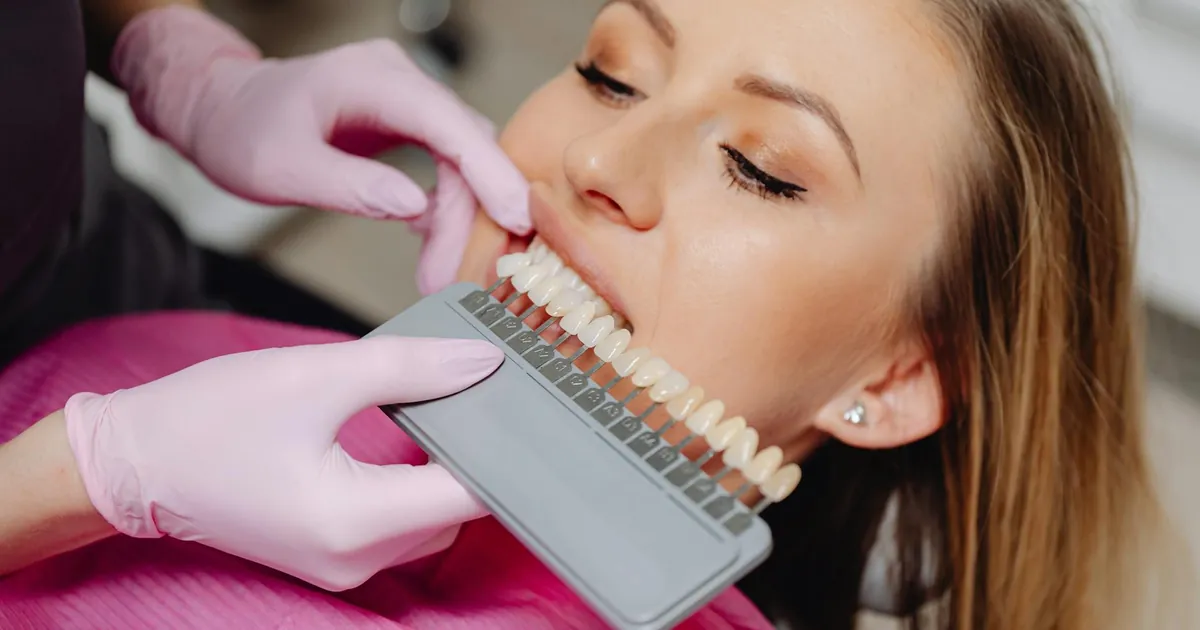
Over-whitening doesn’t always announce itself with dramatic symptoms, but there are subtle signs to watch for. One of the earliest red flags is increased tooth sensitivity, especially when consuming hot, cold, or acidic foods. If your teeth feel like they’re zinging with pain, it’s a sign that the enamel is thinning. Another symptom is gum irritation—if your gums appear red, swollen, or bleed easily after whitening, you’re likely overdoing it. In severe cases, over-whitening can cause the teeth to take on a translucent or bluish hue, which is irreversible without professional intervention. If you notice any of these symptoms, stop whitening immediately and give your teeth a break. Using a fluoride rinse or desensitizing toothpaste can help soothe sensitivity and restore enamel health. For more guidance on safe whitening practices, explore this related article.
Ignoring Pre-Whitening Oral Care
Jumping into teeth whitening without preparing your mouth is like painting a wall without priming it first—you’re setting yourself up for subpar results. Pre-whitening oral care is essential for ensuring the bleaching agents work effectively and evenly. Many people skip this step, only to end up with patchy or uneven whitening. Before starting any whitening treatment, it’s important to clean your teeth thoroughly to remove plaque and tartar, which can block the whitening gel from reaching the enamel. A professional dental cleaning is ideal, but if that’s not an option, brushing and flossing diligently for a few days beforehand can help. Additionally, addressing any existing dental issues, like cavities or gum disease, will prevent complications during whitening. Think of pre-whitening care as laying the foundation for a brighter, more uniform smile.
Why Professional Cleaning Boosts Results
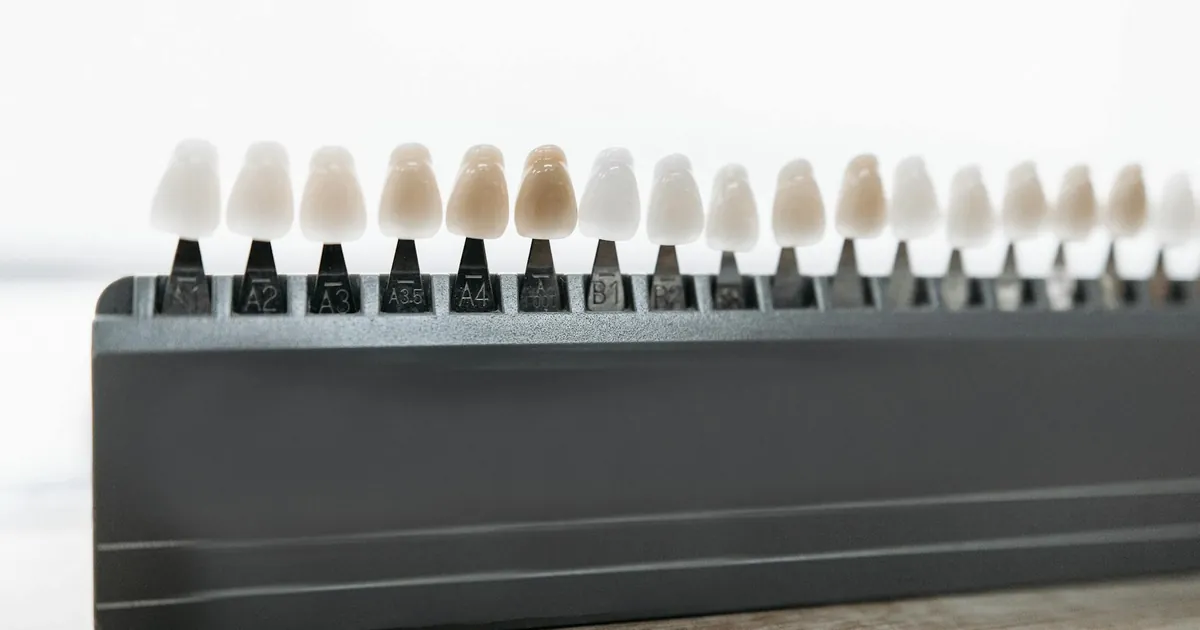
A professional dental cleaning before whitening can make a world of difference in your results. Dentists use specialized tools to remove plaque, tartar, and surface stains that at-home brushing can’t tackle. This ensures that the whitening gel can penetrate the enamel evenly, leading to more consistent and noticeable results. Professional cleanings also help identify any underlying issues, like gum disease or cavities, that could interfere with whitening. If you’re planning to whiten your teeth, scheduling a cleaning a week or two beforehand is a smart move. Not only will it enhance the effectiveness of your whitening treatment, but it will also give you a baseline for tracking your progress. For those who can’t visit a dentist, using a whitening toothpaste or mouthwash in the weeks leading up to whitening can help prepare your teeth.
How Plaque and Tartar Block Whitening Agents
Plaque and tartar are the enemies of effective teeth whitening. These sticky, hardened deposits form on the teeth over time, creating a barrier that prevents whitening agents from reaching the enamel. When you apply a whitening gel or strip to teeth covered in plaque, the gel may not penetrate evenly, leading to patchy or inconsistent results. Tartar, which is hardened plaque, is even more problematic because it can’t be removed by brushing alone—it requires professional cleaning. If you whiten your teeth without addressing plaque and tartar first, you’re essentially wasting your time and money. To avoid this, brush and floss regularly, and consider using an antibacterial mouthwash to reduce plaque buildup. For stubborn tartar, a visit to the dentist is the only solution. By keeping your teeth clean, you’ll maximize the effectiveness of your whitening treatments.
Using the Wrong Whitening Products
Not all whitening products are created equal, and using the wrong one can lead to disappointment or even damage. With so many options available—from strips and gels to toothpastes and LED lights—it’s easy to choose a product that doesn’t suit your needs. For example, whitening toothpastes are great for maintaining results but won’t deliver dramatic whitening on their own. On the other hand, high-concentration gels can cause sensitivity if used incorrectly. Some people also fall for gimmicky products, like charcoal toothpastes or baking soda scrubs, which can be abrasive and harm enamel. To avoid these mistakes, research products thoroughly and opt for those with proven ingredients, like hydrogen peroxide or carbamide peroxide. If you’re unsure, consult a dentist for recommendations tailored to your dental health and whitening goals.
The Problem with Abrasive Whitening Toothpastes
Abrasive whitening toothpastes promise quick results, but they often do more harm than good. These toothpastes contain harsh ingredients like baking soda, charcoal, or silica, which scrub away surface stains but can also wear down enamel over time. While they may make your teeth appear whiter initially, the long-term effects can include increased sensitivity, yellowing (as the dentin beneath the enamel becomes more visible), and a higher risk of cavities. Additionally, abrasive toothpastes can’t address intrinsic stains, which require bleaching agents to remove. If you’re using a whitening toothpaste, opt for one with a low Relative Dentin Abrasivity (RDA) score, ideally below 70. For a safer alternative, consider a toothpaste with gentle whitening agents like hydrogen peroxide or fluoride, which strengthen enamel while brightening your smile.
Why LED Lights Don’t Always Work
LED whitening lights are a popular addition to at-home whitening kits, but their effectiveness is often overstated. These lights are marketed as a way to “activate” the whitening gel, speeding up the process and enhancing results. However, research shows that LED lights alone don’t significantly improve whitening outcomes—they’re more of a marketing gimmick than a game-changer. The real whitening power comes from the bleaching agents in the gel, not the light. In fact, some LED kits use low-quality gels that don’t deliver noticeable results, leaving users disappointed. If you’re considering an LED whitening kit, focus on the quality of the gel rather than the light. Look for products with proven ingredients, like carbamide peroxide, and follow the instructions carefully. For best results, consult a dentist for professional-grade treatments that don’t rely on gimmicks.
Neglecting Post-Whitening Care
Achieving a brighter smile is only half the battle—maintaining it requires proper post-whitening care. Many people make the mistake of assuming that once their teeth are white, they can go back to their old habits. However, neglecting post-whitening care can lead to rapid re-staining and undo all your hard work. After whitening, your teeth are more porous and susceptible to stains from foods, drinks, and smoking. To preserve your results, it’s important to avoid staining agents like coffee, tea, red wine, and tobacco for at least 48 hours. Additionally, using a straw for dark beverages can minimize contact with your teeth. Brushing with a whitening toothpaste and flossing daily can also help maintain your smile. For long-term success, consider touch-up treatments every few months, depending on your lifestyle and diet.
Foods and Drinks That Stain Teeth Fast
Some foods and drinks are notorious for staining teeth, and they can quickly reverse your whitening results if you’re not careful. Dark-colored beverages like coffee, tea, and red wine contain chromogens, which are pigmented compounds that cling to enamel. Similarly, foods like berries, tomato sauce, and soy sauce can leave behind stubborn stains. Even seemingly harmless drinks like soda and sports drinks can erode enamel and make teeth more prone to discoloration. To minimize staining, rinse your mouth with water after consuming these items, or use a straw to bypass your teeth. If you can’t resist your morning coffee, try adding a splash of milk—dairy can help neutralize some of the staining effects. For more tips on protecting your smile, check out this related article.
How to Maintain Whitening Results Long-Term
Maintaining your whitening results long-term requires a combination of good habits and smart choices. First, stick to a consistent oral hygiene routine—brush twice a day, floss daily, and use a whitening mouthwash to keep stains at bay. Second, be mindful of your diet and limit foods and drinks that stain teeth. If you do indulge, rinse your mouth with water afterward to minimize the impact. Third, consider using touch-up treatments every few months to keep your smile bright. At-home whitening pens or strips can be convenient for this purpose. Finally, visit your dentist regularly for cleanings and checkups. Professional cleanings remove surface stains and plaque, helping your teeth stay whiter for longer. By following these steps, you can enjoy a dazzling smile for years to come.
Key Takeaways
- Always consult a dentist before starting any whitening treatment to avoid complications like sensitivity or damage.
- Overusing whitening products can weaken enamel and cause chronic tooth sensitivity—follow the recommended guidelines.
- Pre-whitening oral care, like professional cleanings, ensures even and effective results by removing plaque and tartar.
- Avoid abrasive whitening toothpastes, as they can damage enamel and lead to long-term issues like yellowing.
- LED whitening lights are often ineffective—focus on the quality of the whitening gel instead.
- Post-whitening care is crucial for maintaining results—avoid staining foods and drinks, and use touch-up treatments as needed.
- Custom trays from a dentist are safer and more effective than generic DIY kits, reducing the risk of gum irritation and uneven whitening.
“Teeth whitening is a science, not a guessing game. The most common mistakes—like overuse, skipping dental checkups, or using the wrong products—stem from a lack of understanding about how bleaching agents interact with enamel and dentin. For safe and effective results, always start with a professional consultation and follow a structured approach. Remember, a brighter smile shouldn’t come at the cost of your dental health.”
—Dr. Sarah Thompson, DDS, Cosmetic Dentistry Specialist
Frequently Asked Questions
Can I whiten my teeth if I have cavities?
Whitening your teeth with cavities is not recommended, as the bleaching agents can seep into the decayed areas and cause severe pain or damage to the tooth’s nerve. Before whitening, it’s essential to have any cavities filled by a dentist. Once your teeth are cavity-free, you can proceed with whitening treatments safely. If you’re unsure whether you have cavities, schedule a dental checkup to assess your oral health before starting any whitening regimen.
How often should I whiten my teeth?
The frequency of teeth whitening depends on the method you’re using and your dental health. For at-home treatments like strips or gels, most products recommend whitening for 1–2 weeks, followed by a break of several months before repeating. Professional whitening treatments typically last longer and may only need touch-ups every 6–12 months. Over-whitening can lead to sensitivity and enamel damage, so it’s important to follow the guidelines for your chosen product and consult a dentist if you’re unsure.
Why do my teeth look uneven after whitening?
Uneven whitening results are often caused by plaque, tartar, or existing dental work like fillings or crowns. Whitening agents can’t penetrate these barriers, leading to patchy or inconsistent results. To avoid this, get a professional cleaning before whitening to remove plaque and tartar. If you have dental restorations, keep in mind that they won’t whiten like natural teeth—you may need to replace them to match your new shade. For more even results, consider using custom trays from a dentist, which distribute the whitening gel more uniformly.
Is it safe to whiten teeth during pregnancy?
There’s limited research on the safety of teeth whitening during pregnancy, so most dentists recommend avoiding it as a precaution. The bleaching agents in whitening products, like hydrogen peroxide, haven’t been extensively studied in pregnant women, and it’s best to err on the side of caution. Additionally, pregnancy can increase gum sensitivity and make teeth more prone to irritation. If you’re pregnant and want to brighten your smile, focus on maintaining good oral hygiene and consider professional cleanings. Once you’ve given birth and finished breastfeeding, you can explore whitening options safely.
What’s the best way to whiten sensitive teeth?
If you have sensitive teeth, whitening can be challenging, but it’s not impossible. Start by using a desensitizing toothpaste for a few weeks before whitening to reduce sensitivity. Opt for whitening products with lower concentrations of bleaching agents, like those containing 10% carbamide peroxide, and avoid high-strength gels. Custom trays from a dentist can also help minimize gum irritation and ensure even application. Whiten for shorter periods, such as 15–30 minutes per session, and take breaks between treatments. If sensitivity persists, consult a dentist for alternative whitening options, like in-office treatments with built-in desensitizing agents.
Do natural whitening methods work?
Natural whitening methods, like oil pulling, baking soda, or activated charcoal, are popular but often ineffective for significant whitening. While some of these methods can remove surface stains, they don’t penetrate the enamel like bleaching agents do. Additionally, abrasive methods like baking soda or charcoal can damage enamel over time, leading to increased sensitivity and yellowing. If you’re looking for a natural approach, focus on maintaining good oral hygiene and avoiding staining foods. For noticeable results, professional or at-home whitening products with proven ingredients are a better choice.
How long do whitening results last?
The longevity of whitening results depends on your lifestyle and oral care habits. On average, professional whitening treatments can last 6 months to 2 years, while at-home treatments may need touch-ups every 3–6 months. Factors like diet, smoking, and oral hygiene play a significant role in how long your results last. To extend the life of your whitening, avoid staining foods and drinks, brush and floss regularly, and use whitening toothpaste or mouthwash. Regular dental cleanings can also help maintain your results by removing surface stains and plaque.
Teeth whitening can transform your smile, but only if you approach it with care and knowledge. By avoiding these common mistakes—like overusing products, skipping dental consultations, or neglecting post-whitening care—you can achieve a brighter, healthier smile without the pitfalls. Remember, the key to successful whitening lies in patience, precision, and a commitment to oral health. Whether you opt for professional treatments or at-home kits, always prioritize safety and follow the guidelines. Ready to start your whitening journey? Begin with a dental checkup, choose the right products, and maintain your results with smart habits. Your dream smile is within reach—just take it one step at a time.