


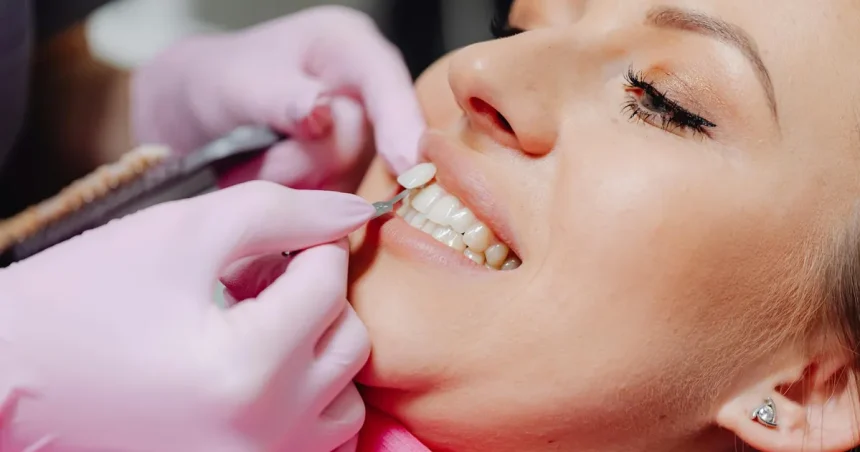
Natural ways to whiten teeth at home safely have become a game-changer for anyone tired of dull, stained smiles without the hefty price tag of professional treatments. Imagine sipping your morning coffee or enjoying a glass of red wine without the nagging worry about yellowing enamel. The good news? You don’t need harsh chemicals or expensive procedures to achieve a brighter grin. With simple, science-backed methods using ingredients you likely already have in your kitchen, you can gently lift stains and restore your teeth’s natural luster—all while protecting your enamel and gums. From oil pulling to baking soda pastes, these techniques aren’t just folklore; they’re rooted in dental science and centuries of traditional practices. The key is consistency, patience, and knowing which methods work best for your unique dental needs. Let’s dive into the most effective, dentist-approved strategies to whiten your teeth naturally, safely, and affordably.
What Are Natural Teeth Whitening Methods?
Natural teeth whitening methods are non-invasive techniques that use everyday ingredients to remove surface stains and brighten enamel without synthetic bleaching agents. These approaches typically rely on mild abrasives, enzymes, or pH-balancing properties found in foods like strawberries, baking soda, and coconut oil. Unlike commercial whitening strips or laser treatments, natural methods prioritize safety, affordability, and minimal side effects. They work by breaking down extrinsic stains—those caused by coffee, tea, wine, or smoking—while preserving the integrity of your tooth structure. However, it’s important to note that natural whitening won’t change the intrinsic color of your teeth (like deep discoloration from medication or aging), but it can significantly improve their appearance over time.
One of the biggest advantages of natural whitening is accessibility. You don’t need a dentist’s appointment or a prescription; most ingredients are already in your pantry. For example, baking soda’s mild alkalinity helps neutralize acids that erode enamel, while its gentle abrasiveness polishes away stains. Similarly, activated charcoal binds to plaque and toxins, lifting them from the tooth surface. But not all natural methods are created equal—some, like lemon juice, can do more harm than good due to their high acidity. The trick is choosing the right ingredients and using them correctly to avoid damaging your enamel or irritating your gums.
How Natural Whitening Differs from Professional Treatments

Professional whitening treatments, such as those performed in a dentist’s office, use high-concentration hydrogen peroxide or carbamide peroxide to penetrate the tooth enamel and break down deep stains. These treatments can lighten teeth by several shades in a single session but often come with side effects like sensitivity or gum irritation. Natural methods, on the other hand, work more gradually and superficially. They’re ideal for maintaining results after professional whitening or for those who prefer a gentler approach. While you won’t see dramatic results overnight, consistent use of natural remedies can yield noticeable improvements in 2–4 weeks.
Who Should Avoid Natural Whitening?
While natural whitening is generally safe, it’s not suitable for everyone. People with sensitive teeth, gum disease, or exposed roots should proceed with caution, as some ingredients (like baking soda or charcoal) can exacerbate discomfort. Pregnant or breastfeeding women should also consult their dentist before trying any whitening method, natural or otherwise. Additionally, if you have dental restorations like crowns or veneers, natural whitening won’t affect their color—only your natural teeth will lighten, which could lead to uneven results. Always patch-test new ingredients to rule out allergic reactions before applying them to your teeth.
Baking Soda: The Gentle Abrasive for Stain Removal
Baking soda, or sodium bicarbonate, is one of the most popular natural teeth whiteners—and for good reason. Its mild abrasive properties help scrub away surface stains caused by coffee, tea, or tobacco, while its alkaline nature neutralizes acids that contribute to enamel erosion. Studies have shown that toothpaste containing baking soda is more effective at removing plaque and whitening teeth than non-baking soda alternatives. The best part? It’s incredibly affordable and easy to use. You can create a simple paste by mixing a teaspoon of baking soda with a few drops of water, then brushing your teeth with it 2–3 times a week. Just be sure not to overdo it, as excessive use can wear down enamel over time.
For an extra boost, you can combine baking soda with other whitening agents like hydrogen peroxide (at a low concentration) or coconut oil. A 2017 study published in the Journal of the American Dental Association found that baking soda and hydrogen peroxide mixtures were effective at reducing plaque and gingivitis while whitening teeth. However, hydrogen peroxide should be used sparingly—no more than 3% concentration—and never swallowed. If you have sensitive teeth, stick to a baking soda and water paste to avoid irritation. After brushing, rinse your mouth thoroughly to remove any residue, as baking soda can leave a slightly salty taste.
How to Make a Baking Soda Whitening Paste

Creating a baking soda whitening paste is simple and takes less than a minute. Start with 1 teaspoon of baking soda in a small bowl. Add 2–3 drops of water and mix until it forms a thick, gritty paste. For added benefits, you can include a drop of peppermint essential oil for flavor or a teaspoon of coconut oil to enhance the paste’s texture. Apply the mixture to your toothbrush and brush gently in circular motions for 2 minutes, focusing on stained areas. Avoid scrubbing too hard, as this can damage enamel. Rinse your mouth thoroughly afterward, and follow up with your regular toothpaste to neutralize any remaining alkalinity.
Precautions When Using Baking Soda
While baking soda is safe for most people, there are a few precautions to keep in mind. First, limit its use to 2–3 times per week to prevent enamel erosion. Overuse can make teeth more susceptible to cavities and sensitivity. Second, avoid using baking soda if you have braces, crowns, or other dental work, as it can scratch or damage these materials. Third, if you experience any gum irritation or increased tooth sensitivity, discontinue use immediately and consult your dentist. Finally, never combine baking soda with acidic ingredients like lemon juice or vinegar, as this can create a harmful chemical reaction that weakens enamel. Stick to neutral or alkaline additives like water or coconut oil for the safest results.
Oil Pulling: Ancient Technique for a Brighter Smile
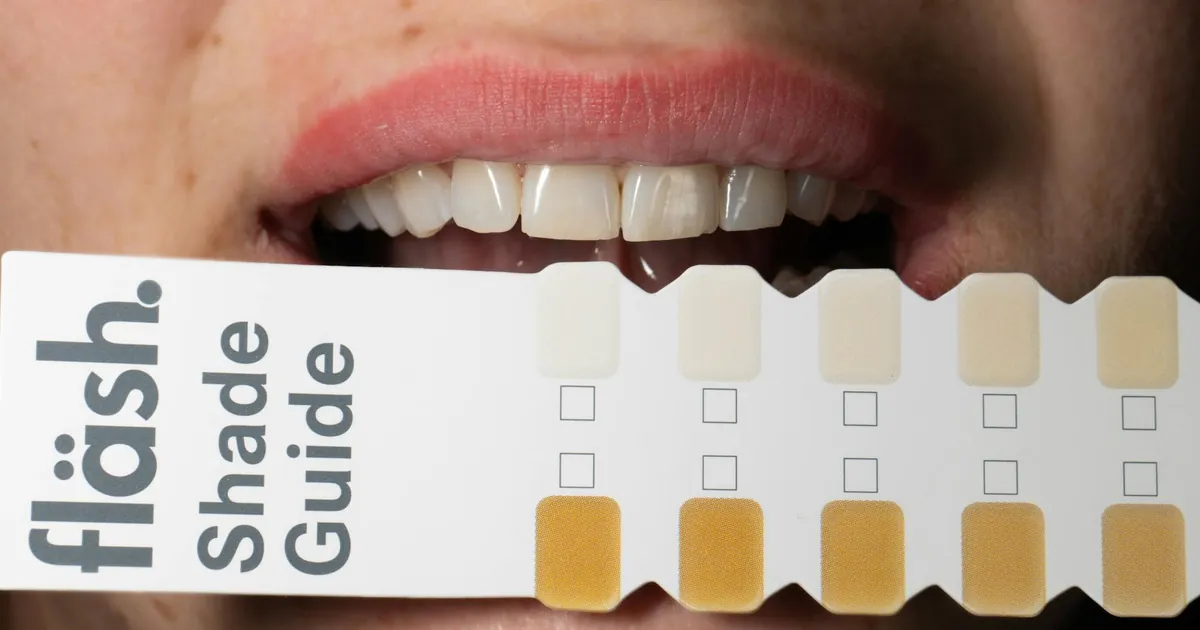
Oil pulling is an ancient Ayurvedic practice that involves swishing oil around your mouth to remove bacteria, plaque, and stains. While it’s not a substitute for brushing, it’s a powerful complementary technique for whitening teeth and improving oral health. The most commonly used oils are coconut, sesame, and sunflower oil, with coconut oil being the most popular due to its pleasant taste and antimicrobial properties. The process works by trapping bacteria and toxins in the oil, which are then expelled when you spit it out. Over time, this can reduce plaque buildup, freshen breath, and gradually whiten teeth by removing surface stains.
To try oil pulling, start with 1 tablespoon of coconut oil (it may be solid at room temperature, but it will melt in your mouth). Swish it around for 15–20 minutes, making sure to pull it through your teeth and around your gums. Avoid swallowing the oil, as it will contain bacteria and toxins. After spitting it out, rinse your mouth with warm water and brush your teeth as usual. For best results, do this 3–4 times a week, preferably in the morning before eating. While oil pulling won’t give you instant results, many people notice a difference in their teeth’s brightness and overall oral health after a few weeks of consistent use.
Why Coconut Oil Works Best for Oil Pulling
Coconut oil is the preferred choice for oil pulling because of its high lauric acid content, which has strong antimicrobial and anti-inflammatory properties. Lauric acid helps kill harmful bacteria in the mouth, including Streptococcus mutans, a primary cause of tooth decay and gum disease. Additionally, coconut oil has a mild, pleasant taste, making it more enjoyable to use than other oils like sesame or sunflower. A 2015 study published in the Journal of Traditional and Complementary Medicine found that oil pulling with coconut oil significantly reduced plaque and gingivitis in participants after just 30 days. Its ability to bind to bacteria and toxins makes it an effective natural whitener and oral cleanser.
Step-by-Step Guide to Oil Pulling
Oil pulling is simple, but there are a few key steps to follow for the best results. First, choose a high-quality, organic coconut oil to avoid pesticides or additives. Start with 1 tablespoon of oil and let it melt in your mouth if it’s solid. Swish the oil gently around your mouth, pulling it through your teeth and around your gums. Avoid gargling or swallowing the oil, as it will contain bacteria. Aim for 15–20 minutes of swishing—this gives the oil enough time to bind to toxins and plaque. If your jaw gets tired, take a short break and resume. Once you’re done, spit the oil into a trash can (not the sink, as it can clog pipes) and rinse your mouth with warm water. Finish by brushing your teeth as usual to remove any remaining oil residue.
Fruits and Vegetables That Naturally Whiten Teeth
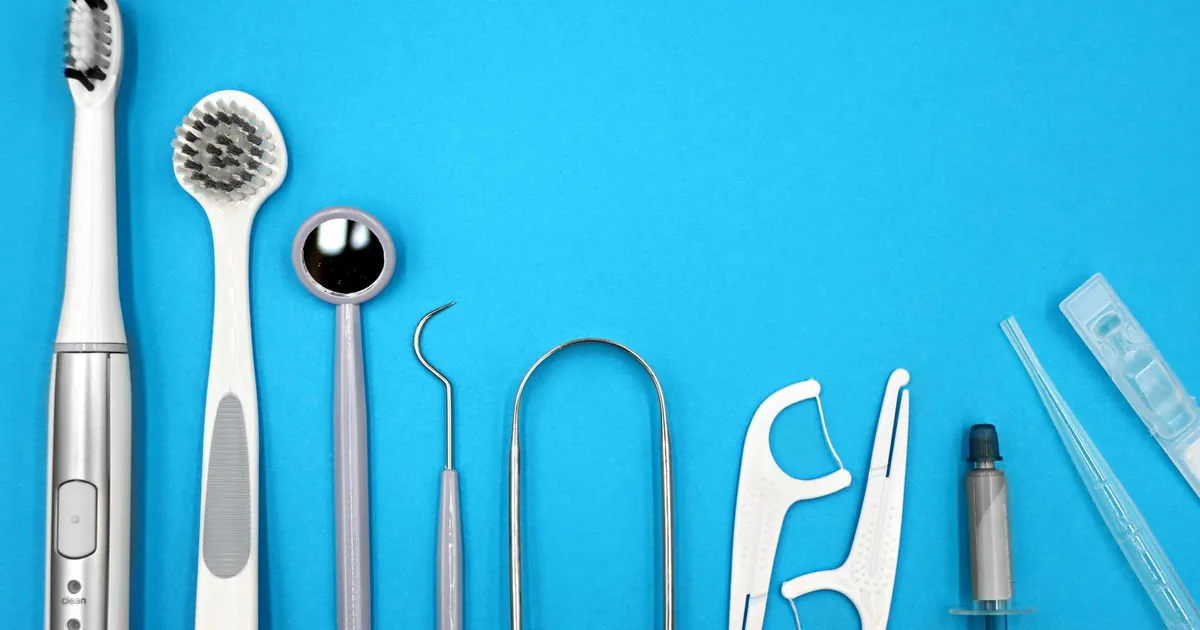
Certain fruits and vegetables contain natural enzymes and compounds that can help whiten teeth by breaking down stains and promoting saliva production. Crunchy fruits and veggies like apples, celery, and carrots act as natural toothbrushes, scrubbing away plaque and food particles as you chew. Meanwhile, fruits like strawberries and pineapples contain malic acid and bromelain, respectively, which have mild bleaching properties. However, it’s important to use these foods wisely—while they can help brighten your smile, some (like citrus fruits) are highly acidic and can erode enamel if overused. The key is to incorporate them into your diet in moderation and rinse your mouth with water afterward to neutralize acids.
Strawberries, in particular, have gained popularity as a natural whitening remedy. Their malic acid content helps dissolve surface stains, while their fiber acts as a gentle abrasive. To use strawberries for whitening, mash one ripe strawberry and mix it with a teaspoon of baking soda to create a paste. Apply the mixture to your teeth with a toothbrush, leave it on for 5 minutes, then rinse thoroughly. Be sure to brush your teeth with fluoride toothpaste afterward to remove any residual acid. While strawberries can help lighten stains, they shouldn’t be used more than once a week to avoid enamel damage.
Best Fruits for Teeth Whitening
Not all fruits are created equal when it comes to whitening teeth. Here are the top options to incorporate into your routine:
- Strawberries: Contain malic acid, which helps dissolve stains. Mash one and mix with baking soda for a whitening paste.
- Pineapple: Contains bromelain, an enzyme that breaks down plaque and stains. Eat fresh pineapple or use its juice as a mouth rinse.
- Apples: Their crunchy texture scrubs teeth, while their malic acid content helps whiten. Eat them raw for the best results.
- Oranges: The peel contains limonene, a compound that helps remove stains. Rub the inside of an orange peel on your teeth for a quick brightening boost.
While these fruits can help whiten teeth, they should be used in moderation to avoid acid erosion. Always rinse your mouth with water after consuming acidic foods, and wait at least 30 minutes before brushing to protect your enamel.
Vegetables That Promote a Whiter Smile
Vegetables aren’t just good for your body—they can also benefit your teeth. Here are the best options for natural whitening:
- Celery: Its high water content stimulates saliva production, which helps wash away stains and bacteria. Chew on raw celery sticks for a natural cleaning effect.
- Carrots: Like celery, carrots increase saliva flow and scrub away plaque. Their vitamin A content also strengthens tooth enamel.
- Broccoli: Contains iron, which helps protect enamel from acid erosion. Eat it raw for the best whitening benefits.
- Cauliflower: Its rough texture acts as a natural abrasive, scrubbing away surface stains as you chew.
Incorporating these vegetables into your diet can help maintain a brighter smile while improving your overall oral health. For an extra whitening boost, pair them with a natural whitening method like oil pulling or baking soda.
Activated Charcoal: Does It Really Work?
Activated charcoal has surged in popularity as a natural teeth whitening remedy, thanks to its ability to bind to toxins and stains. Made from coconut shells, wood, or other natural materials, activated charcoal is highly porous and acts like a magnet for plaque, bacteria, and surface stains. When used as a toothpaste or powder, it can help lift discoloration caused by coffee, tea, or wine. However, its effectiveness is still debated among dental professionals. While some studies suggest it can reduce plaque and whiten teeth, others warn that its abrasive nature may damage enamel if used too frequently.
To use activated charcoal for whitening, wet your toothbrush and dip it into a small amount of charcoal powder. Brush your teeth gently for 2 minutes, focusing on stained areas. Spit out the charcoal and rinse your mouth thoroughly until the water runs clear. Avoid swallowing the charcoal, as it can bind to medications or nutrients in your stomach. For best results, use activated charcoal 1–2 times a week. While it can produce noticeable results in a few uses, overuse can lead to enamel erosion and increased sensitivity. If you have sensitive teeth or gum issues, it’s best to avoid this method or consult your dentist first.
How Activated Charcoal Whitens Teeth
Activated charcoal works through a process called adsorption, where its porous surface binds to molecules, toxins, and stains. When applied to teeth, it attracts and traps plaque, bacteria, and surface stains, lifting them away when rinsed. Unlike bleaching agents, which penetrate the enamel, activated charcoal works on the surface, making it a gentler option for extrinsic stains. However, its abrasive texture means it should be used sparingly to avoid scratching enamel. A 2019 study in the Journal of Applied Oral Science found that activated charcoal toothpaste was effective at removing surface stains but noted that its long-term safety and efficacy require further research.
Risks and Side Effects of Activated Charcoal
While activated charcoal is generally safe for occasional use, it’s not without risks. Its abrasive nature can wear down enamel over time, leading to increased sensitivity and a higher risk of cavities. Additionally, charcoal particles can get lodged in fillings, crowns, or gum pockets, causing irritation or infection. Some people also experience temporary blackening of the gums or tongue, which usually fades after a few hours. To minimize risks, use activated charcoal no more than twice a week, and always follow up with a fluoride toothpaste to remineralize your teeth. If you experience persistent sensitivity or gum irritation, discontinue use and consult your dentist.
Hydrogen Peroxide: Safe Usage for Teeth Whitening
Hydrogen peroxide is a common ingredient in commercial whitening products, and it can also be used at home for natural teeth whitening. Its bleaching properties help break down stains and lighten the color of your enamel. However, it’s crucial to use it safely to avoid damaging your teeth or gums. The key is to use a low concentration (3% or less) and limit its use to 1–2 times a week. Higher concentrations or frequent use can lead to enamel erosion, gum irritation, and increased tooth sensitivity. For a safe at-home whitening solution, mix equal parts 3% hydrogen peroxide and water, then swish it around your mouth for 30–60 seconds before spitting it out. Rinse your mouth thoroughly with water afterward.
Another way to use hydrogen peroxide is as a mouthwash or in combination with baking soda. To make a whitening paste, mix 1 teaspoon of baking soda with a few drops of 3% hydrogen peroxide until it forms a thick consistency. Apply the paste to your teeth with a toothbrush, leave it on for 1–2 minutes, then rinse thoroughly. This method can help remove surface stains and brighten your smile, but it’s important not to leave the paste on for too long, as it can irritate your gums. Always patch-test hydrogen peroxide before using it to ensure you don’t have an adverse reaction.
How to Dilute Hydrogen Peroxide Properly
Using hydrogen peroxide at the correct concentration is essential for safe whitening. Most drugstores sell 3% hydrogen peroxide, which is safe for oral use when diluted. To create a mouthwash, mix equal parts 3% hydrogen peroxide and water. For example, combine 1 tablespoon of hydrogen peroxide with 1 tablespoon of water. Swish the solution around your mouth for 30–60 seconds, then spit it out and rinse thoroughly with water. Never swallow the solution, as it can cause stomach irritation. If you experience any burning or discomfort, discontinue use immediately and rinse your mouth with water.
Alternatives to Hydrogen Peroxide
If you’re concerned about the potential risks of hydrogen peroxide, there are safer alternatives for natural teeth whitening. One option is apple cider vinegar, which has mild bleaching properties but should be used sparingly due to its acidity. Dilute 1 teaspoon of apple cider vinegar in 1 cup of water and use it as a mouthwash 1–2 times a week. Another alternative is turmeric, which has anti-inflammatory and whitening properties. Mix 1 teaspoon of turmeric powder with a few drops of coconut oil to create a paste, then brush your teeth with it for 2 minutes. Rinse thoroughly afterward. While these alternatives are gentler, they may not be as effective as hydrogen peroxide for deep stains.
Key Takeaways for Safe Natural Teeth Whitening
- Natural teeth whitening methods use gentle, everyday ingredients to remove surface stains without harsh chemicals.
- Baking soda is a mild abrasive that polishes teeth and neutralizes acids, but it should be used no more than 2–3 times a week.
- Oil pulling with coconut oil reduces plaque and bacteria, promoting a brighter smile and better oral health.
- Fruits like strawberries and pineapples contain natural enzymes that help whiten teeth, but they should be used in moderation to avoid acid erosion.
- Activated charcoal binds to stains and toxins, but its abrasive nature requires cautious use to prevent enamel damage.
- Hydrogen peroxide can whiten teeth effectively, but it must be diluted and used sparingly to avoid irritation.
- Consistency is key—natural whitening methods take time to show results, so patience and regular use are essential.
- Always rinse your mouth after using acidic or abrasive ingredients to protect your enamel and gums.
“Natural teeth whitening methods can be effective for mild to moderate staining, but they require a balanced approach. Overusing abrasive ingredients like baking soda or activated charcoal can damage enamel, while acidic fruits like lemons can erode teeth if not rinsed properly. The best strategy is to combine natural whitening with good oral hygiene practices, such as brushing twice daily, flossing, and visiting your dentist regularly. For deep or intrinsic stains, professional treatments may be necessary, but natural methods are a great way to maintain a bright smile between visits.”
—Dr. Sarah Thompson, DDS, spokesperson for the American Dental Association
Frequently Asked Questions
How long does it take to see results with natural whitening?
Natural whitening methods typically take 2–4 weeks to show noticeable results, depending on the severity of your stains and the method you’re using. For example, oil pulling may take 3–4 weeks to brighten teeth, while baking soda or activated charcoal can produce results in as little as 1–2 weeks. Consistency is key—skipping days or overusing ingredients can slow down progress. If you don’t see any improvement after a month, your stains may be intrinsic (deep within the tooth), and you might need professional treatment.
Can natural whitening methods damage enamel?
Yes, some natural whitening methods can damage enamel if used incorrectly. Abrasive ingredients like baking soda or activated charcoal can wear down enamel over time, while acidic foods like lemon juice or vinegar can erode it. To minimize risks, limit abrasive methods to 2–3 times a week, rinse your mouth after using acidic ingredients, and avoid brushing immediately after consuming acidic foods. If you experience increased sensitivity or gum irritation, discontinue use and consult your dentist.
Are natural whitening methods safe for sensitive teeth?
Natural whitening methods can be safe for sensitive teeth if you choose the right ingredients and use them correctly. Avoid abrasive options like baking soda or activated charcoal, and opt for gentler methods like oil pulling or strawberry paste. If you have severe sensitivity, consult your dentist before trying any whitening method, as some ingredients can exacerbate discomfort. Using a fluoride toothpaste for sensitive teeth can also help protect your enamel and reduce sensitivity during whitening.
Can I use natural whitening methods with braces?
Most natural whitening methods are not recommended for people with braces, as they can damage brackets or wires. Abrasive ingredients like baking soda or activated charcoal can scratch the metal or ceramic components of braces, while acidic ingredients can weaken the adhesive holding them in place. If you have braces and want to whiten your teeth, focus on maintaining good oral hygiene and avoiding stain-causing foods like coffee or red wine. Once your braces are removed, you can use natural whitening methods to brighten your smile.
How often should I use natural whitening remedies?
The frequency of use depends on the method you’re using. For example, baking soda or activated charcoal should be used no more than 2–3 times a week, while oil pulling can be done 3–4 times a week. Hydrogen peroxide should be limited to 1–2 times a week, and acidic fruits like strawberries should be used no more than once a week. Overusing any whitening method can lead to enamel damage or increased sensitivity, so it’s important to follow the recommended guidelines for each ingredient.
Do natural whitening methods work on all types of stains?
Natural whitening methods are most effective on extrinsic stains—those caused by foods, drinks, or smoking. They can help lighten surface discoloration from coffee, tea, wine, or tobacco, but they won’t change the intrinsic color of your teeth. Intrinsic stains, which are caused by factors like aging, medication, or trauma, require professional treatment to address. If your teeth have deep or intrinsic stains, natural methods may not produce significant results, and you should consult your dentist for alternative options.
What’s the best natural whitening method for quick results?
If you’re looking for quick results, a combination of baking soda and hydrogen peroxide is one of the most effective natural whitening methods. Mix 1 teaspoon of baking soda with a few drops of 3% hydrogen peroxide to create a paste, then brush your teeth with it for 1–2 minutes. This method can produce noticeable results in as little as 1–2 weeks, but it should be used no more than twice a week to avoid enamel damage. For a gentler option, oil pulling with coconut oil can also brighten teeth within 3–4 weeks of consistent use.
Achieving a brighter smile doesn’t have to involve expensive treatments or harsh chemicals. By incorporating these natural whitening methods into your routine, you can safely and effectively lift stains while improving your overall oral health. Remember, the key to success is consistency and patience—natural methods take time to show results, but the payoff is a healthier, more radiant smile. Start with one or two methods that fit your lifestyle, and don’t forget to pair them with good oral hygiene practices like brushing, flossing, and regular dental checkups. Your teeth will thank you for the extra care, and you’ll feel more confident flashing your pearly whites every day. Ready to get started? Pick a method that appeals to you and commit to a 4-week trial—you might be surprised by how much brighter your smile can become.