


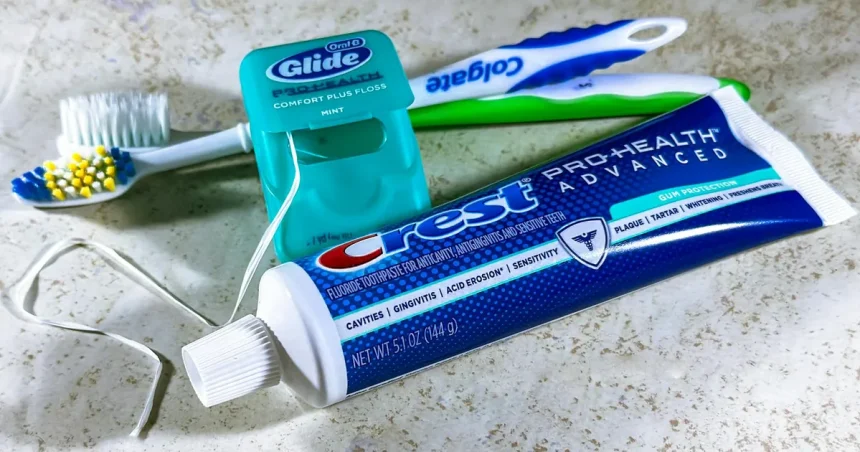
If you wince every time you sip hot coffee or bite into ice cream, you’re not alone—sensitive teeth affect nearly one in three adults at some point. That sharp, sudden pain isn’t just annoying; it’s your teeth’s way of sounding an alarm. The good news? You don’t always need a dentist’s drill to find relief. With the right at-home strategies, you can soothe sensitivity, protect your enamel, and reclaim your favorite foods without fear. Whether your discomfort stems from worn enamel, gum recession, or recent whitening treatments, this guide will walk you through proven, natural remedies and lifestyle tweaks to calm those jittery nerves in your teeth—no prescription required.
What Causes Sensitive Teeth? A Quick Overview
Sensitive teeth occur when the protective layer of enamel wears down or gums recede, exposing the underlying dentin. Dentin contains tiny tubules that lead directly to the tooth’s nerve center, which is why hot, cold, sweet, or acidic foods can trigger that familiar zing of pain. In just 40 words: Tooth sensitivity happens when dentin loses its protective shield, allowing external stimuli to irritate the nerve. Common culprits include aggressive brushing, acidic diets, teeth grinding, and gum disease.
But not all sensitivity is created equal. Some people experience temporary discomfort after a whitening session, while others battle chronic pain due to long-term enamel erosion. Understanding the root cause is the first step toward effective treatment. For instance, if you’ve recently had a dental procedure, your sensitivity might fade within a few days. However, if you’re dealing with receding gums or enamel loss, you’ll need a more targeted approach. This related article dives deeper into the triggers behind tooth pain and offers quick relief tips to bridge the gap until your next dental visit.
Common Triggers You Might Be Overlooking

You might be surprised by some of the everyday habits that contribute to sensitive teeth. Brushing too hard, for example, can wear down enamel over time, especially if you’re using a stiff-bristled toothbrush. Acidic foods and drinks—like citrus fruits, soda, and even wine—can also erode enamel, leaving your teeth more vulnerable. Even stress can play a role; many people clench or grind their teeth at night, a condition known as bruxism, which can lead to sensitivity and other dental issues.
Another often-overlooked trigger is overusing mouthwash. While it’s great for freshening breath, some brands contain alcohol or other harsh ingredients that can irritate exposed dentin. If you’re a frequent mouthwash user, consider switching to an alcohol-free version or limiting your use to once a day. Small changes like these can make a big difference in reducing discomfort over time.
When to See a Dentist
While at-home remedies can provide relief for mild sensitivity, there are times when professional intervention is necessary. If your pain is severe, persistent, or accompanied by swelling, it could signal a more serious issue like a cracked tooth, cavity, or infection. In these cases, delaying treatment can lead to further damage. A dentist can diagnose the underlying cause and recommend treatments like fluoride varnishes, dental bonding, or even a gum graft if recession is the culprit. If you’re unsure whether your sensitivity warrants a visit, this guide on what to expect during a dental cleaning can help ease any anxiety about scheduling an appointment.
Natural Remedies to Soothe Sensitive Teeth
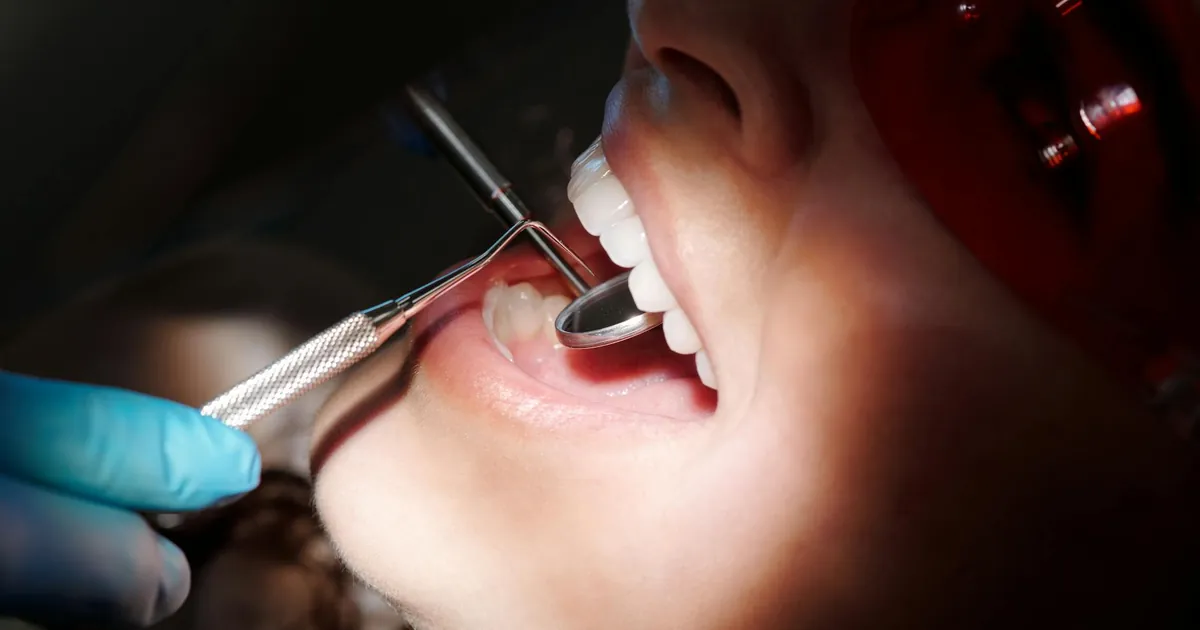
Nature offers a treasure trove of remedies to calm sensitive teeth, many of which you may already have in your kitchen. These solutions work by either desensitizing the nerves, strengthening enamel, or reducing inflammation. The best part? They’re gentle, affordable, and free from the harsh chemicals found in some commercial products. Let’s explore some of the most effective options.
One of the simplest and most effective remedies is saltwater rinses. Salt has natural antiseptic and anti-inflammatory properties, which can help reduce pain and swelling. To try this, dissolve half a teaspoon of salt in a cup of warm water and swish it around your mouth for 30 seconds before spitting it out. Do this twice a day, especially after meals, to keep sensitivity at bay. Another popular option is green tea, which contains antioxidants that can help strengthen teeth and reduce inflammation. Brew a cup, let it cool, and use it as a mouthwash once a day.
Herbal Solutions for Immediate Relief
If you’re looking for something a little stronger, consider clove oil. Clove has been used for centuries as a natural anesthetic, thanks to its active ingredient, eugenol, which numbs pain and reduces inflammation. To use it, dilute a drop of clove oil with a teaspoon of coconut oil (to prevent irritation) and apply it to the affected area with a cotton swab. Leave it on for a few minutes before rinsing your mouth with water. Be cautious not to overuse it, as too much can cause irritation.
Another herbal remedy worth trying is aloe vera gel. Known for its soothing properties, aloe vera can help reduce inflammation and promote healing. Apply a small amount of pure aloe vera gel to the sensitive areas of your teeth and gums, leave it on for a few minutes, then rinse. You can also mix aloe vera gel with a bit of coconut oil for added benefits. Just make sure to use a food-grade, pure aloe vera product to avoid any unwanted additives.
DIY Desensitizing Pastes
For a more hands-on approach, you can create your own desensitizing toothpaste at home. One popular recipe combines baking soda and water to form a paste. Baking soda is mildly abrasive, which helps remove surface stains and neutralize acids that can erode enamel. However, it’s important not to overuse it, as excessive scrubbing can worsen sensitivity. Use this paste once or twice a week, and always follow up with a fluoride rinse to protect your teeth.
Another effective DIY paste involves mixing a teaspoon of coconut oil with a pinch of turmeric. Turmeric has anti-inflammatory and antibacterial properties, while coconut oil helps reduce harmful bacteria in the mouth. Apply the mixture to your teeth, leave it on for a few minutes, then rinse thoroughly. This remedy not only soothes sensitivity but also promotes overall oral health. If you’re curious about other natural ways to care for your teeth, this article on safe teeth whitening at home offers additional tips to keep your smile bright and healthy.
Dietary Adjustments to Protect Your Teeth

What you eat plays a huge role in the health of your teeth, especially when it comes to sensitivity. Certain foods and drinks can either exacerbate the problem or help strengthen your enamel. The key is to focus on a balanced diet that supports oral health while avoiding triggers that can worsen sensitivity. Let’s break down the dos and don’ts of eating for sensitive teeth.
First, let’s talk about the foods to avoid. Acidic foods and drinks—like citrus fruits, tomatoes, soda, and wine—can erode enamel over time, making your teeth more sensitive. If you can’t give them up entirely, try to consume them in moderation and rinse your mouth with water afterward to neutralize the acids. Sugary foods are another culprit, as they feed the bacteria in your mouth that produce enamel-damaging acids. Even seemingly healthy snacks like dried fruit can stick to your teeth and contribute to decay.
Foods That Strengthen Enamel
On the flip side, some foods can actually help strengthen your enamel and reduce sensitivity. Dairy products like milk, cheese, and yogurt are rich in calcium and phosphates, which help remineralize teeth and protect against acid attacks. Leafy greens, such as spinach and kale, are packed with vitamins and minerals that support gum health and reduce inflammation. Crunchy fruits and vegetables like apples, carrots, and celery can also help by stimulating saliva production, which naturally cleanses your mouth and neutralizes acids.
Another enamel-friendly food is fatty fish, like salmon and mackerel, which are high in vitamin D and omega-3 fatty acids. These nutrients help reduce inflammation and support overall oral health. If you’re not a fan of fish, consider adding flaxseeds or chia seeds to your diet for a plant-based source of omega-3s. And don’t forget about water! Staying hydrated is essential for maintaining a healthy saliva flow, which helps protect your teeth from sensitivity and decay.
Timing Matters: When to Eat and Drink
It’s not just what you eat that matters—when you eat can also impact your teeth’s sensitivity. For example, sipping on acidic drinks like orange juice or soda throughout the day exposes your teeth to a constant barrage of acids, increasing the risk of enamel erosion. Instead, try to consume these drinks with meals, when your saliva production is higher and better able to neutralize the acids. Similarly, snacking frequently can lead to more acid attacks on your teeth, so it’s best to stick to three meals a day and limit snacks to tooth-friendly options like cheese or nuts.
If you do indulge in something acidic or sugary, wait at least 30 minutes before brushing your teeth. Brushing too soon can actually damage your enamel, as the acids soften it temporarily. Instead, rinse your mouth with water or chew sugar-free gum to help neutralize the acids and stimulate saliva flow. These small adjustments can go a long way in protecting your teeth from sensitivity.
Oral Hygiene Habits for Sensitive Teeth
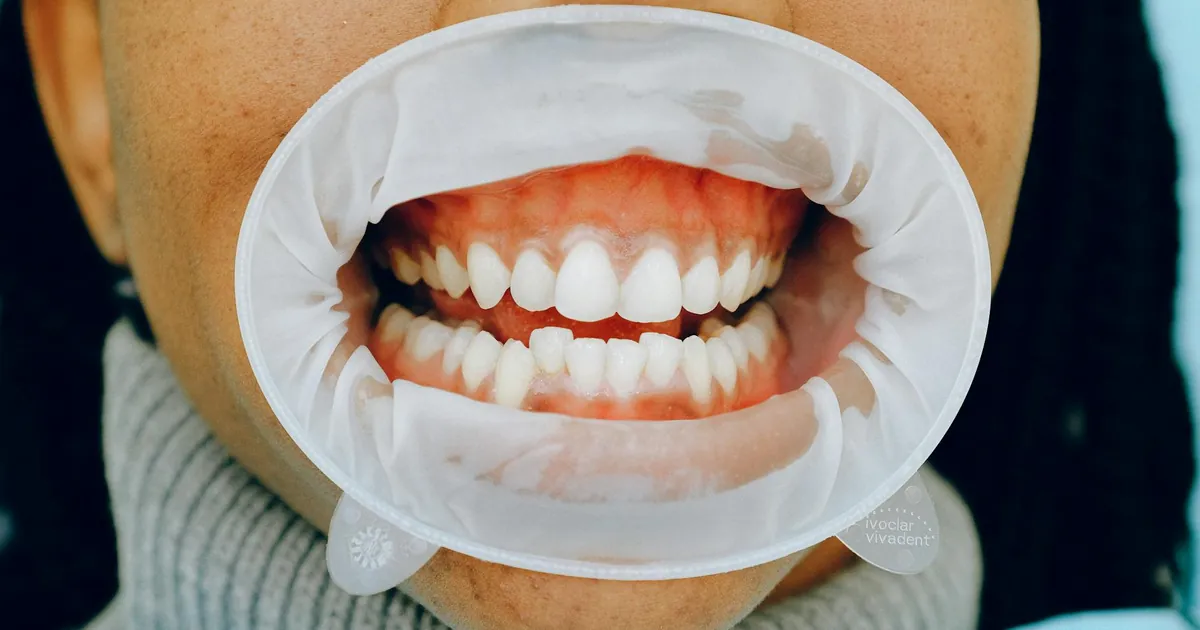
Your daily oral hygiene routine can either help or hurt your sensitive teeth, depending on the products and techniques you use. The goal is to clean your teeth effectively without causing further damage to your enamel or gums. This means choosing the right toothbrush, toothpaste, and brushing technique, as well as incorporating additional tools like floss and mouthwash into your routine. Let’s dive into the best practices for keeping your teeth clean and comfortable.
First and foremost, switch to a soft-bristled toothbrush if you haven’t already. Hard or even medium bristles can be too abrasive, especially if you brush with a lot of pressure. Soft bristles are gentle on your enamel and gums while still effectively removing plaque. Electric toothbrushes can also be a great option, as they often come with pressure sensors that alert you if you’re brushing too hard. When it comes to technique, use gentle, circular motions instead of scrubbing back and forth, which can wear down enamel and cause gum recession.
Choosing the Right Toothpaste
Not all toothpastes are created equal, especially when it comes to sensitive teeth. Look for a toothpaste specifically designed for sensitivity, which typically contains ingredients like potassium nitrate or strontium chloride. These compounds work by blocking the tiny tubules in your dentin, reducing the pain signals sent to your nerves. Fluoride is another key ingredient to look for, as it helps strengthen enamel and protect against decay. If you’re unsure which toothpaste to choose, ask your dentist for a recommendation based on your specific needs.
Avoid whitening toothpastes, as they often contain abrasive ingredients that can worsen sensitivity. Instead, opt for a gentle, fluoride-rich formula that focuses on protecting your enamel. If you’re interested in whitening your teeth safely, this article offers natural alternatives that won’t aggravate sensitivity. Remember, consistency is key—use your sensitivity toothpaste twice a day for at least two weeks to see noticeable results.
Additional Tools for a Gentle Clean

Brushing alone isn’t enough to keep your teeth and gums healthy. Flossing is essential for removing plaque and food particles from between your teeth, where your toothbrush can’t reach. If traditional floss is too harsh on your gums, try a water flosser or interdental brushes, which are gentler and just as effective. Mouthwash can also be a helpful addition to your routine, but as mentioned earlier, choose an alcohol-free version to avoid irritation.
Another tool to consider is a tongue scraper. Bacteria on your tongue can contribute to bad breath and even tooth decay, so cleaning it regularly can improve your overall oral health. If you’re prone to grinding your teeth at night, talk to your dentist about a custom mouthguard. This can help protect your teeth from further damage and reduce sensitivity caused by bruxism. By incorporating these tools into your routine, you’ll be well on your way to a healthier, more comfortable smile.
Lifestyle Changes to Reduce Sensitivity
Sometimes, the key to managing sensitive teeth lies in making small but impactful changes to your daily habits. From how you sleep to how you manage stress, these lifestyle tweaks can help reduce discomfort and protect your teeth in the long run. Let’s explore some of the most effective adjustments you can make to keep sensitivity at bay.
One of the biggest culprits behind sensitive teeth is teeth grinding, or bruxism. Many people grind their teeth at night without even realizing it, which can wear down enamel and lead to sensitivity. If you suspect you’re a grinder, talk to your dentist about a custom nightguard. This simple device can protect your teeth while you sleep and significantly reduce discomfort. Stress management techniques, like meditation or deep breathing exercises, can also help, as stress is a common trigger for bruxism.
Breaking Bad Habits
Certain habits can exacerbate tooth sensitivity, and breaking them can make a world of difference. For example, chewing on ice or using your teeth to open packages can cause microfractures in your enamel, leading to increased sensitivity. Similarly, smoking or using tobacco products can irritate your gums and contribute to recession, exposing the sensitive roots of your teeth. If you’re a smoker, quitting can improve not only your oral health but your overall well-being.
Another habit to watch out for is overusing whitening products. While a brighter smile is appealing, many over-the-counter whitening kits contain harsh chemicals that can strip away enamel and worsen sensitivity. If you’re determined to whiten your teeth, opt for a gentler approach, like baking soda or activated charcoal, and always follow the instructions carefully. For more tips on safe whitening, check out this guide.
Protecting Your Teeth During Sleep
Your sleeping habits can also impact your teeth’s sensitivity. If you sleep on your side or stomach, you might be putting extra pressure on your jaw, which can contribute to grinding. Try sleeping on your back to reduce this pressure and give your jaw a break. Additionally, if you suffer from acid reflux, stomach acids can erode your enamel while you sleep. Elevating your head with an extra pillow can help prevent this, as can avoiding heavy meals or acidic foods before bedtime.
Another simple but effective change is to drink more water throughout the day. Staying hydrated helps maintain a healthy saliva flow, which is essential for neutralizing acids and protecting your teeth. If you wake up with a dry mouth, consider using a humidifier in your bedroom to add moisture to the air. These small adjustments can make a big difference in reducing sensitivity and improving your overall oral health.
Key Takeaways
- Sensitive teeth occur when dentin loses its protective enamel or gums recede, exposing nerve endings to triggers like hot, cold, or sweet foods.
- Natural remedies like saltwater rinses, clove oil, and aloe vera can provide immediate relief by reducing inflammation and desensitizing nerves.
- Diet plays a crucial role—avoid acidic and sugary foods, and opt for enamel-strengthening options like dairy, leafy greens, and fatty fish.
- Use a soft-bristled toothbrush and sensitivity-specific toothpaste to clean your teeth gently without causing further damage.
- Lifestyle changes, such as managing stress, quitting smoking, and wearing a nightguard, can significantly reduce sensitivity over time.
- If sensitivity persists or worsens, consult a dentist to rule out underlying issues like cavities, cracks, or gum disease.
- Consistency is key—stick to your at-home treatments and oral hygiene routine for long-term relief.
“Tooth sensitivity is often a sign that your enamel is compromised, but the good news is that many cases can be managed with simple at-home care. The key is to identify the triggers and address them early. For example, if you notice sensitivity after whitening, switch to a gentler product and use a fluoride rinse to remineralize your teeth. And don’t underestimate the power of a soft-bristled toothbrush—it’s one of the easiest ways to protect your enamel and reduce discomfort.”
—Dr. Sarah Thompson, DDS, Board-Certified Periodontist
Frequently Asked Questions
Can sensitive teeth heal on their own?
In some cases, yes. If your sensitivity is caused by a temporary issue like recent dental work or a minor enamel abrasion, it may improve on its own within a few days or weeks. However, if the underlying cause is enamel erosion or gum recession, professional treatment may be necessary to prevent further damage. Using desensitizing toothpaste and avoiding triggers can help speed up the healing process.
How long does it take for desensitizing toothpaste to work?
Most desensitizing toothpastes take about two to four weeks of consistent use to show noticeable results. These toothpastes work by blocking the tubules in your dentin, which reduces the pain signals sent to your nerves. For best results, use the toothpaste twice a day and avoid rinsing your mouth with water after brushing, as this can wash away the active ingredients.
Is it safe to use baking soda for sensitive teeth?
Baking soda can be safe for sensitive teeth if used correctly, but it’s important not to overdo it. Baking soda is mildly abrasive, which can help remove surface stains, but excessive use can wear down enamel and worsen sensitivity. Limit its use to once or twice a week, and always follow up with a fluoride rinse to protect your teeth. If you’re unsure, consult your dentist for personalized advice.
Can I still whiten my teeth if they’re sensitive?
Yes, but you’ll need to take extra precautions. Many whitening products contain harsh chemicals that can exacerbate sensitivity, so opt for gentler alternatives like baking soda or activated charcoal. You can also try whitening strips or gels specifically designed for sensitive teeth. Always follow the instructions carefully, and consider using a desensitizing toothpaste before and after whitening to minimize discomfort. For more tips, check out this guide on safe teeth whitening.
Why do my teeth hurt when I eat sweets?
If your teeth hurt when you eat sweets, it’s likely because the sugar is triggering the nerves in your exposed dentin. This is a common sign of tooth decay or enamel erosion. To reduce discomfort, try cutting back on sugary foods and drinks, and rinse your mouth with water after consuming them. Using a fluoride mouthwash can also help strengthen your enamel and protect against sensitivity.
What’s the best mouthwash for sensitive teeth?
The best mouthwash for sensitive teeth is one that’s alcohol-free and contains fluoride. Alcohol can dry out your mouth and irritate exposed dentin, while fluoride helps strengthen enamel and protect against decay. Look for a mouthwash specifically designed for sensitivity, and use it once a day after brushing. If you’re unsure which product to choose, ask your dentist for a recommendation.
Can stress cause tooth sensitivity?
Yes, stress can contribute to tooth sensitivity in several ways. For one, it can lead to teeth grinding or clenching, which wears down enamel and exposes dentin. Stress can also weaken your immune system, making you more susceptible to gum disease, which can cause recession and sensitivity. Managing stress through techniques like meditation, exercise, or deep breathing can help reduce these effects and improve your overall oral health.
Dealing with sensitive teeth doesn’t have to mean giving up your favorite foods or living in constant discomfort. By understanding the causes, making smart dietary choices, and adopting gentle oral hygiene habits, you can take control of your sensitivity and enjoy a pain-free smile. Start with one or two of the remedies or lifestyle changes mentioned here, and give them time to work—consistency is key. If your sensitivity persists or worsens, don’t hesitate to reach out to your dentist for a professional evaluation. Your teeth deserve the best care, and with the right approach, you can keep them healthy and happy for years to come.