
A daily oral hygiene routine isn’t just about flashing a bright smile—it’s your first line of defense against cavities, gum disease, and even systemic health issues like heart disease. While most people know they should brush and floss, the devil is in the details: timing, technique, and the often-overlooked tools that make all the difference. Whether you’re a busy parent juggling family dental care or someone who’s struggled with sensitivity, this guide will transform your approach from mundane to masterful. We’ll dive beyond the basics, exploring how saliva, diet, and even your toothbrush’s bristles play starring roles in keeping your teeth healthy for life.
What Is a Daily Oral Hygiene Routine?
A daily oral hygiene routine is a structured set of practices performed every morning and night to remove plaque, prevent tooth decay, and maintain gum health. It typically includes brushing, flossing, tongue cleaning, and rinsing with mouthwash, but the most effective routines are personalized to address individual needs like sensitivity, braces, or dry mouth. Consistency is key—skipping even one day can allow harmful bacteria to multiply, leading to bad breath, cavities, or gingivitis.
Think of your mouth as a bustling ecosystem. Every time you eat, bacteria feed on sugars and starches, producing acids that erode tooth enamel. A well-designed routine disrupts this process, neutralizing acids and removing food particles before they become a buffet for bacteria. But it’s not just about what you do—it’s about how you do it. For example, brushing too hard can damage gums, while flossing incorrectly may leave plaque behind. The right routine balances thoroughness with gentleness, ensuring long-term protection without causing harm.
The Science Behind Plaque and Why It Matters
Plaque is a sticky, colorless film of bacteria that forms on teeth within hours of eating. If not removed, it hardens into tartar—a calcified substance that only a dentist can scrape away. The real danger lies in plaque’s byproducts: acids that demineralize enamel and toxins that irritate gums, leading to inflammation and periodontal disease. Research from the National Institute of Dental and Craniofacial Research shows that gum disease is linked to serious conditions like diabetes and Alzheimer’s, making plaque control non-negotiable.
But here’s the good news: plaque is reversible with the right habits. Brushing twice daily with fluoride toothpaste disrupts its formation, while flossing reaches the 40% of tooth surfaces your brush can’t. Even your diet plays a role—crunchy fruits and vegetables like apples and carrots act as natural scrubbers, while dairy products help neutralize acids. The key is to act before plaque hardens. Once it becomes tartar, you’re on a fast track to cavities and gum recession, which is why timing your routine matters just as much as the tools you use.
How Saliva Protects Your Teeth
Saliva is your mouth’s unsung hero. It contains minerals like calcium and phosphate that remineralize enamel, enzymes that break down food particles, and antibacterial compounds that fight harmful microbes. People with dry mouth (xerostomia) are at higher risk for cavities because their saliva can’t perform these protective functions. If you wake up with a parched mouth, try sipping water throughout the day, chewing sugar-free gum, or using a humidifier at night. Some medications, like antihistamines and antidepressants, reduce saliva flow, so talk to your dentist about alternatives if this affects you.
The Role of pH in Oral Health
Your mouth’s pH level fluctuates with every sip of coffee, bite of candy, or swish of mouthwash. A neutral pH (around 7) keeps enamel safe, but acidic foods and drinks—like soda, citrus fruits, and wine—lower it, creating an environment where bacteria thrive. To counteract this, wait 30 minutes after eating before brushing (brushing too soon can damage softened enamel) and rinse with water to restore balance. Baking soda rinses (1 teaspoon in warm water) can also help neutralize acids, but use them sparingly to avoid disrupting your mouth’s natural flora.
Step-by-Step Morning Routine for Healthy Teeth
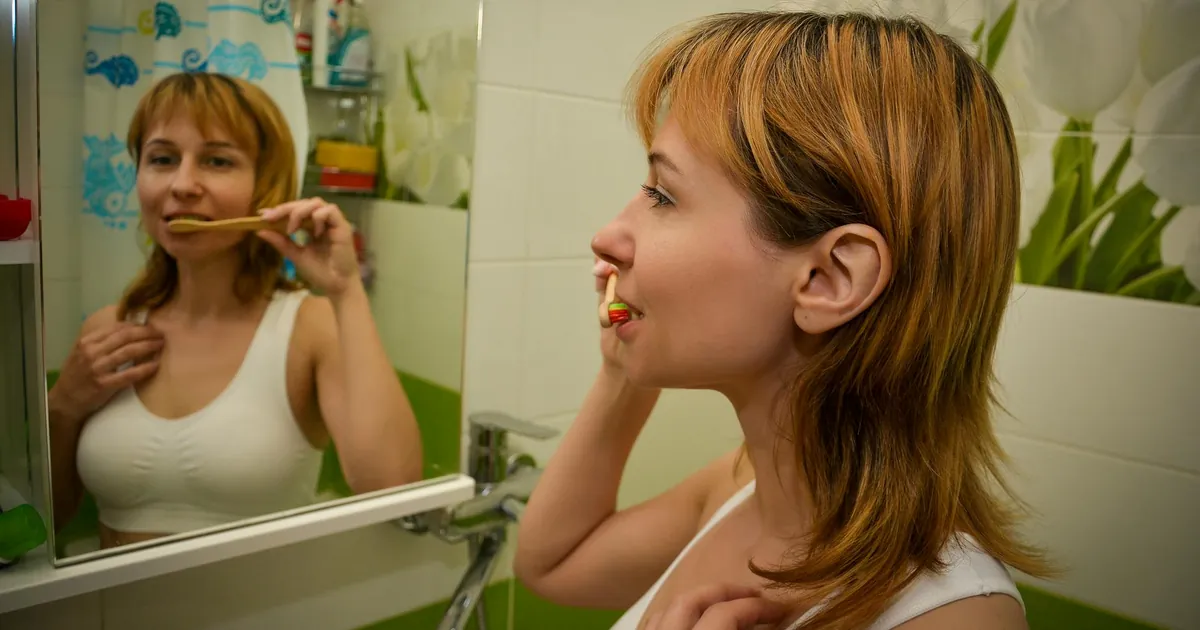
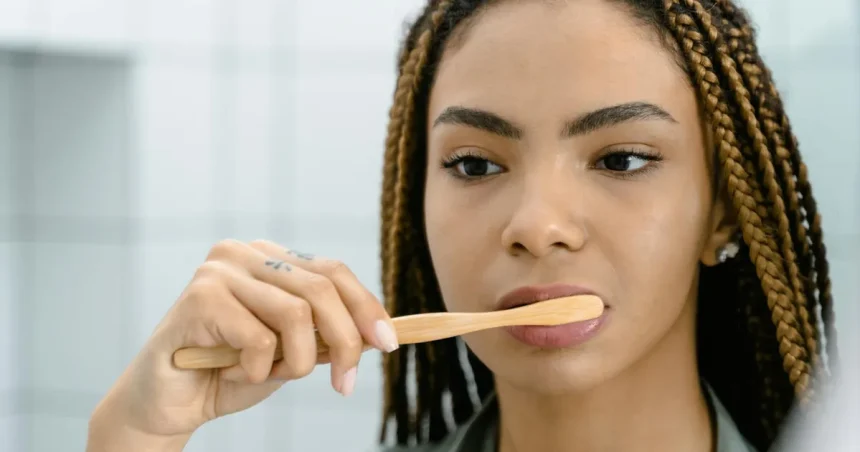
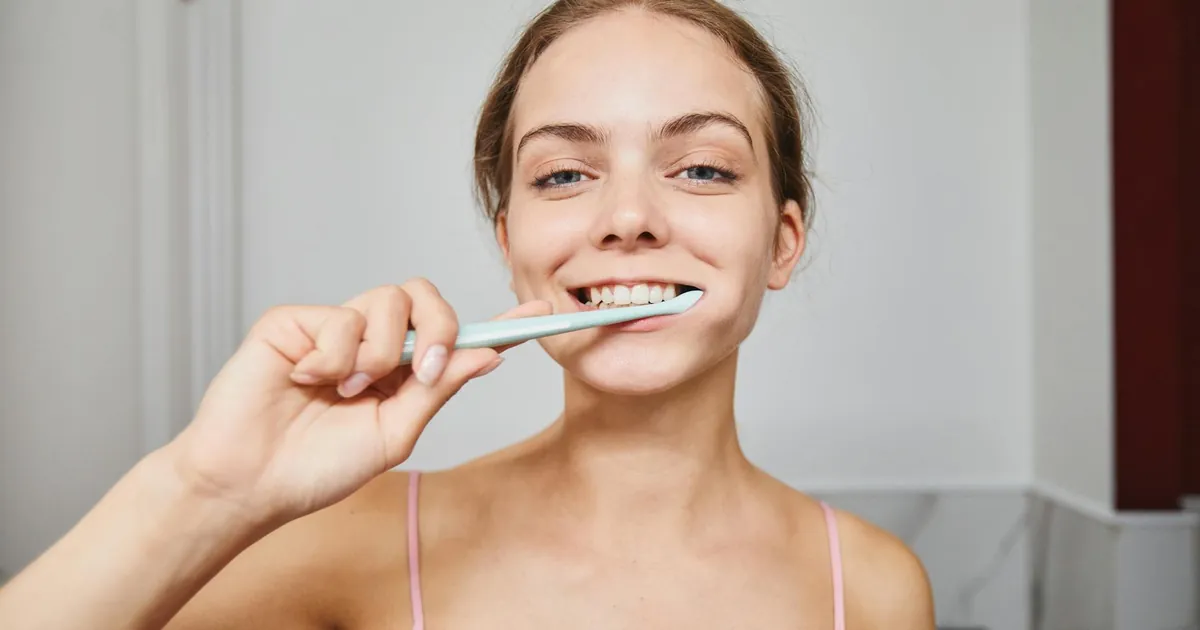
Your morning routine sets the tone for the day. Start by drinking a glass of water to rehydrate and rinse away overnight bacteria. Then, grab a soft-bristled toothbrush and fluoride toothpaste. Angle the brush at 45 degrees to your gums and use gentle, circular motions for two minutes—don’t forget the inner surfaces and your tongue. Many people rush this step, but thoroughness matters more than speed. If you’re using an electric toothbrush, let it do the work; just guide it along each tooth’s surface.
After brushing, floss to remove debris between teeth. Wrap the floss around each tooth in a C-shape and slide it gently under the gumline. If traditional floss is tricky, try interdental brushes or water flossers. Finish with an alcohol-free mouthwash to kill lingering bacteria and freshen breath. Pro tip: Wait 30 minutes after breakfast to brush if you’ve had acidic foods like orange juice, as brushing too soon can erode enamel. Instead, rinse with water or chew sugar-free gum to stimulate saliva and neutralize acids.
Why You Should Brush Before Breakfast
Brushing before breakfast might feel counterintuitive, but it’s a game-changer. Overnight, bacteria multiply in your mouth, and brushing first thing removes this buildup before you introduce food. This prevents bacteria from feeding on your breakfast and producing acids that attack enamel. If you prefer brushing after eating, wait at least 30 minutes to avoid damaging softened enamel. For those who can’t skip post-breakfast brushing, rinse with water first to wash away food particles and reduce acidity.
The Best Toothpaste Ingredients for Your Needs

Not all toothpastes are created equal. For cavity protection, look for fluoride (1,350–1,500 ppm for adults). If you have sensitive teeth, potassium nitrate or strontium chloride can block pain signals. Whitening toothpastes often contain abrasives like silica or baking soda, which can wear down enamel over time—use them sparingly. For gum health, consider toothpastes with stannous fluoride or triclosan (though the latter is controversial and banned in some countries). Always check for the American Dental Association (ADA) Seal of Acceptance to ensure safety and efficacy.
Nighttime Oral Care: Why It’s Non-Negotiable
Your nighttime routine is arguably more important than your morning one. While you sleep, saliva production slows, leaving your teeth vulnerable to acid attacks. Skipping nighttime brushing and flossing allows plaque to harden into tartar, which can lead to gum disease and cavities. Start by brushing for two minutes with fluoride toothpaste, paying extra attention to the gumline and hard-to-reach molars. Follow up with flossing—this is when you’re most likely to have food particles trapped from dinner.
If you’re prone to dry mouth, consider a humidifier in your bedroom or a saliva substitute. For those with braces, use interdental brushes to clean around wires and brackets. Finish with a fluoride mouthwash to strengthen enamel overnight. Avoid eating or drinking anything except water after your routine to give your teeth a full 7–8 hours of protection. If you’re tempted to skip this step, remember: one night of neglect can undo days of good habits.
How to Floss Like a Pro
Flossing isn’t just about sliding string between your teeth—it’s about technique. Break off about 18 inches of floss and wind most of it around your middle fingers, leaving 1–2 inches to work with. Hold the floss taut between your thumbs and index fingers, then gently guide it between teeth using a sawing motion. Curve the floss around each tooth in a C-shape and slide it under the gumline. Use a clean section of floss for each tooth to avoid transferring bacteria. If your gums bleed, don’t panic—this usually means you need to floss more, not less. With consistent practice, bleeding should stop within a week.
The Truth About Mouthwash

Mouthwash isn’t a substitute for brushing and flossing, but it can be a valuable addition to your routine. Alcohol-free formulas are gentler on gums and less likely to cause dry mouth. Look for mouthwashes with fluoride to strengthen enamel or cetylpyridinium chloride (CPC) to reduce plaque. If you have gum disease, a rinse with chlorhexidine (available by prescription) can help, but use it sparingly—it can stain teeth with prolonged use. Swish for 30 seconds, then spit; don’t rinse with water afterward to let the active ingredients work. For a natural alternative, try a saltwater rinse (1/2 teaspoon salt in warm water) to soothe inflamed gums.
Tools and Gadgets That Elevate Your Routine
Your toothbrush is your most important tool, but not all are created equal. Manual brushes with soft, rounded bristles are effective if used correctly, but electric toothbrushes (especially oscillating-rotating models) remove up to 21% more plaque, according to a Cochrane Review. Look for one with a pressure sensor to prevent overbrushing. Tongue scrapers, made of metal or plastic, remove bacteria that cause bad breath—use them after brushing for fresher breath.
For flossing, water flossers are a game-changer for people with braces, implants, or dexterity issues. They use a stream of water to clean between teeth and below the gumline, reducing gingivitis by up to 50% compared to string floss. Interdental brushes are another great option for larger gaps. Don’t forget to replace your toothbrush (or electric brush head) every 3–4 months, or sooner if the bristles fray. A frayed brush is less effective and can harbor bacteria.
Electric vs. Manual Toothbrushes: Which Wins?
Electric toothbrushes have a slight edge over manual ones, but the best brush is the one you’ll use consistently. Electric models are ideal for people with limited mobility, braces, or a tendency to brush too hard. They also make it easier to hit the two-minute mark—many have built-in timers. However, manual brushes can be just as effective if you use the right technique. The key is to brush gently in small circles, covering all surfaces. If you opt for a manual brush, choose one with a small head to reach back teeth and soft bristles to protect gums.
DIY Oral Care Hacks You Haven’t Tried

You don’t need expensive gadgets to upgrade your routine. Try oil pulling with coconut oil (swish 1 tablespoon for 10–15 minutes, then spit) to reduce bacteria—studies suggest it can lower plaque levels. For a natural whitening boost, brush with baking soda once a week (but don’t overdo it, as it’s abrasive). If you’re prone to canker sores, rinse with aloe vera juice to soothe irritation. And if you forget to floss, keep interdental picks in your car or desk for on-the-go cleaning. These small tweaks can make a big difference in your oral health without breaking the bank.
Diet and Habits That Sabotage Your Teeth
What you eat and drink has a direct impact on your teeth. Sugary and starchy foods feed bacteria, leading to acid attacks that erode enamel. Soda is especially harmful—even diet versions are acidic enough to weaken teeth. Coffee and red wine stain enamel, while citrus fruits and vinegar can cause erosion. To protect your teeth, limit snacking between meals to give saliva time to neutralize acids. If you do indulge, rinse with water afterward and wait 30 minutes before brushing.
Habits like smoking, nail-biting, and using your teeth as tools (to open bottles, for example) can also damage teeth. Smoking stains teeth and increases the risk of gum disease and oral cancer. Nail-biting can chip enamel and introduce bacteria into your mouth. If you grind your teeth at night (bruxism), talk to your dentist about a custom mouthguard to prevent wear and tear. Even seemingly harmless habits, like chewing ice, can cause microfractures in enamel over time.
Foods That Strengthen Teeth Naturally
Your diet can be a powerful ally in oral health. Dairy products like cheese and yogurt are rich in calcium and phosphate, which remineralize enamel. Crunchy fruits and vegetables (apples, carrots, celery) stimulate saliva and scrub teeth naturally. Leafy greens like spinach and kale are high in vitamins and minerals that support gum health. Nuts and seeds provide healthy fats and protein, while green tea contains catechins that fight bacteria. For a tooth-friendly snack, try cheese with apples or almonds with dark chocolate (70% cocoa or higher).
How Hydration Affects Oral Health
Water is the unsung hero of oral health. It rinses away food particles, dilutes acids, and keeps saliva flowing. Dehydration reduces saliva production, increasing the risk of cavities and bad breath. Aim for at least eight glasses of water a day, and sip throughout the day rather than chugging it all at once. If you drink bottled water, check the label—some brands lack fluoride, which is essential for cavity prevention. For an extra boost, add a slice of lemon or cucumber to your water for flavor without the acidity of citrus juices.
Key Takeaways
- Brush twice daily for two minutes with fluoride toothpaste, using gentle circular motions.
- Floss daily to remove plaque between teeth and under the gumline—bleeding gums mean you need to floss more, not less.
- Wait 30 minutes after eating acidic foods before brushing to protect enamel.
- Use an alcohol-free mouthwash to kill bacteria without drying out your mouth.
- Replace your toothbrush (or electric brush head) every 3–4 months or when bristles fray.
- Limit sugary and acidic foods, and rinse with water after eating to neutralize acids.
- Visit your dentist every six months for checkups and professional cleanings.
- Hydrate well to maintain saliva flow, which protects teeth and gums.
Expert Insights
“A daily oral hygiene routine is like a savings account for your teeth—small, consistent deposits pay off in a lifetime of health. Most people focus on brushing, but flossing and diet are just as critical. For example, drinking water with meals can reduce cavity risk by up to 60% compared to sugary drinks. And don’t underestimate the power of saliva—it’s your mouth’s natural defense system. If you’re not producing enough, talk to your dentist about solutions like saliva substitutes or prescription-strength fluoride toothpaste.”
—Dr. Maria Lopez, DDS, spokesperson for the American Dental Association
Frequently Asked Questions
How often should I replace my toothbrush?
Replace your toothbrush or electric brush head every 3–4 months, or sooner if the bristles become frayed. A worn-out brush is less effective at removing plaque and can harbor bacteria. If you’ve been sick, replace your toothbrush immediately to avoid reinfection. For electric toothbrushes, check the manufacturer’s guidelines—some models have indicator bristles that fade when it’s time for a replacement.
Is mouthwash necessary if I brush and floss?
Mouthwash isn’t a substitute for brushing and flossing, but it can enhance your routine. Fluoride mouthwashes strengthen enamel, while antibacterial rinses reduce plaque and gingivitis. If you have dry mouth, alcohol-free formulas are gentler. However, mouthwash isn’t necessary for everyone—if you brush and floss effectively, you may not need it. Talk to your dentist about whether a mouthwash would benefit your specific needs.
Can I use baking soda to whiten my teeth?
Baking soda can help remove surface stains, but it’s abrasive and should be used sparingly. Brushing with baking soda once a week can brighten teeth, but overuse can wear down enamel. For safer whitening, try whitening toothpaste with the ADA Seal of Acceptance or consult your dentist about professional treatments. Avoid DIY whitening hacks like lemon juice or hydrogen peroxide—they can damage enamel and increase sensitivity.
What’s the best way to clean my tongue?
Cleaning your tongue removes bacteria that cause bad breath and improves taste. Use a tongue scraper or the back of your toothbrush to gently scrape from the back of your tongue to the front. Rinse the scraper after each pass. If you don’t have a scraper, brush your tongue with toothpaste. Avoid pressing too hard—your tongue is delicate and can become irritated. For a deeper clean, use a mouthwash with antibacterial properties afterward.
How do I know if I’m brushing too hard?
Brushing too hard can damage gums and enamel, leading to sensitivity and recession. Signs you’re overdoing it include frayed bristles, receding gums, or tooth sensitivity. To avoid this, use a soft-bristled brush and let the bristles do the work—don’t scrub. Electric toothbrushes with pressure sensors can help by alerting you when you’re pressing too hard. If you notice gum recession or sensitivity, switch to a gentler technique and talk to your dentist about desensitizing toothpaste.
Are water flossers better than traditional floss?
Water flossers are a great alternative to traditional floss, especially for people with braces, implants, or dexterity issues. They use a stream of water to clean between teeth and below the gumline, reducing plaque and gingivitis. However, they’re not a complete replacement for string floss—some studies show that traditional floss is slightly more effective at removing plaque. If you struggle with flossing, a water flosser can be a game-changer. For best results, use both methods if possible.
What should I do if my gums bleed when I floss?
Bleeding gums are usually a sign of inflammation, often caused by plaque buildup or gingivitis. The solution? Floss more, not less. With consistent flossing, bleeding should stop within a week or two as your gums become healthier. If bleeding persists, see your dentist—it could indicate gum disease or another underlying issue. Avoid aggressive flossing, which can worsen irritation. Instead, use a gentle, C-shaped motion to clean under the gumline without causing trauma.
Your teeth are designed to last a lifetime, but they need your help to stay healthy. Start by refining your daily routine—swap your old toothbrush for a soft-bristled one, set a timer for two minutes, and floss like your gums depend on it (because they do). Pay attention to the small details, like waiting 30 minutes after meals to brush or choosing a fluoride mouthwash. And don’t forget the bigger picture: your diet, hydration, and habits play starring roles in your oral health. If you’ve been neglecting your routine, today’s the day to turn things around. Book that dental checkup you’ve been putting off, and commit to making these changes stick. Your future self—with a bright, healthy smile—will thank you.