


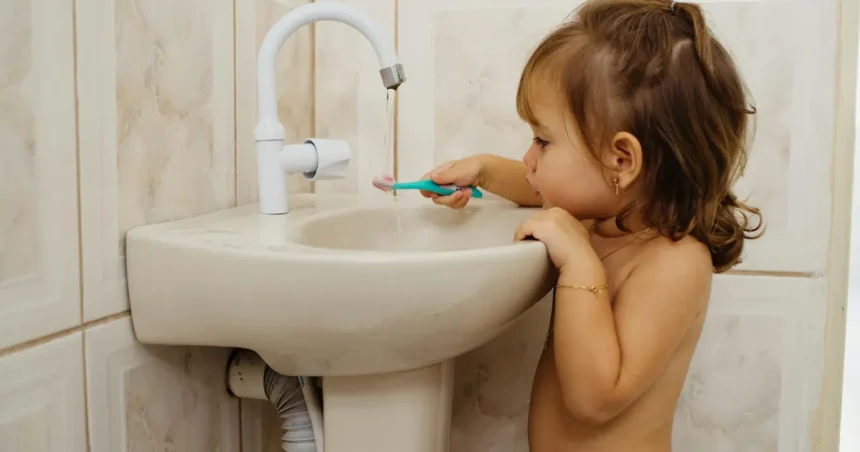
Brushing your teeth properly might seem like second nature, but most people unknowingly skip critical steps that could transform their oral health. Imagine waking up to fresher breath, fewer cavities, and a smile that gleams with confidence—all from mastering a simple two-minute routine. Yet, studies show that nearly 70% of adults brush incorrectly, leading to plaque buildup, gum disease, and even tooth loss over time. The truth is, proper toothbrushing isn’t just about scrubbing harder; it’s about technique, timing, and the right tools. Whether you’re a parent teaching your child, an adult looking to refine your habits, or someone recovering from dental work, this guide will walk you through every step with precision. From choosing the right brush to avoiding common mistakes, you’ll discover how small adjustments can make a big difference in your dental hygiene—and your overall well-being.
What Does “Brushing Teeth Properly” Really Mean?
In just 40 words: Brushing teeth properly means using gentle, systematic motions with a soft-bristled brush to remove plaque, bacteria, and food debris from all tooth surfaces—including gums and tongue—without causing damage, while timing each session for at least two minutes, twice daily.
This definition might sound straightforward, but the devil is in the details. Proper brushing isn’t just about moving a brush around your mouth; it’s a science-backed process designed to protect your enamel, gums, and overall oral microbiome. The American Dental Association (ADA) emphasizes that technique matters more than force. Scrubbing aggressively can wear down enamel and irritate gums, leading to sensitivity and recession. Instead, think of brushing as a gentle massage for your teeth and gums, where consistency and coverage are key. For example, many people miss the inner surfaces of their teeth or the gumline, where plaque loves to hide. Over time, these overlooked areas become hotspots for cavities and gingivitis. By understanding the “why” behind each step, you’ll be more motivated to stick to the routine—and see real results.
Choosing the Right Tools for the Job
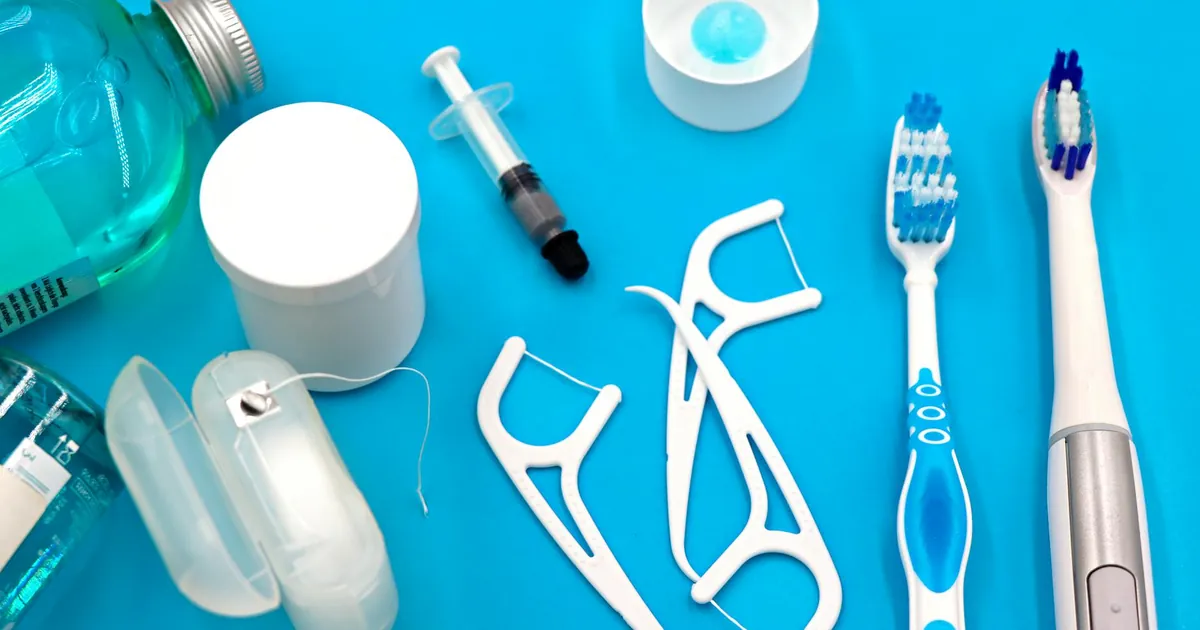
Your toothbrush is your first line of defense against oral health issues, so picking the right one is non-negotiable. The ADA recommends a soft-bristled brush with a small head to reach tight spaces, like the back molars. Hard bristles might seem more effective, but they can damage enamel and gums, especially if you brush with too much pressure. Electric toothbrushes are another excellent option, as they often come with built-in timers and pressure sensors to ensure you’re brushing correctly. Studies, including one published in the Journal of Clinical Periodontology, show that electric brushes remove up to 21% more plaque than manual ones. If you’re on a budget, a manual brush can still do the job—just make sure it’s the right fit for your mouth.
Toothpaste is equally important. Look for one with fluoride, which strengthens enamel and helps prevent cavities. If you have specific concerns, like sensitivity or gum health, there are specialized formulas for those too. For instance, desensitizing toothpastes contain ingredients like potassium nitrate to block pain signals, while those with stannous fluoride can help reduce gum inflammation. Avoid whitening toothpastes with harsh abrasives, as they can wear down enamel over time. For a gentler approach to brightening your smile, consider natural ways to whiten teeth at home safely.
Manual vs. Electric: Which Is Better?
Electric toothbrushes have gained popularity for good reason. Their oscillating or sonic movements do most of the work for you, ensuring consistent pressure and coverage. This is especially helpful for people with limited dexterity, like children or those with arthritis. However, a manual brush can be just as effective if used correctly. The key is technique—holding the brush at a 45-degree angle to your gums and using short, gentle strokes. If you’re unsure which to choose, ask your dentist for a recommendation based on your oral health needs. Some people even alternate between the two for variety.
Floss and Mouthwash: The Dynamic Duo
Brushing alone only cleans about 60% of your tooth surfaces. That’s where floss and mouthwash come in. Flossing removes plaque and food particles from between teeth and under the gumline, areas your brush can’t reach. If traditional floss is tricky to use, try floss picks or water flossers for an easier alternative. Mouthwash, on the other hand, helps kill bacteria, freshen breath, and even strengthen enamel if it contains fluoride. Just don’t use it as a substitute for brushing or flossing—think of it as the finishing touch to your routine.
The Step-by-Step Guide to Brushing Like a Pro
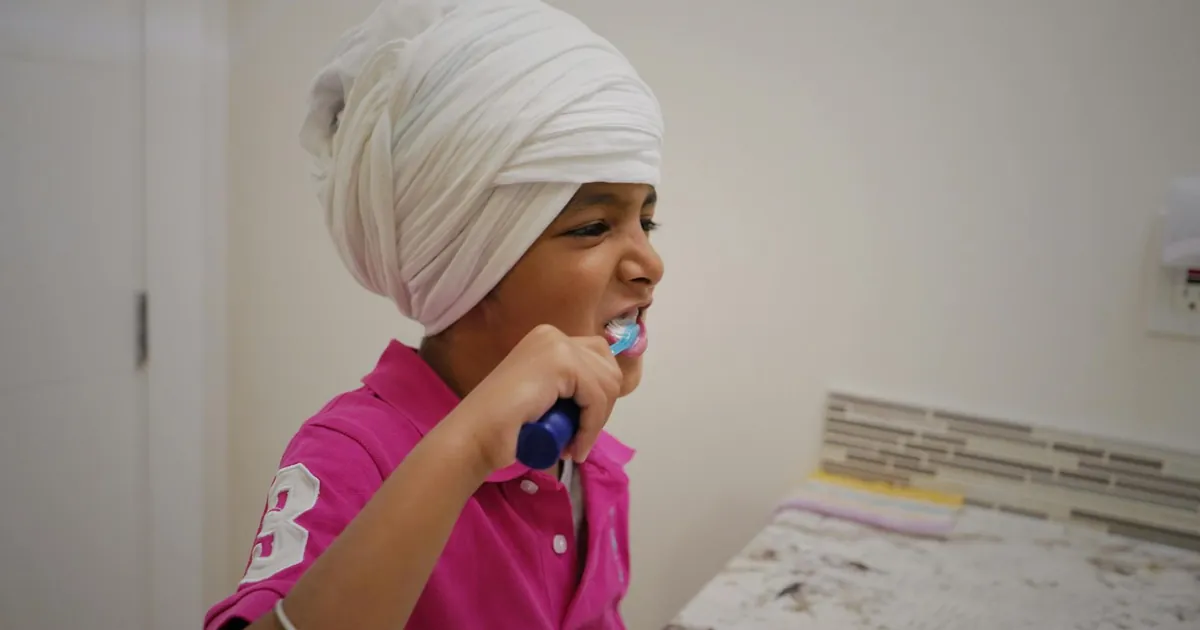
Now that you have the right tools, let’s dive into the step-by-step process. Start by wetting your toothbrush and applying a pea-sized amount of fluoride toothpaste. Too much toothpaste can create excess foam, making it harder to see where you’re brushing. Hold your brush at a 45-degree angle to your gums, as this allows the bristles to clean both the tooth surface and the gumline. Begin with the outer surfaces of your upper teeth, using short, gentle back-and-forth strokes. Don’t forget the chewing surfaces and the inner sides of your teeth—these areas are often neglected but just as important.
For the inner surfaces of your front teeth, tilt the brush vertically and use up-and-down strokes. This ensures you’re cleaning the narrow spaces between your teeth and gums. Spend about 30 seconds on each quadrant of your mouth (upper right, upper left, lower right, lower left) to ensure even coverage. If you struggle with timing, set a timer or use a toothbrush with a built-in timer. Many electric brushes even pause or vibrate to signal when it’s time to move to the next quadrant. Consistency is key—brushing for two minutes might feel long at first, but it’s the gold standard for thorough cleaning.
Mastering the Bass Technique
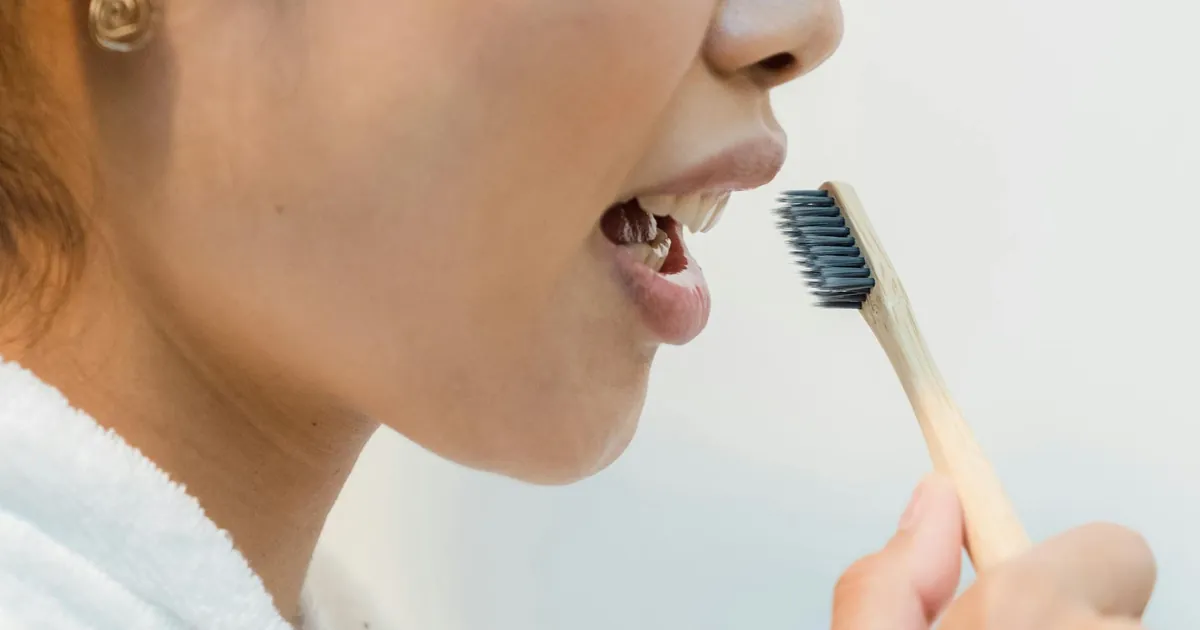
The Bass technique is a dentist-approved method for effective plaque removal. To do it, angle your brush at 45 degrees to your gums and use gentle, vibrating motions to loosen plaque. Then, sweep the bristles away from the gumline in a rolling motion. This technique is especially useful for people with gum disease or sensitive gums, as it cleans without causing irritation. Practice in front of a mirror to ensure you’re getting the angle right, and don’t rush—precision matters more than speed.
Tongue Cleaning: The Often-Forgotten Step
Your tongue harbors bacteria that can contribute to bad breath and even affect your sense of taste. After brushing your teeth, gently brush your tongue from back to front to remove this buildup. You can also use a tongue scraper for a deeper clean. This step takes just a few seconds but makes a noticeable difference in your breath and overall oral hygiene. If you’re prone to gagging, start with the front of your tongue and work your way back gradually.
Common Mistakes That Sabotage Your Efforts
Even with the best intentions, it’s easy to fall into bad habits. One of the most common mistakes is brushing too hard. Many people believe that aggressive scrubbing equals cleaner teeth, but it actually does more harm than good. Over time, this can lead to enamel erosion, gum recession, and tooth sensitivity. Instead, let the bristles do the work—think of it as massaging your teeth, not scrubbing them like a dirty pan. Another mistake is rushing through the process. Two minutes might not seem like much, but most people brush for less than half that time. Set a timer or use an app to keep yourself accountable.
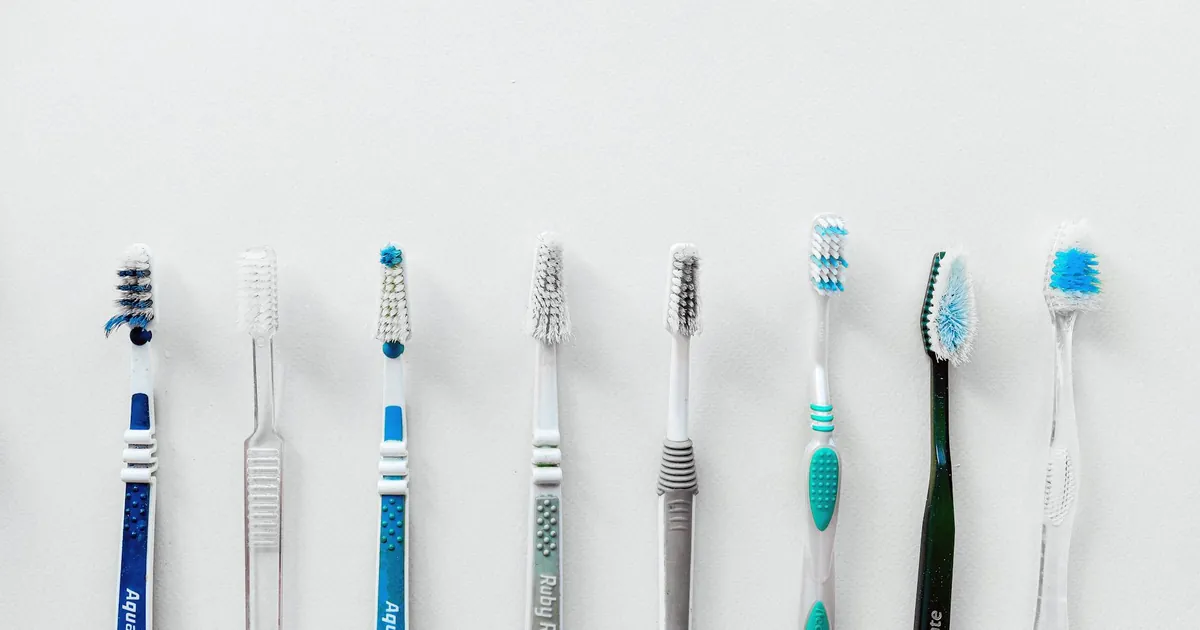
Skipping the gumline is another frequent error. Plaque loves to hide along the gumline, and neglecting this area can lead to gingivitis. Make sure to angle your brush at 45 degrees to clean both the teeth and gums. Finally, don’t forget to replace your toothbrush every three to four months—or sooner if the bristles are frayed. A worn-out brush won’t clean effectively and can harbor bacteria. If you’ve been sick, replace your brush immediately to avoid reinfection. For more tips on maintaining oral health, check out natural ways to whiten teeth at home safely.
How Often Should You Brush—and When?
The ADA recommends brushing twice a day—once in the morning and once before bed. Brushing in the morning removes plaque and bacteria that accumulate overnight, while brushing at night is crucial because it clears away food particles and plaque before you sleep. Saliva production decreases during sleep, which means bacteria have more time to multiply and cause damage. If you eat or drink something acidic or sugary during the day, wait at least 30 minutes before brushing. Acid weakens enamel, and brushing too soon can cause further damage. Instead, rinse your mouth with water or chew sugar-free gum to neutralize the acid.
Some people wonder if they should brush after every meal. While it might seem like a good idea, over-brushing can wear down enamel. If you feel the need to freshen up after eating, try rinsing with water or using a mouthwash instead. For those with braces or dental work, your dentist might recommend additional brushing or special tools, like interdental brushes, to keep your mouth clean. Always follow your dentist’s advice tailored to your specific needs.
Is Brushing After Breakfast Better Than Before?
This is a hotly debated topic. Some dentists argue that brushing before breakfast removes the bacteria that cause bad breath and plaque buildup, while others say brushing after breakfast cleans away food particles. The truth is, both approaches have merit. If you brush before breakfast, you’ll start the day with a clean mouth, but you might need to rinse after eating to remove food debris. If you brush after breakfast, wait 30 minutes to protect your enamel from acid. Ultimately, the best time to brush is whenever it fits into your routine—just make sure you’re doing it twice a day.
Key Takeaways for a Flawless Routine
- Use a soft-bristled toothbrush and fluoride toothpaste for optimal cleaning.
- Hold your brush at a 45-degree angle to clean both teeth and gums effectively.
- Brush for at least two minutes, spending 30 seconds on each quadrant of your mouth.
- Avoid brushing too hard—gentle strokes are more effective and safer for enamel.
- Don’t forget to clean your tongue to remove bacteria and freshen breath.
- Replace your toothbrush every three to four months or after an illness.
- Brush twice a day, preferably in the morning and before bed.
- Floss daily and use mouthwash to complement your brushing routine.
Expert Insights
“Proper brushing technique is the foundation of good oral health. Many patients focus on the tools they use, but without the right technique, even the best toothbrush won’t prevent cavities or gum disease. I always tell my patients to imagine they’re painting a fence—gentle, even strokes are key. And don’t forget the gumline; that’s where most problems start.”
—Dr. Sarah Johnson, DDS, Fellow of the American Academy of General Dentistry
Frequently Asked Questions
How long should I brush my teeth?
You should brush your teeth for at least two minutes, twice a day. This gives you enough time to thoroughly clean all surfaces of your teeth, including the outer, inner, and chewing surfaces. Many people underestimate how long two minutes feels, so using a timer or an electric toothbrush with a built-in timer can help. If you’re struggling to hit the two-minute mark, try dividing your mouth into four quadrants and spending 30 seconds on each one.
Is it better to brush before or after breakfast?
Both options have benefits, but the key is timing. If you brush before breakfast, you’ll remove overnight bacteria and start the day with a clean mouth. However, if you eat or drink something acidic, like orange juice, wait 30 minutes before brushing to avoid damaging your enamel. If you prefer to brush after breakfast, rinse your mouth with water first to remove food particles, then wait 30 minutes before brushing. Ultimately, consistency matters more than timing—just make sure you’re brushing twice a day.
Can I use mouthwash instead of brushing?
No, mouthwash is not a substitute for brushing. While it can help kill bacteria, freshen breath, and even strengthen enamel, it doesn’t remove plaque or food debris like brushing does. Think of mouthwash as a supplement to your routine, not a replacement. For best results, use it after brushing and flossing to rinse away any remaining particles and leave your mouth feeling fresh.
What’s the best way to brush with braces?
Brushing with braces requires a little extra care to ensure you’re cleaning around the brackets and wires. Start by rinsing your mouth with water to loosen food particles. Then, use a soft-bristled brush and fluoride toothpaste to clean each tooth individually, angling the brush to reach above and below the brackets. An interdental brush or water flosser can help clean hard-to-reach areas. Don’t forget to floss daily using a floss threader or orthodontic floss. Your orthodontist might also recommend a special mouthwash to help prevent cavities and gum disease.
How do I know if I’m brushing too hard?
Signs that you’re brushing too hard include frayed bristles on your toothbrush, gum recession, or increased tooth sensitivity. If your gums bleed during brushing, it’s a red flag that you’re either brushing too hard or using a brush with stiff bristles. To avoid this, hold your brush with a light grip and use gentle, circular motions. If you’re using an electric toothbrush, let the brush do the work—you don’t need to press hard. If you’re unsure, ask your dentist or hygienist to demonstrate the proper technique during your next visit.
Should I brush my teeth if my gums are bleeding?
Yes, but be gentle. Bleeding gums are often a sign of gingivitis, which is caused by plaque buildup along the gumline. Brushing and flossing can help remove this plaque and improve gum health over time. However, if you brush too hard, you can make the bleeding worse. Use a soft-bristled brush and gentle strokes, focusing on the gumline. If the bleeding persists after a week of proper brushing, see your dentist to rule out more serious issues like periodontal disease.
What’s the best toothpaste for sensitive teeth?
If you have sensitive teeth, look for a toothpaste specifically designed for sensitivity, such as those containing potassium nitrate or stannous fluoride. These ingredients help block pain signals and strengthen enamel. Avoid whitening toothpastes with harsh abrasives, as they can worsen sensitivity. For best results, use the toothpaste consistently for at least two weeks to see an improvement. If your sensitivity persists, talk to your dentist about other options, like fluoride treatments or desensitizing gels.
Mastering the art of proper toothbrushing isn’t just about avoiding cavities—it’s about investing in your long-term health and confidence. Small tweaks, like adjusting your brush angle or timing your sessions, can prevent costly dental procedures down the road. Start by implementing one or two of these steps today, whether it’s switching to a softer brush or adding tongue cleaning to your routine. Over time, these habits will become second nature, and you’ll notice the difference in your smile, breath, and overall well-being. Ready to take your oral hygiene to the next level? Grab your toothbrush and put these tips into action—your future self will thank you.