



How long does a dental filling last? It’s a question that pops up every time you sit in that dentist’s chair, gripping the armrests a little tighter than you’d like to admit. The truth is, dental fillings aren’t forever—but they’re not exactly temporary either. Whether you’ve just gotten your first filling or you’re wondering if that old one needs replacing, understanding the lifespan of your dental work can save you time, money, and a whole lot of discomfort. Fillings are the unsung heroes of dental care, quietly restoring teeth damaged by decay, cracks, or wear. But like any hero, they have their limits. Some last a decade or more, while others might call it quits in just a few years. The difference often comes down to the type of filling, your oral habits, and even the location of the tooth in your mouth. Let’s dive into what really determines how long your filling will stick around—and how you can help it last as long as possible.
What Is a Dental Filling and How Long Should It Last?
A dental filling is a restorative material used to repair a tooth damaged by decay, fractures, or wear, effectively restoring its function and structure. Think of it as a patch for your tooth—one that blends in so well, you might forget it’s even there. But how long should you expect this patch to hold up? The answer isn’t one-size-fits-all. On average, dental fillings last between 5 to 15 years, but their lifespan depends on several factors, including the material used, the size and location of the filling, and your oral hygiene habits. For example, a small composite filling in a front tooth might last a decade with proper care, while a large amalgam filling in a molar could start showing signs of wear in as little as 7 years. The key is to understand that fillings aren’t permanent, and their durability is influenced by both the materials your dentist uses and how well you take care of them.
Fillings come in different materials, each with its own pros and cons. Amalgam fillings, made from a mix of metals, are known for their durability and have been used for over a century. They’re strong, long-lasting, and often the go-to for back teeth where chewing forces are greatest. Composite fillings, on the other hand, are tooth-colored and blend seamlessly with your natural teeth, making them ideal for visible areas. However, they tend to wear out faster than amalgam, especially if you grind your teeth or eat a lot of hard foods. Other options, like gold or ceramic fillings, offer a middle ground in terms of durability and aesthetics but come with a higher price tag. The material you choose plays a huge role in how long your filling will last, but it’s not the only factor.
Why Do Fillings Fail Over Time?

Even the best dental fillings don’t last forever. Over time, they can fail due to a variety of reasons, some of which are within your control and others that aren’t. One of the most common causes of filling failure is recurrent decay. If bacteria sneak in around the edges of the filling, they can start eating away at the tooth again, leading to new cavities. This is why regular dental check-ups are so important—they allow your dentist to catch early signs of decay before it becomes a bigger problem. Another reason fillings fail is wear and tear. Every time you chew, your fillings take a beating, especially if you grind your teeth at night or eat a lot of crunchy or sticky foods. Over time, this can cause the filling to crack, chip, or even fall out completely.
Temperature changes in your mouth can also take a toll on fillings. Hot coffee followed by ice cream? That’s a recipe for expansion and contraction, which can weaken the bond between the filling and your tooth. Additionally, poor oral hygiene can lead to gum disease, which can cause the gums to recede and expose the edges of the filling. Once that happens, bacteria can get in, and the filling’s days are numbered. Even something as simple as biting down on a popcorn kernel the wrong way can crack a filling. The bottom line? Fillings are tough, but they’re not invincible. Knowing what can cause them to fail helps you take better care of them—and your teeth.
How to Tell If Your Filling Needs Replacement
So, how do you know when it’s time to say goodbye to your old filling? There are a few telltale signs that your filling might be on its way out. One of the most obvious is pain or sensitivity. If you suddenly feel a sharp pain when you bite down or notice sensitivity to hot, cold, or sweet foods, it could mean your filling is cracked, leaking, or no longer sealing the tooth properly. Another red flag is visible damage. If you can see a crack, chip, or dark line around the filling, it’s a sign that it’s time for a replacement. Sometimes, you might even feel a rough or jagged edge with your tongue, which means the filling is breaking down.
In some cases, you might not notice any symptoms at all, which is why regular dental visits are so important. Your dentist can spot early signs of filling failure during a routine exam, often before you even realize there’s a problem. They might use X-rays to check for decay under the filling or look for gaps between the filling and your tooth. If your filling is more than 10 years old, it’s a good idea to have it checked, even if it seems fine. The longer a filling stays in your mouth, the more likely it is to develop issues. Catching problems early can save you from more extensive—and expensive—dental work down the road.
The Lifespan of Different Filling Materials
Not all fillings are created equal, and neither is their lifespan. The material your dentist uses can make a big difference in how long your filling lasts. Let’s break down the most common types of fillings and what you can expect from each one.
Amalgam fillings are the heavyweights of the dental world. Made from a mix of mercury, silver, tin, and copper, these fillings are incredibly durable and can last 10 to 15 years—or even longer with proper care. They’re especially good for molars, where chewing forces are strongest. However, their metallic color makes them less popular for visible teeth, and some people have concerns about the mercury content, though the American Dental Association considers them safe. If you have an amalgam filling, you can expect it to hold up well, but it might need replacement if it starts to crack or if decay develops around the edges.
Composite fillings are the chameleons of the dental world. Made from a tooth-colored resin, they blend in seamlessly with your natural teeth, making them a popular choice for front teeth and other visible areas. However, they’re not as durable as amalgam and typically last 5 to 10 years. Composite fillings are more prone to wear and staining, especially if you drink a lot of coffee, tea, or red wine. They’re also more likely to shrink over time, which can create gaps where bacteria can sneak in. If you have composite fillings, it’s important to avoid habits like nail-biting or chewing ice, as these can cause them to chip or crack prematurely.
Gold fillings are the luxury option. They’re strong, durable, and can last 15 to 30 years, making them one of the longest-lasting filling materials available. Gold is also gentle on the opposing teeth, meaning it won’t wear down the teeth it bites against. However, gold fillings are expensive and require multiple visits to place, which can be a drawback for some people. They’re also very noticeable, so they’re usually only used for back teeth. If you’re looking for a filling that will stand the test of time, gold is a great choice—but be prepared to pay a premium for it.
Ceramic fillings, often made from porcelain, are another durable and aesthetically pleasing option. They’re resistant to staining and can last 10 to 15 years with proper care. Ceramic fillings are more expensive than composite but less noticeable than amalgam or gold. They’re a good middle-ground option if you want something that looks natural but is also long-lasting. However, they can be brittle, so they’re not ideal for teeth that take a lot of chewing force. If you have a ceramic filling, it’s important to avoid hard foods that could cause it to crack.
How Your Habits Affect Filling Longevity

Your daily habits play a huge role in how long your dental fillings last. Even the best filling won’t stand a chance if you’re not taking care of your teeth. Let’s talk about the habits that can either extend or shorten the life of your fillings.
First up: oral hygiene. Brushing twice a day and flossing daily are non-negotiable if you want your fillings to last. Plaque and bacteria can build up around the edges of a filling, leading to decay and eventually causing the filling to fail. If you’re not already using a fluoride toothpaste, now’s the time to start. Fluoride helps strengthen your teeth and protect them from decay, which can help your fillings last longer. It’s also a good idea to use an antibacterial mouthwash to keep bacteria at bay. If you’re not sure whether you’re brushing and flossing correctly, ask your dentist for a refresher. Proper technique can make a big difference in the longevity of your fillings.
Your diet also has a big impact on how long your fillings last. Sugary and acidic foods and drinks can weaken your teeth and increase the risk of decay around your fillings. If you’re a fan of soda, candy, or citrus fruits, try to limit your intake and rinse your mouth with water afterward. Hard and sticky foods can also cause problems. Chewing ice, biting into hard candies, or snacking on caramel can crack or dislodge your fillings. If you have a habit of grinding your teeth at night, talk to your dentist about getting a nightguard. Grinding can put a lot of pressure on your fillings and cause them to wear out faster. The same goes for clenching your jaw during the day—try to be mindful of it and relax your jaw muscles when you notice it happening.
The Role of Regular Dental Check-Ups
You might think that once you have a filling, you’re good to go—but that’s not the case. Regular dental check-ups are crucial for maintaining the health of your fillings and catching any issues early. During a check-up, your dentist will examine your fillings for signs of wear, cracks, or decay. They might also take X-rays to check for problems that aren’t visible to the naked eye, like decay under the filling. If they spot any issues, they can address them before they become bigger problems. For example, a small crack in a filling can often be repaired, but if it’s left untreated, it could lead to a broken filling or even a cracked tooth.
Most dentists recommend coming in for a check-up every six months, but if you have a lot of fillings or a history of dental problems, you might need to go more often. It’s also a good idea to schedule an appointment if you notice any changes in your fillings, like pain, sensitivity, or visible damage. The sooner you address these issues, the better. Regular cleanings are also important because they remove plaque and tartar that can build up around your fillings and lead to decay. If you’ve been putting off your dental visits, now’s the time to get back on track. Your fillings—and your wallet—will thank you.
What Happens If You Ignore a Failing Filling?

Ignoring a failing filling might seem like no big deal, but it can lead to some serious consequences. For starters, a cracked or leaking filling can allow bacteria to get under the filling and cause decay. If the decay isn’t caught early, it can spread to the inner layers of your tooth, leading to a painful infection or even an abscess. At that point, you might need a root canal or even an extraction, which is a lot more expensive and time-consuming than replacing a filling. A failing filling can also cause your tooth to crack or break, which can be painful and might require a crown or other extensive treatment.
In some cases, ignoring a failing filling can even affect your overall health. Bacteria from an infected tooth can enter your bloodstream and cause problems elsewhere in your body, like heart disease or diabetes complications. If you’re experiencing pain, sensitivity, or other symptoms, don’t wait to see your dentist. The longer you put it off, the worse the problem can get. It’s always better to address dental issues early, when they’re easier and less expensive to fix. If you’re worried about the cost, talk to your dentist about payment plans or financing options. Most dental offices are happy to work with you to make treatment more affordable.
Tips to Extend the Life of Your Fillings
Want your fillings to last as long as possible? Here are some practical tips to help you get the most out of them.
First, step up your oral hygiene game. Brushing twice a day with a fluoride toothpaste and flossing daily are the basics, but there’s more you can do. Consider using an electric toothbrush, which can remove more plaque than a manual brush. If you’re not already flossing, start now—it’s the best way to clean the spaces between your teeth where bacteria love to hide. You can also use an interdental brush or water flosser to clean around your fillings. If you have a lot of fillings, your dentist might recommend a prescription-strength fluoride toothpaste to help protect your teeth from decay.
Watch what you eat and drink. Sugary and acidic foods and drinks can weaken your teeth and increase the risk of decay around your fillings. Try to limit your intake of soda, candy, and citrus fruits, and rinse your mouth with water after consuming them. Hard and sticky foods can also cause problems, so avoid chewing ice, biting into hard candies, or snacking on caramel. If you grind your teeth at night, talk to your dentist about getting a nightguard. Grinding can put a lot of pressure on your fillings and cause them to wear out faster. The same goes for clenching your jaw during the day—try to be mindful of it and relax your jaw muscles when you notice it happening.
Finally, don’t skip your dental appointments. Regular check-ups and cleanings are crucial for maintaining the health of your fillings. During a check-up, your dentist can spot early signs of filling failure and address them before they become bigger problems. They can also give you personalized advice on how to care for your fillings based on your specific needs. If you have a lot of fillings or a history of dental problems, you might need to go more often than every six months. It’s also a good idea to schedule an appointment if you notice any changes in your fillings, like pain, sensitivity, or visible damage. The sooner you address these issues, the better.
Key Takeaways
- Dental fillings typically last between 5 to 15 years, depending on the material, location, and your oral habits.
- Amalgam fillings are the most durable, lasting 10 to 15 years, while composite fillings usually last 5 to 10 years.
- Gold and ceramic fillings offer a balance of durability and aesthetics, with lifespans of 10 to 30 years.
- Poor oral hygiene, a sugary diet, and habits like teeth grinding can shorten the lifespan of your fillings.
- Regular dental check-ups are essential for catching early signs of filling failure and preventing more serious problems.
- Ignoring a failing filling can lead to decay, infection, or even tooth loss, so it’s important to address issues early.
- Brushing, flossing, and avoiding hard or sticky foods can help extend the life of your fillings.
“Dental fillings are a vital part of maintaining oral health, but they’re not a one-and-done solution. The key to making them last is a combination of good oral hygiene, regular dental visits, and being mindful of your habits. Patients who take care of their fillings can often extend their lifespan by years, saving themselves time, money, and discomfort in the long run.”
—Dr. Sarah Johnson, DDS, American Dental Association Spokesperson
Frequently Asked Questions

How do I know if my filling is failing?
Signs of a failing filling include pain or sensitivity when biting down, sensitivity to hot, cold, or sweet foods, visible cracks or chips in the filling, or a rough or jagged edge that you can feel with your tongue. In some cases, you might not notice any symptoms at all, which is why regular dental check-ups are so important. Your dentist can spot early signs of filling failure during an exam or with X-rays.
Can a filling last 20 years?
It’s possible for a filling to last 20 years or more, especially if it’s made from a durable material like gold or amalgam. However, this is more the exception than the rule. Most fillings last between 5 to 15 years, depending on the material, location, and your oral habits. If you have a filling that’s lasted 20 years, consider yourself lucky—but don’t assume it will last forever. Regular check-ups are still important to catch any signs of wear or decay.
What happens if a filling falls out?
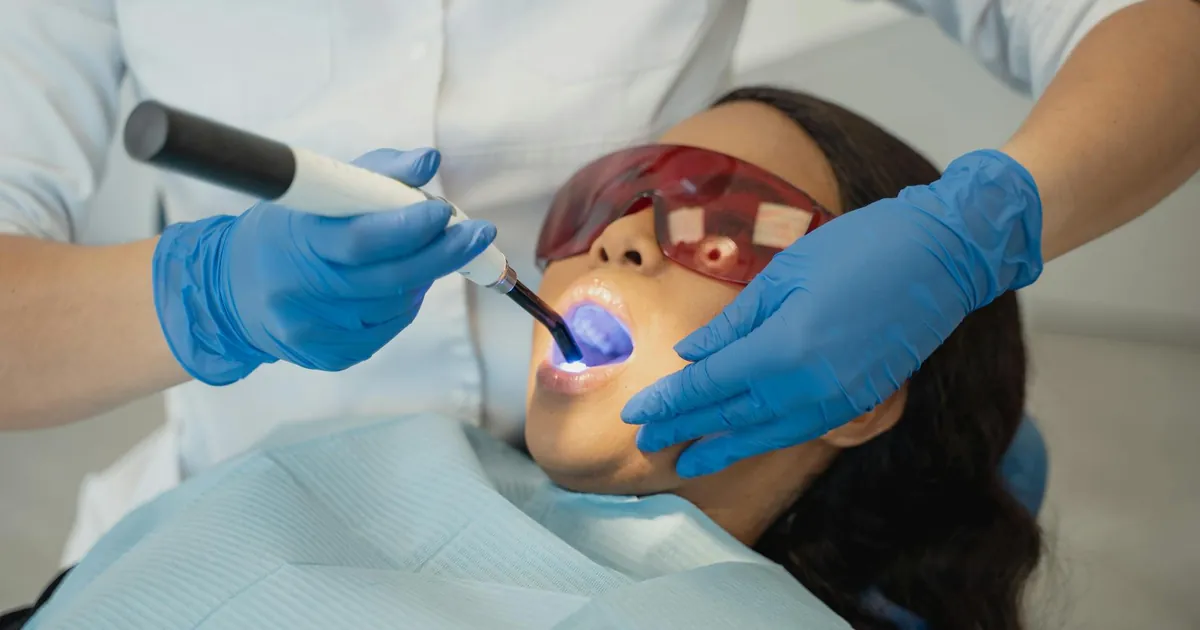
If a filling falls out, it’s important to see your dentist as soon as possible. A missing filling leaves your tooth vulnerable to decay and damage. In the meantime, you can use over-the-counter dental cement or sugar-free gum to temporarily cover the hole and protect your tooth. Avoid chewing on that side of your mouth and be gentle when brushing. If you experience pain or sensitivity, your dentist might recommend a root canal or other treatment to address the issue.
Is it normal for a filling to hurt after years?
It’s not uncommon for a filling to cause discomfort after several years, especially if it’s starting to fail. Pain or sensitivity can be a sign that the filling is cracked, leaking, or no longer sealing the tooth properly. It could also mean that decay has developed around the edges of the filling. If you’re experiencing pain, it’s important to see your dentist to determine the cause and get it treated. Ignoring the pain can lead to more serious problems down the road.
Can I replace an old filling with a different material?
Yes, you can replace an old filling with a different material, but it’s important to discuss your options with your dentist. For example, if you have an amalgam filling that’s starting to fail, you might choose to replace it with a composite filling for a more natural look. However, composite fillings aren’t as durable as amalgam, so they might not be the best choice for a molar that takes a lot of chewing force. Your dentist can help you weigh the pros and cons of each material and choose the one that’s best for your needs.
How much does it cost to replace a filling?
The cost of replacing a filling depends on the material used, the size of the filling, and where you live. On average, you can expect to pay between $50 to $300 for a composite filling and $100 to $400 for an amalgam filling. Gold and ceramic fillings are more expensive, ranging from $250 to $1,500 or more. If you have dental insurance, it might cover part of the cost, but it’s a good idea to check with your provider to see what’s included in your plan. If you don’t have insurance, talk to your dentist about payment plans or financing options.
Does teeth whitening affect fillings?
Teeth whitening treatments can affect the appearance of your fillings, but not in the way you might think. Whitening products work by bleaching the natural enamel of your teeth, but they don’t change the color of fillings, crowns, or other dental work. This means that if you whiten your teeth, your natural teeth might become lighter, but your fillings will stay the same color. If you have visible fillings, this can create a noticeable contrast. If you’re considering whitening your teeth, talk to your dentist about your options. They might recommend replacing your fillings with a lighter shade to match your newly whitened teeth.
Your dental fillings are an investment in your oral health, and taking care of them can save you time, money, and discomfort in the long run. Whether you’ve just gotten your first filling or you’re dealing with an old one that’s starting to show its age, understanding how to care for it can make all the difference. From choosing the right material to practicing good oral hygiene, every little bit helps. And remember, regular dental check-ups are your best defense against filling failure. If it’s been a while since your last visit, now’s the time to schedule an appointment. Your teeth—and your future self—will thank you.
If you’re experiencing tooth pain or suspect your filling might be failing, don’t wait to get it checked out. Early intervention can prevent more serious problems down the road. For more tips on managing tooth pain and keeping your smile healthy, check out this related article on the causes of tooth pain and quick relief tips. Your dentist is your partner in oral health, so don’t hesitate to reach out with any questions or concerns. Here’s to a lifetime of healthy, happy smiles!