


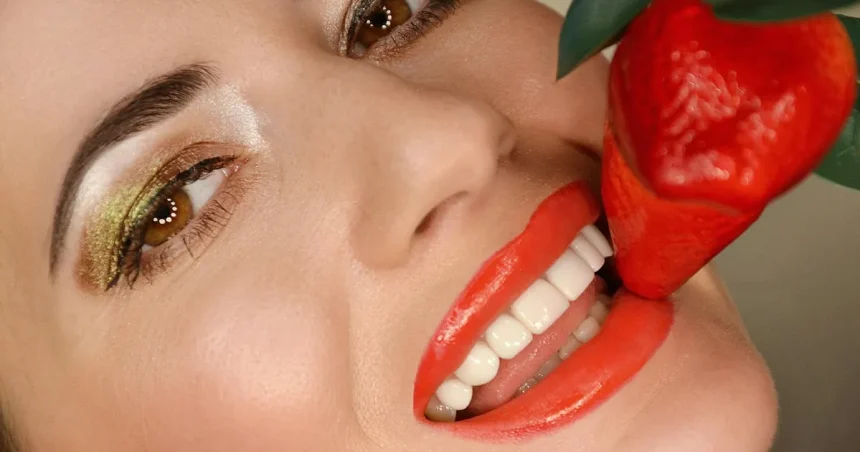
Embarking on a journey toward stellar oral health involves understanding not only what to embrace but also, critically, what foods to avoid for healthy teeth. While many associate dental woes with poor hygiene, the culinary landscape plays a colossal role in the strength and integrity of your pearly whites. Our modern diets, brimming with processed goods and sugary treats, often act as silent saboteurs, fueling the growth of harmful bacteria and eroding enamel. From the readily available sticky candies that cling to molars for hours to the acidic culprits found in common beverages, the potential for damage is pervasive. Navigating this minefield requires a mindful approach to eating, one that prioritizes your smile’s longevity. This article will illuminate the primary offenders, explaining the ‘why’ behind their detrimental effects, and empowering you with the knowledge to make smarter choices. It’s about more than just aesthetics; it’s about maintaining the fundamental health of your teeth for a lifetime of comfortable eating, clear speech, and confident smiles. Let’s delve into the foods that can compromise your oral well-being.
The Sugar Syndicate: Candies and Sweets
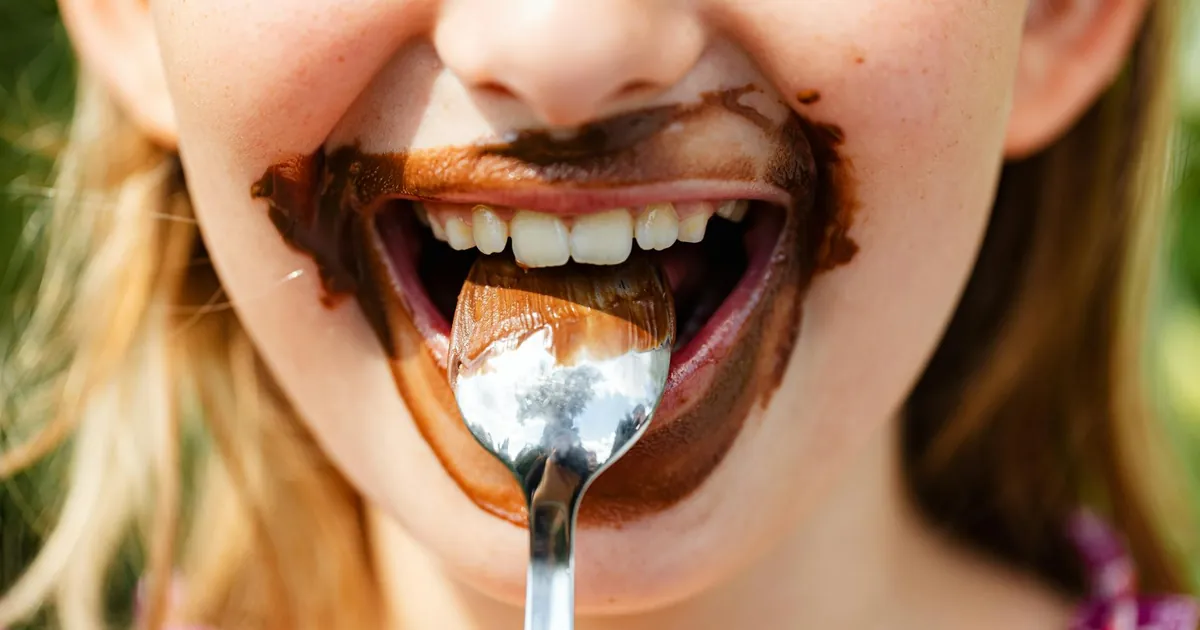
Candies and sweets, especially those with a sticky texture like caramels, taffy, and gummies, are notorious dental antagonists. Their high sugar content provides a feast for the oral bacteria, specifically Streptococcus mutans. These bacteria metabolize the sugars and, as a byproduct, produce acids. This acid then attacks the tooth enamel, the hard outer layer of your teeth, which is rich in minerals. Over time, repeated acid attacks lead to demineralization, making enamel weaker and more susceptible to cavities. Sticky candies have an insidious advantage: they adhere to the surfaces of your teeth for extended periods, allowing the bacteria a prolonged opportunity to produce acid. This means even a small amount of sticky candy can have a disproportionately large negative impact compared to a quick-release sugar source. Furthermore, many of these treats are consumed mindlessly, often between meals, preventing saliva, your mouth’s natural defense, from neutralizing acids and washing away food particles effectively. The intricate grooves and fissures on the chewing surfaces of your molars are particularly vulnerable to trapping these sticky residues, creating ideal breeding grounds for decay. It’s a complex interplay of sugar concentration, texture, duration of contact, and the timing of consumption that makes sweets such a significant threat to your oral health, underscoring the importance of a robust daily oral hygiene routine for healthy teeth.
Beyond the direct acid attacks, the constant consumption of sugary treats can disrupt the delicate balance of your oral microbiome. This imbalance can favor the proliferation of acid-producing bacteria while suppressing beneficial ones that help maintain a healthy pH. The result is a chronic state of acidity that relentlessly chips away at your enamel. Even seemingly harmless hard candies can pose a risk, not because they dissolve slowly, but because they encourage prolonged sucking, which keeps the sugary solution in contact with teeth for an extended period. Biting down on hard candies can also lead to chipped or cracked teeth, especially if your enamel is already compromised by acid erosion. Recognizing these dangers is the first step toward mitigating them. Making conscious choices to limit the frequency and duration of exposure to these sugary culprits is paramount in safeguarding your smile.
Acidic Attack: Citrus and Carbonated Drinks
Citrus fruits, while lauded for their vitamin C content and refreshing taste, are also highly acidic. The citric acid present in oranges, lemons, grapefruits, and limes can erode tooth enamel, even in their natural form. While the benefits of consuming whole fruits often outweigh the risks, drinking citrus juices, especially in concentrated forms or without immediately rinsing your mouth, can significantly increase the acidity. The enamel, once dissolved, does not regenerate. This erosion can lead to increased tooth sensitivity, a duller appearance, and a higher propensity for decay. The microscopic pores on the enamel surface become enlarged, exposing the underlying dentin, which is softer and more prone to damage. Even sugar-free diet sodas, often mistakenly thought of as “healthy” alternatives, contribute to this acidic onslaught. These beverages, whether diet or regular, typically have a pH level well below what’s considered neutral, meaning they are inherently acidic. The carbonation itself can contribute to the erosive process, and the artificial sweeteners can still trigger some metabolic responses that may indirectly affect oral health.
The act of sipping on these acidic beverages throughout the day is particularly damaging. Instead of a single, brief exposure that saliva can manage, constant sipping means your teeth are repeatedly bathed in acid. This continuous assault severely compromises the enamel’s ability to remineralize, a natural process that uses minerals from saliva to repair minor damage. For many, the allure of a fizzy drink or a tart citrus juice is strong, but understanding that these popular choices are silently wearing down their enamel is crucial. Consider these drinks as occasional treats rather than daily staples. When you do indulge, try to consume them with meals to maximize saliva production, and consider using a straw to minimize direct contact with your teeth, especially for sodas. Afterward, resist the urge to brush immediately; wait at least 30 minutes to allow your enamel to begin its natural recovery process. This strategic approach can significantly reduce the harm inflicted by these otherwise enjoyable, yet potent, beverages.
Wine’s Double Threat
Both red and white wines present a dual threat to dental enamel. Red wine is known for its high acidity and its tannins, which can stain teeth over time, creating an aesthetically unappealing appearance. White wine, while less prone to staining, is often even more acidic than red wine, making its erosive potential quite significant. The combination of low pH and the presence of chromogens (stain-causing compounds) in red wine makes it a double-edged sword for those concerned about both the structural integrity and visual appeal of their teeth. The tannins in red wine can also make tooth surfaces slightly stickier, creating a welcoming environment for bacteria that produce plaque. The practice of swirling wine in the mouth, common among connoisseurs, inadvertently amplifies the contact time between the acidic beverage and tooth enamel. This prolonged exposure exacerbates the demineralization process, weakening the teeth and making them more vulnerable to sensitivity and decay.
Sour Candies: A Potent Combination
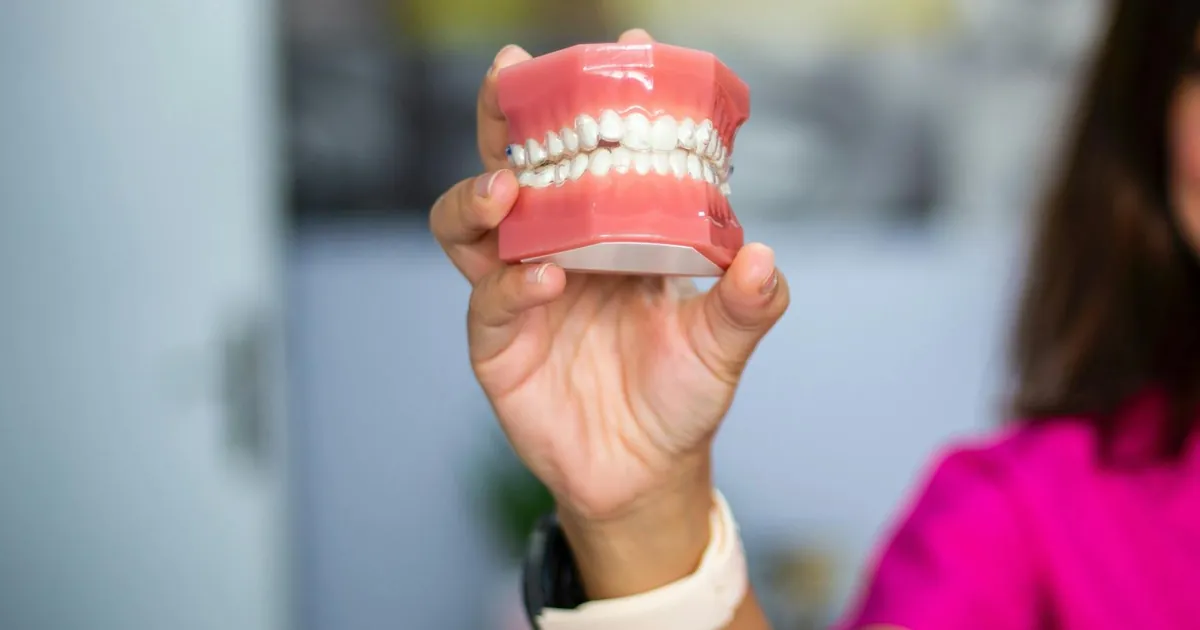
Sour candies represent a particularly aggressive form of dental attack because they combine extreme acidity with high sugar content. Many of these treats contain ingredients like citric acid, malic acid, and tartaric acid to achieve their puckering effect, often at pH levels significantly lower than even sodas or citrus fruits. This potent acidic blend, coupled with the sugar that feeds oral bacteria, creates a rapid and severe environment for enamel erosion and cavity formation. The chewy nature of many sour candies also means they linger, prolonging the acid bath. Consuming these is akin to deliberately subjecting your teeth to a harsh chemical treatment. Their intense flavor may also encourage prolonged sucking, further extending the duration of exposure. If you’re a fan of tart flavors, opt for natural sources like a small amount of unsweetened cranberry juice or plain yogurt, which offer some benefits alongside their tartness, unlike the purely detrimental impact of sour candies.
The Sticky Trap: Dried Fruits
Dried fruits like raisins, apricots, figs, and dates are often marketed as healthy snacks, packed with fiber and essential nutrients. However, their drying process concentrates their natural sugars and removes most of their water content, resulting in a sticky, chewy texture that is a perfect adhesive for teeth. When you consume dried fruit, the concentrated sugars and the sticky pulp cling to the crevices and surfaces of your teeth. This provides a prolonged sugar source for oral bacteria to ferment, leading to increased acid production. The sheer stickiness means that food particles remain lodged in your teeth for much longer than with fresh fruits, significantly increasing the time your enamel is under assault. For individuals prone to cavities or those with dental work such as braces or crowns, dried fruits can be particularly problematic, as the sticky residue can be difficult to remove completely, even with diligent brushing and flossing. Incorporating fresh fruits into your diet is a far more tooth-friendly alternative, offering similar nutrients without the tenacious sticky residue.
The natural sugars in dried fruits, though occurring naturally, still behave as fuel for cavity-causing bacteria. This is a critical distinction often misunderstood when comparing dried versus fresh fruit. While they retain valuable vitamins and minerals, the enhanced chewiness and concentrated sweetness make them a significant cariogenic risk. If you do choose to enjoy dried fruits, it’s advisable to consume them as part of a larger meal, which stimulates saliva flow, helping to wash away sugars and neutralize acids more effectively. Immediately following consumption with a thorough rinse of plain water or a fluoride mouthwash can also help mitigate the damage. Consider brushing your teeth after eating them if possible, but always remember to wait at least 30 minutes if your mouth feels acidic, to avoid brushing softened enamel. This mindful consumption strategy can help preserve the oral health benefits while minimizing the dental drawbacks.
The Carb Culprits: Refined Starches
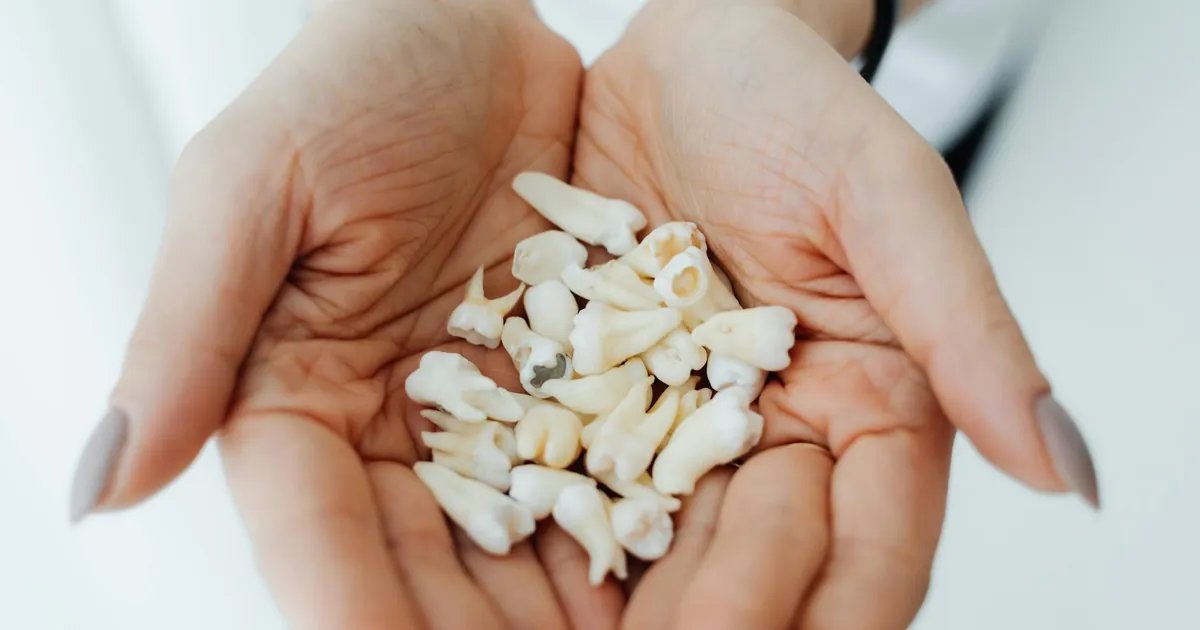
Refined carbohydrate-rich foods, such as white bread, crackers, and potato chips, can be surprisingly detrimental to dental health. When you chew these foods, they break down into simpler sugars in the mouth. These sugars then serve as food for the plaque bacteria, triggering the acid production that leads to enamel erosion and cavity formation. The starches in these foods, particularly in processed forms, can adhere to teeth and linger in the nooks and crannies, especially if you have crowded teeth or wear braces. Potato chips, with their rough texture, can also get lodged in the gum line and between teeth, providing a sustained source of fuel for bacteria. Unlike sugary candies that are obviously sweet and often consumed as a treat, refined starches are frequently eaten in larger quantities and as part of regular meals or snacks, leading to more frequent and prolonged acid attacks. The breakdown process of starches into sugars begins quickly in the mouth, and the longer these residues remain, the greater the risk.
The texture and composition of these refined carbohydrates make them a significant contributor to dental caries. White bread, for example, becomes a sticky mass in the mouth, ideal for clinging to enamel surfaces. Crackers can crumble into small, sharp pieces that get stuck between teeth. Potato chips, often coated in salt and sometimes sugar, provide both a lingering residue and encourage further consumption, leading to extended exposure to their detrimental components. Even seemingly innocuous snacks like pretzels can contribute to the problem due to their high starch content and tendency to stick. A diet rich in whole grains, as discussed in articles about foods good for strong teeth and gums, offers a much safer alternative because whole grains contain more fiber and their sugars are released more slowly, giving saliva a better chance to neutralize acids. Being aware of how these everyday staples can impact your oral health is key to making informed dietary choices and maintaining your smile.
The Dark Stainer: Coffee and Tea
While coffee and tea are often enjoyed for their stimulating or soothing properties, they can negatively impact your teeth in a couple of significant ways. Firstly, both beverages can stain your teeth. The tannins present in coffee and especially black tea are chromogens, molecules that have a strong tendency to stain surfaces. They create a film on your teeth that picks up other pigments from your diet, leading to discoloration over time. This can detract from the appearance of your smile, even if the underlying tooth structure remains healthy. Secondly, both coffee and tea, especially when consumed with sugar or sweetened creamers, contribute to acid erosion and bacterial growth. The darker the roast of coffee or the stronger the brew of tea, the more intense the staining potential. Adding sugar transforms these potentially stain-inducing drinks into sugar bombs, fueling acid-producing bacteria. Even unsweetened coffee and tea can be problematic if consumed in large quantities due to their natural acidity, although this is generally less pronounced than in citrus fruits or sodas.
The habit of sipping coffee or tea throughout the day exacerbates the staining and acid exposure. Instead of a single event, it becomes a prolonged period of contact. This is particularly true for tea, which can maintain a higher temperature for longer periods, potentially increasing the absorption of staining compounds into the enamel. Furthermore, the caffeine content in coffee and tea can have a drying effect on the mouth, reducing saliva flow. Saliva is crucial for washing away food particles, neutralizing acids, and remineralizing enamel. A drier mouth is a more vulnerable mouth. To mitigate these effects, consider drinking your coffee or tea quickly rather than sipping, rinsing your mouth with water afterward, and opting for lighter roasts or green teas, which tend to stain less. Using a straw can also help, though it’s less practical for hot beverages. For those seeking whiter teeth, exploring natural ways to whiten teeth at home safely can be beneficial after addressing the staining culprits in your diet.
The Ice Chewers’ Vice: Iced Foods/Beverages
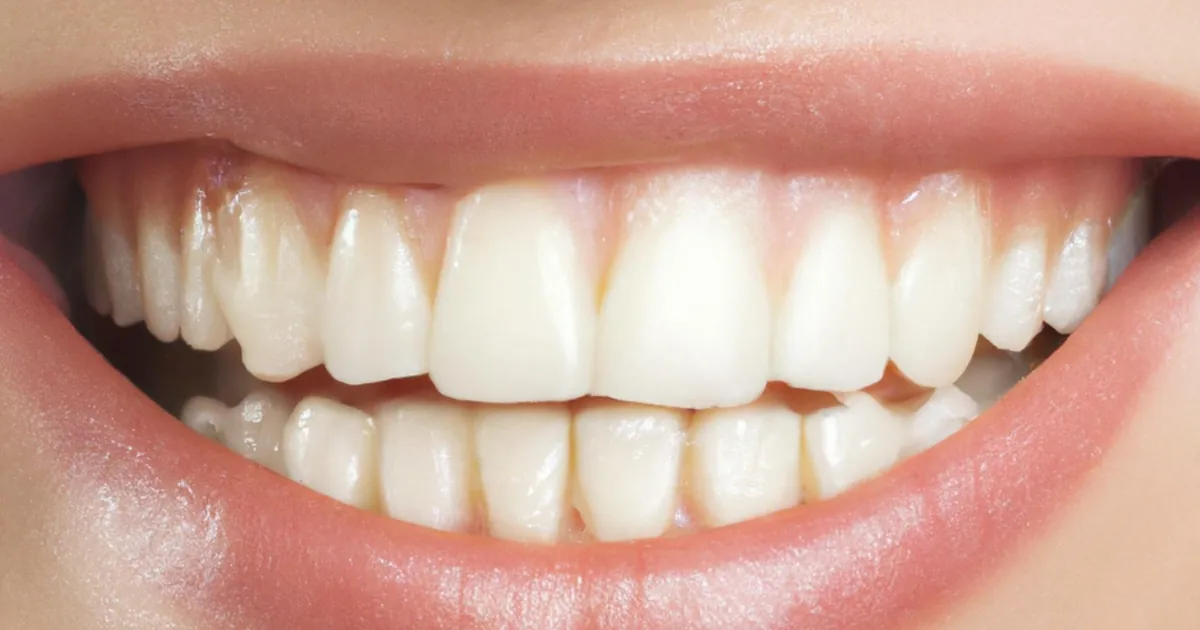
While not a food category in itself, the habit of chewing on ice, often associated with cold beverages like iced coffee, soda, or water, poses a unique and significant risk to your teeth. Ice is essentially frozen water, and while it lacks sugar or acid, its extreme hardness is the primary danger. Chewing on ice can lead to significant dental damage, including chipped teeth, cracked enamel, and even broken teeth. The sudden temperature shock from biting into something so cold can also make teeth, especially those already sensitive or with existing micro-fractures, more prone to damage. Enamel, while the hardest substance in the human body, is not immune to the forces exerted by crushing ice. This habit often develops unconsciously, perhaps as a way to stay hydrated or as a nervous tic. However, the potential for severe and irreversible damage is substantial. It’s akin to chewing on small pebbles, putting immense stress on the tooth structure.
The temptation to crunch on ice might stem from the refreshing sensation it provides, especially in hot weather or after exercise. However, the long-term cost far outweighs this momentary pleasure. Unlike the cumulative damage from sugar and acid, damage from chewing ice is often sudden and catastrophic. A cracked tooth can lead to pain, infection, and require complex dental procedures like root canals or even extraction. For those who find themselves habitually reaching for ice to chew, identifying the underlying trigger is important. Sometimes it’s a dietary deficiency (like iron deficiency anemia, which can cause a craving for ice, a condition called pagophagia), and other times it’s simply a learned behavior. If you struggle to break this habit, try substituting ice with sugar-free gum or crunchy vegetables like carrots or celery, which offer a satisfying textural element without the risk of dental fractures. Discussing this habit with your dentist is also advisable, as they can assess any existing damage and provide personalized recommendations.
Key Takeaways for a Healthier Smile
- Limit sugary candies, especially sticky varieties, due to prolonged acid production.
- Be mindful of acidic beverages like citrus juices and sodas, which erode enamel.
- Dried fruits, though nutritious, can adhere to teeth and feed bacteria for extended periods.
- Refined carbohydrates like white bread and crackers break down into sugars, fueling acid attacks.
- Coffee and tea can stain teeth and, when sweetened, contribute to decay.
- Chewing on ice carries a high risk of chipping, cracking, and breaking teeth.
- Saliva is your mouth’s natural defender; consume problematic foods with meals to enhance its effect.
- Rinsing with water after consuming acidic or sugary foods/drinks is beneficial.
“The most effective way to protect your teeth from damaging foods is through informed choices and consistent oral hygiene. Understanding how different foods interact with your enamel and oral bacteria allows for proactive defense, making dental health a partnership between your diet and your daily habits.”
Dr. Eleanor Vance, Renowned Dental Health Advocate.
Frequently Asked Questions
What is the biggest culprit for tooth decay?
Generally, the biggest culprits for tooth decay are foods and beverages high in sugar, which feed oral bacteria that produce acid. Sticky candies, sugary drinks, and refined carbohydrates are particularly problematic due to their ability to cling to teeth and provide a prolonged sugar source for this acid production.
Can natural fruit sugars harm my teeth?
Yes, natural sugars in fruits, especially concentrated in dried fruits, can still harm your teeth. While whole fruits offer nutritional benefits, their sugars can feed oral bacteria. The stickiness of dried fruits is a major concern as it keeps the sugar in contact with your teeth for extended periods.
How often should I brush my teeth after eating?
Ideally, you should brush your teeth at least twice a day using a fluoride toothpaste. After consuming acidic or sugary foods and drinks, it’s best to rinse your mouth with water and wait about 30 minutes before brushing. This allows your saliva time to neutralize acids and begin remineralizing your enamel, preventing you from brushing weakened enamel.
Are artificial sweeteners safe for my teeth?
Many artificial sweeteners themselves do not directly contribute to tooth decay as they are not metabolized by oral bacteria into acids. However, many sugar-free products that contain artificial sweeteners are still acidic (like diet sodas) or remain sticky, posing risks to your enamel through erosion or prolonged bacterial activity.
What foods are good for strong teeth?
Foods rich in calcium, phosphorus, and vitamins like A, C, and D are beneficial for strong teeth and healthy gums. Examples include dairy products (cheese, milk, yogurt), leafy green vegetables, nuts, seeds, lean proteins, and water-rich fruits and vegetables like apples and celery. Learning about foods that are good for strong teeth and gums can complement avoiding those that damage them.
Navigating the world of food for optimal dental health doesn’t have to be about deprivation; it’s about conscious awareness and strategic choices. By understanding the impact of common foods on your enamel and oral microbiome, you are empowered to protect your smile from unnecessary damage. Integrating more tooth-friendly options and minimizing your intake of the culprits discussed can make a profound difference in preserving your oral health long-term. Remember, a healthy mouth is a cornerstone of overall well-being. Make informed decisions today for a brighter, healthier smile tomorrow. If you’re looking to enhance your oral care routine, exploring options like natural ways to whiten teeth at home safely or understanding what to expect during a dental cleaning session can further boost your confidence and oral health.