


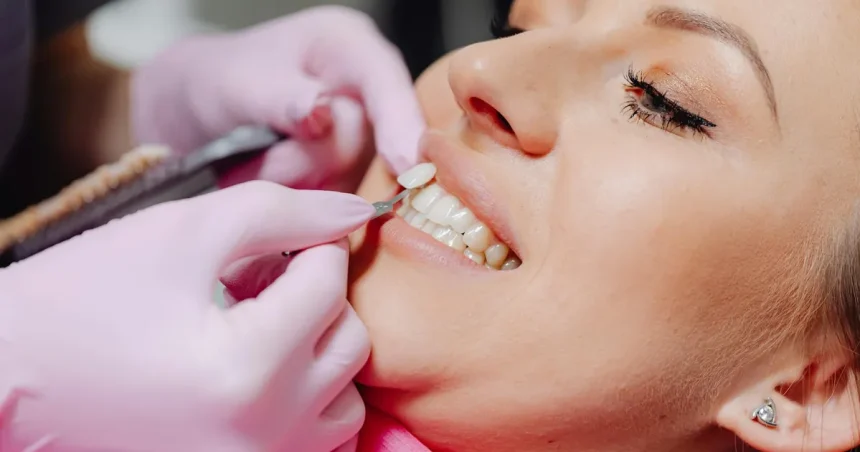
Yellow stains on teeth can feel like an unwelcome guest that overstays its welcome, dimming your smile and confidence in an instant. Whether it’s from your morning coffee, a glass of red wine, or simply the natural aging process, those stubborn discolorations seem to appear overnight. The good news? You don’t have to live with them. Removing yellow stains from teeth fast is entirely possible with the right strategies—some you can try at home today, others with professional guidance. The key lies in understanding the root cause of the staining and choosing methods that are both effective and safe for your enamel. From natural remedies to advanced treatments, this guide covers everything you need to know to restore your teeth to their brightest, whitest state without the guesswork.
What Causes Yellow Stains on Teeth?
Before diving into solutions, it’s essential to understand why teeth turn yellow in the first place. The culprits are often a mix of external and internal factors. Extrinsic stains occur on the surface of the tooth and are typically caused by foods, drinks, and habits like smoking. Coffee, tea, soda, and red wine are notorious for leaving behind pigments that cling to enamel. Even certain spices, like turmeric, can contribute to discoloration over time. On the other hand, intrinsic stains develop from within the tooth and are often the result of aging, trauma, or excessive fluoride exposure during childhood. Medications like tetracycline antibiotics can also lead to deep, stubborn staining that’s harder to remove. Understanding whether your stains are extrinsic or intrinsic will help you choose the most effective treatment.
Common Foods and Drinks That Stain Teeth
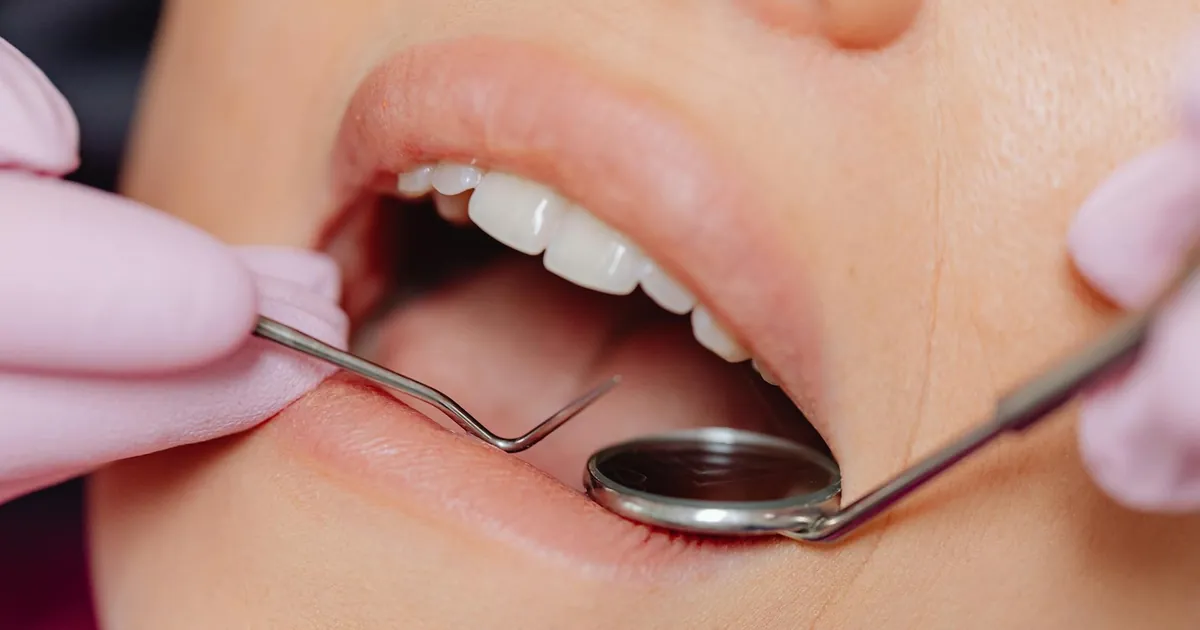
Your diet plays a significant role in the color of your teeth. Dark-colored beverages like coffee, tea, and cola contain tannins, which are plant-based compounds that bind to enamel and cause yellowing. Acidic drinks, such as citrus juices and soda, can erode enamel over time, making teeth more susceptible to stains. Even seemingly healthy foods like berries, soy sauce, and balsamic vinegar can leave behind pigments that dull your smile. If you’re a smoker, nicotine and tar are among the worst offenders, creating a yellow or brown film that’s difficult to remove. The good news? Many of these stains can be reversed with the right approach.
How Aging and Genetics Play a Role
Even if you’ve avoided staining foods and drinks, your teeth may still yellow as you age. This happens because the outer layer of enamel gradually wears away, revealing the naturally yellow dentin beneath. Genetics also play a role—some people are born with thicker or thinner enamel, which affects how white their teeth appear. If your parents had yellow teeth, there’s a chance you might too. While you can’t change your genetics, you can take steps to minimize the effects of aging on your smile. Regular dental care and whitening treatments can help maintain a brighter appearance as the years go by.
Natural Remedies to Remove Yellow Stains Fast
If you’re looking for a quick, budget-friendly way to brighten your teeth, natural remedies can be a great starting point. These methods are often gentler than commercial whitening products and can be done with ingredients you already have at home. While they may not deliver dramatic results overnight, consistent use can lead to noticeable improvements over time. The best part? Most of these remedies are safe for daily use and won’t damage your enamel when used correctly. Here are some of the most effective natural solutions for removing yellow stains from teeth fast.
Baking Soda and Hydrogen Peroxide Paste
Baking soda is a mild abrasive that can help scrub away surface stains, while hydrogen peroxide acts as a natural bleaching agent. Together, they form a powerful yet gentle whitening paste. To use this method, mix one tablespoon of baking soda with two tablespoons of hydrogen peroxide (3%) to create a thick paste. Brush your teeth with the mixture for about two minutes, then rinse thoroughly with water. Limit this treatment to once or twice a week to avoid damaging your enamel. Many people see results after just a few applications, making it one of the fastest natural whitening methods available.
Oil Pulling with Coconut Oil
Oil pulling is an ancient Ayurvedic practice that involves swishing oil around in your mouth to remove bacteria and toxins. Coconut oil is particularly effective because it contains lauric acid, which has antibacterial properties. To try this method, take a tablespoon of coconut oil and swish it around in your mouth for 15–20 minutes. Spit it out (don’t swallow it!) and rinse with warm water. Oil pulling not only helps whiten teeth but also improves overall oral health by reducing plaque and gingivitis. For best results, do this daily before brushing your teeth. While it may take a few weeks to see noticeable whitening, the benefits for your gums and breath are immediate.
Over-the-Counter Whitening Products That Work
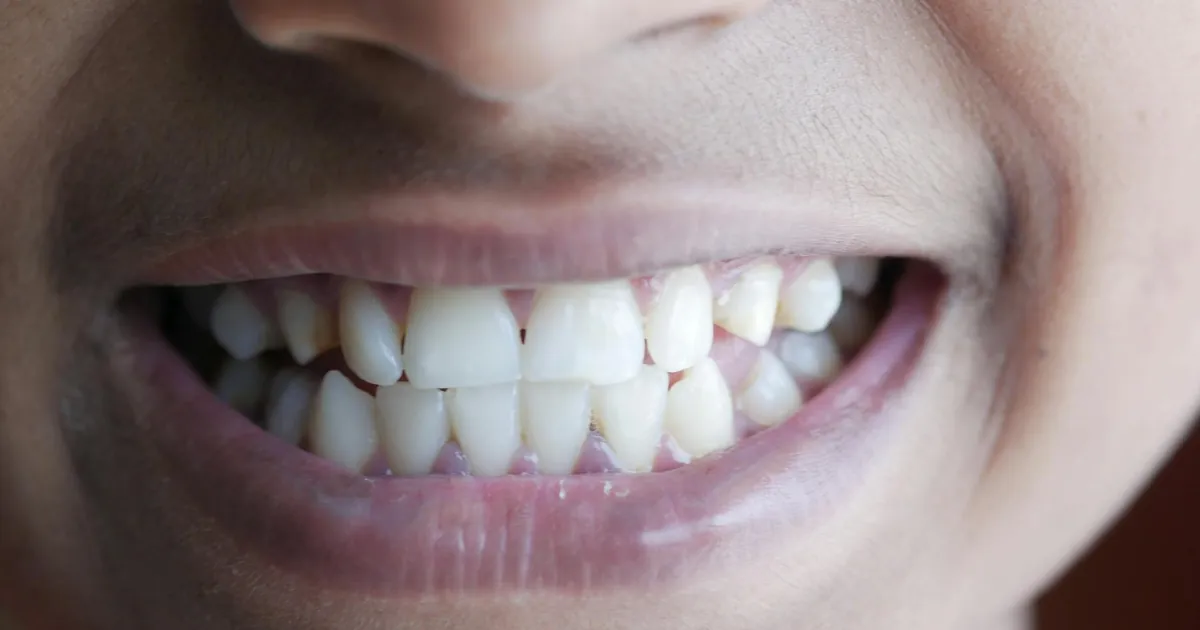
If natural remedies aren’t delivering the results you want, over-the-counter (OTC) whitening products can be a great next step. These products are designed to be convenient, affordable, and effective, making them a popular choice for people looking to remove yellow stains from teeth fast. From whitening toothpastes to strips and gels, there’s a wide range of options to suit different needs and budgets. The key is choosing a product that’s both safe and backed by science. Here’s what you need to know about the most effective OTC whitening solutions.
Whitening Toothpastes and Mouthwashes
Whitening toothpastes and mouthwashes are the easiest way to incorporate whitening into your daily routine. These products contain mild abrasives or chemical agents like hydrogen peroxide or carbamide peroxide to help lift surface stains. While they won’t change the natural color of your teeth, they can make a noticeable difference in brightness over time. Look for toothpastes with the American Dental Association (ADA) Seal of Acceptance, which ensures they’re safe and effective. Mouthwashes with whitening agents can also help freshen breath while gradually lightening stains. For best results, use these products consistently for at least four to six weeks.
Whitening Strips and Gels
Whitening strips and gels are among the most popular OTC whitening products because they deliver visible results in a short amount of time. Strips are thin, flexible pieces of plastic coated with a peroxide-based gel that you apply directly to your teeth. Most strips are worn for 30 minutes to an hour daily for about two weeks. Gels, on the other hand, are applied with a brush and can be used for shorter or longer periods depending on the product. Both methods can lighten teeth by several shades, but they may cause temporary sensitivity. To minimize discomfort, follow the instructions carefully and avoid overusing these products.
Professional Teeth Whitening Options
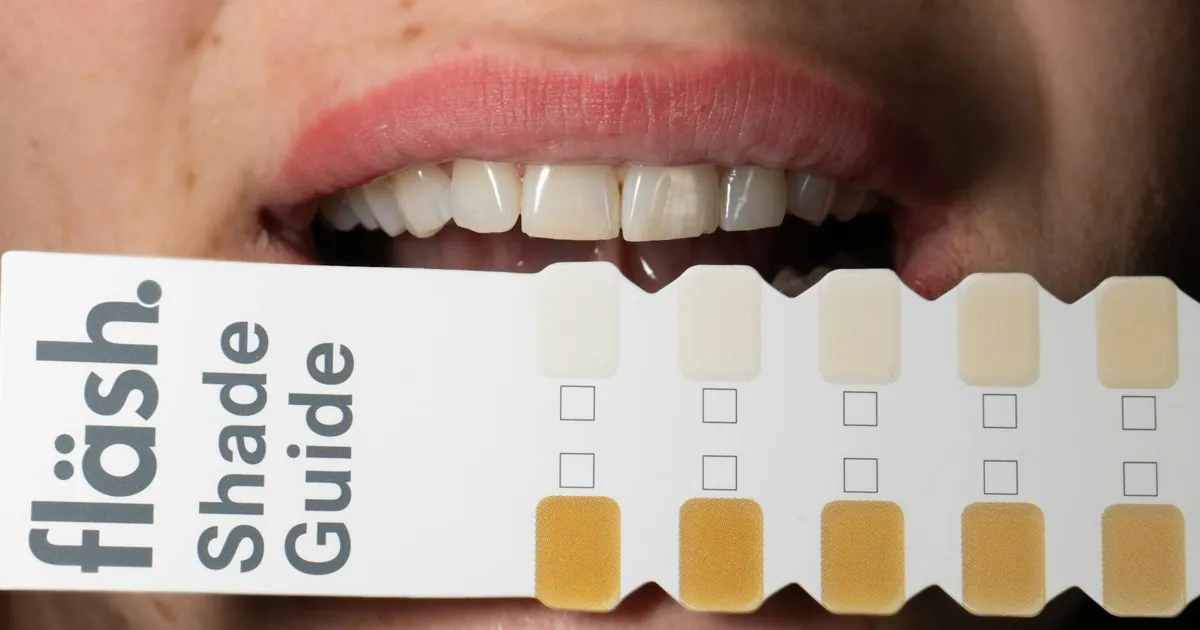
For those who want dramatic, long-lasting results, professional teeth whitening is the gold standard. Unlike OTC products, professional treatments use stronger whitening agents and are performed under the supervision of a dentist, ensuring both safety and effectiveness. Whether you opt for an in-office procedure or a take-home kit prescribed by your dentist, professional whitening can remove years of stains in just one session. The results are often more uniform and longer-lasting than what you’d achieve with at-home methods. If you’re serious about removing yellow stains from teeth fast, this is the route to consider.
In-Office Laser Whitening
In-office laser whitening is one of the fastest and most effective ways to brighten your smile. During this procedure, a dentist applies a high-concentration peroxide gel to your teeth and activates it with a special laser or light. The entire process takes about an hour and can lighten teeth by up to eight shades in a single session. The results are immediate, making it ideal for people who need a quick fix for a special event. While it’s more expensive than other methods, the dramatic results and professional oversight make it worth the investment. Plus, your dentist can tailor the treatment to your specific needs, ensuring the best possible outcome.
Custom Take-Home Whitening Trays
If you prefer the convenience of whitening at home but still want professional-grade results, custom take-home trays are an excellent option. Your dentist will create a set of trays molded to fit your teeth perfectly, along with a professional-strength whitening gel. You’ll wear the trays for a specified amount of time each day, usually for one to two weeks. The custom fit ensures even coverage and minimizes gum irritation, making it a safer and more effective alternative to OTC strips or gels. While it takes longer to see results than in-office treatments, the outcome is often just as impressive—and you can touch up your smile whenever needed.
Lifestyle Changes to Prevent Future Stains
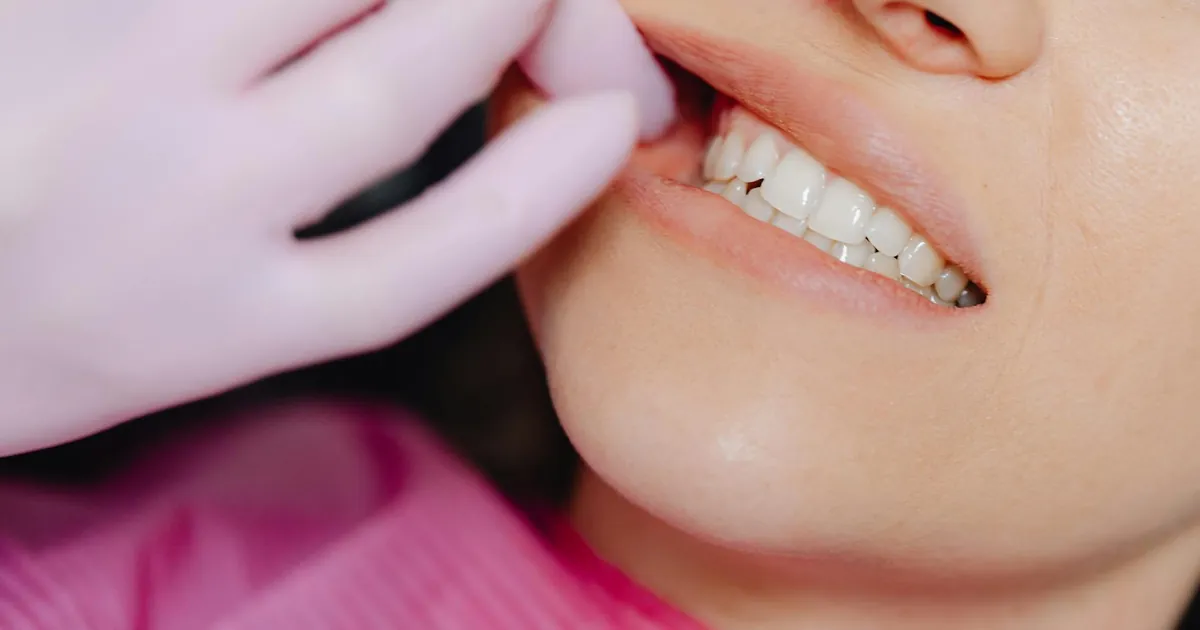
Removing yellow stains from teeth fast is only half the battle—keeping them from coming back is just as important. The good news is that simple lifestyle changes can go a long way in preserving your bright smile. From tweaking your diet to improving your oral hygiene routine, small adjustments can make a big difference in preventing future discoloration. The key is consistency. By making these habits a part of your daily life, you can enjoy a whiter, healthier smile for years to come. Here’s what you can do to keep your teeth looking their best.
Foods and Drinks to Avoid
If you’re serious about maintaining a white smile, it’s time to rethink your diet. Certain foods and drinks are notorious for staining teeth, and limiting them can help prevent future discoloration. Coffee, tea, and red wine are among the biggest offenders, but even seemingly healthy options like berries and tomato sauce can leave behind pigments. If you can’t give up your morning coffee or evening glass of wine, try drinking through a straw to minimize contact with your teeth. Rinsing your mouth with water after consuming staining foods can also help wash away pigments before they set in. Over time, these small changes can make a big difference in keeping your teeth bright.
Daily Habits for a Whiter Smile
Good oral hygiene is the foundation of a white smile. Brushing your teeth twice a day with a fluoride toothpaste helps remove surface stains and prevents plaque buildup, which can lead to yellowing. Flossing daily is just as important, as it removes food particles and bacteria from between your teeth where your toothbrush can’t reach. Using a whitening mouthwash can also help maintain your results by killing bacteria and freshening breath. Additionally, consider switching to an electric toothbrush, which is more effective at removing plaque and stains than a manual brush. Finally, don’t forget to visit your dentist every six months for a professional cleaning. These simple habits can help keep your teeth looking their best between whitening treatments.
Key Takeaways
- Yellow stains on teeth can be caused by extrinsic factors like food, drinks, and smoking, or intrinsic factors like aging and genetics.
- Natural remedies like baking soda, hydrogen peroxide, and oil pulling can help remove surface stains safely and effectively.
- Over-the-counter whitening products, such as toothpastes, strips, and gels, offer convenient and affordable solutions for brighter teeth.
- Professional whitening treatments, including in-office laser whitening and custom take-home trays, deliver the fastest and most dramatic results.
- Lifestyle changes, such as avoiding staining foods and improving oral hygiene, can help prevent future discoloration and maintain a white smile.
- Consistency is key—whether you choose natural remedies, OTC products, or professional treatments, regular use is essential for long-lasting results.
- Always consult your dentist before starting any whitening treatment to ensure it’s safe and suitable for your teeth.
“Teeth whitening is one of the most requested cosmetic dental procedures, and for good reason—it’s a quick, non-invasive way to enhance your smile. However, not all whitening methods are created equal. Professional treatments are the safest and most effective because they’re tailored to your specific needs and performed under expert supervision. At-home remedies can work, but they require patience and consistency. The best approach is a combination of professional whitening and good oral hygiene to maintain results long-term.”
—Dr. Sarah Johnson, DDS, Cosmetic Dentist at SmileBright Dental
Frequently Asked Questions
How long does it take to remove yellow stains from teeth?
The time it takes to remove yellow stains depends on the method you choose. Natural remedies like baking soda or oil pulling may take a few weeks to show noticeable results, while over-the-counter whitening strips or gels can lighten teeth in as little as one to two weeks. Professional treatments, such as in-office laser whitening, can deliver dramatic results in just one session. For the fastest results, professional whitening is the best option, but consistency is key with any method. Keep in mind that deeper, intrinsic stains may take longer to fade than surface stains.
Are natural whitening methods safe for daily use?
Most natural whitening methods are safe for occasional use, but some can be too abrasive or harsh if used daily. For example, baking soda is a mild abrasive that can help remove surface stains, but using it too often can wear down enamel over time. Similarly, hydrogen peroxide can irritate gums if used in high concentrations or too frequently. Oil pulling with coconut oil is generally safe for daily use and can even improve oral health. If you’re unsure about a method, it’s best to consult your dentist before incorporating it into your routine. They can recommend safe, effective options tailored to your needs.
Can whitening toothpaste damage enamel?
Whitening toothpastes are formulated to be safe for daily use, but some can be more abrasive than regular toothpastes. The abrasives in these products help scrub away surface stains, but over time, they can wear down enamel if used excessively. To minimize the risk, choose a whitening toothpaste with the ADA Seal of Acceptance, which ensures it’s both safe and effective. Additionally, avoid brushing too hard, as this can further damage enamel. If you experience sensitivity or discomfort, switch to a gentler toothpaste or reduce the frequency of use. Your dentist can also recommend alternatives if you’re concerned about enamel erosion.
What’s the fastest way to whiten teeth at home?
The fastest way to whiten teeth at home is to use over-the-counter whitening strips or gels. These products contain peroxide-based bleaching agents that can lighten teeth by several shades in as little as one to two weeks. For even quicker results, some kits offer accelerated treatments that can be completed in just a few days. However, it’s important to follow the instructions carefully to avoid sensitivity or gum irritation. If you’re looking for a more natural approach, a baking soda and hydrogen peroxide paste can deliver noticeable results in about a week with consistent use. For the best outcome, combine at-home whitening with good oral hygiene habits.
Is professional whitening worth the cost?
Professional whitening is often worth the investment, especially if you’re looking for dramatic, long-lasting results. In-office treatments use stronger whitening agents and advanced technology, such as lasers or lights, to achieve faster and more uniform results than at-home methods. Custom take-home trays prescribed by your dentist are another professional option that offers convenience and effectiveness. While professional whitening is more expensive than over-the-counter products, the results are typically more impressive and longer-lasting. Plus, your dentist can tailor the treatment to your specific needs, ensuring safety and comfort. If you’re preparing for a special event or want a guaranteed bright smile, professional whitening is the way to go.
How can I maintain my white smile after whitening?
Maintaining a white smile after whitening requires a combination of good oral hygiene and smart lifestyle choices. Start by brushing your teeth twice a day with a whitening toothpaste and flossing daily to remove plaque and prevent stains. Use a whitening mouthwash to help maintain your results and freshen your breath. Avoid or limit foods and drinks that stain teeth, such as coffee, tea, red wine, and dark berries. If you can’t give them up, try drinking through a straw or rinsing your mouth with water afterward. Regular dental cleanings every six months can also help keep your teeth bright. Finally, consider touch-up treatments with whitening strips or gels as needed to maintain your results.
Are there any risks associated with teeth whitening?
While teeth whitening is generally safe, there are some risks to be aware of, especially with overuse or improper application. The most common side effect is tooth sensitivity, which can occur when the whitening agent penetrates the enamel and irritates the nerves inside the tooth. Gum irritation is another potential issue, particularly with at-home whitening products that don’t fit properly. Overusing whitening products can also lead to enamel erosion, making teeth more susceptible to stains and damage. To minimize risks, follow the instructions carefully and consult your dentist before starting any whitening treatment. They can recommend the safest and most effective options for your specific needs.
Your smile is one of the first things people notice about you, and yellow stains can take away from its natural beauty. The good news is that removing yellow stains from teeth fast is entirely achievable with the right approach. Whether you opt for natural remedies, over-the-counter products, or professional treatments, consistency and care are key to achieving and maintaining a bright, white smile. Start with small changes, like improving your oral hygiene routine or trying a baking soda paste, and gradually explore more advanced options if needed. Remember, the best results come from a combination of effective treatments and smart lifestyle choices. If you’re ready to take the next step, check out our related article on the best methods for teeth whitening that actually work. Your brighter, more confident smile is just a few steps away—don’t wait to start your journey to a whiter, healthier you.