

Sugar affects your dental health in ways most people never realize—until they’re sitting in the dentist’s chair with a cavity the size of a pea. That innocent morning latte with two sugars, the mid-afternoon candy bar, or even the “healthy” fruit smoothie packed with hidden sweeteners all feed the bacteria in your mouth, setting off a chain reaction that erodes enamel, breeds cavities, and can lead to gum disease. But here’s the surprising part: it’s not just about how much sugar you eat, but how often you eat it, what form it takes, and even when you consume it. Your teeth are under constant attack from acidic byproducts every time sugar touches them, and without the right defenses, that attack can turn into permanent damage. The good news? Understanding the science behind sugar’s impact on your teeth empowers you to make smarter choices—without giving up all the foods you love.
What Happens When Sugar Meets Your Teeth?
When sugar enters your mouth, it doesn’t directly harm your teeth—instead, it fuels the real culprits: bacteria. Your mouth is home to hundreds of bacterial species, some of which thrive on sugar. The most notorious, Streptococcus mutans, feasts on sucrose (table sugar) and other simple carbohydrates, producing acid as a byproduct. This acid is the true villain, dissolving the minerals in your tooth enamel in a process called demineralization. Enamel, the hard outer layer of your teeth, is your body’s first line of defense against decay. Once it weakens, cavities form, and if left unchecked, the damage can reach the softer dentin beneath, leading to pain, infection, and even tooth loss.
Here’s the kicker: this acid attack doesn’t stop when you finish eating. It continues for about 20 to 30 minutes after each sugar exposure, meaning frequent snacking or sipping sugary drinks keeps your teeth bathed in acid all day. Over time, this constant assault overwhelms your mouth’s natural repair process, called remineralization, where saliva replenishes lost minerals. If the balance tips too far toward demineralization, cavities win. The type of sugar matters too. Sticky sugars, like those in caramel or dried fruit, cling to teeth longer, giving bacteria more time to produce acid. Even “natural” sugars, like honey or agave, aren’t off the hook—they’re just as damaging if they linger on your teeth.
The Role of Saliva in the Sugar Battle
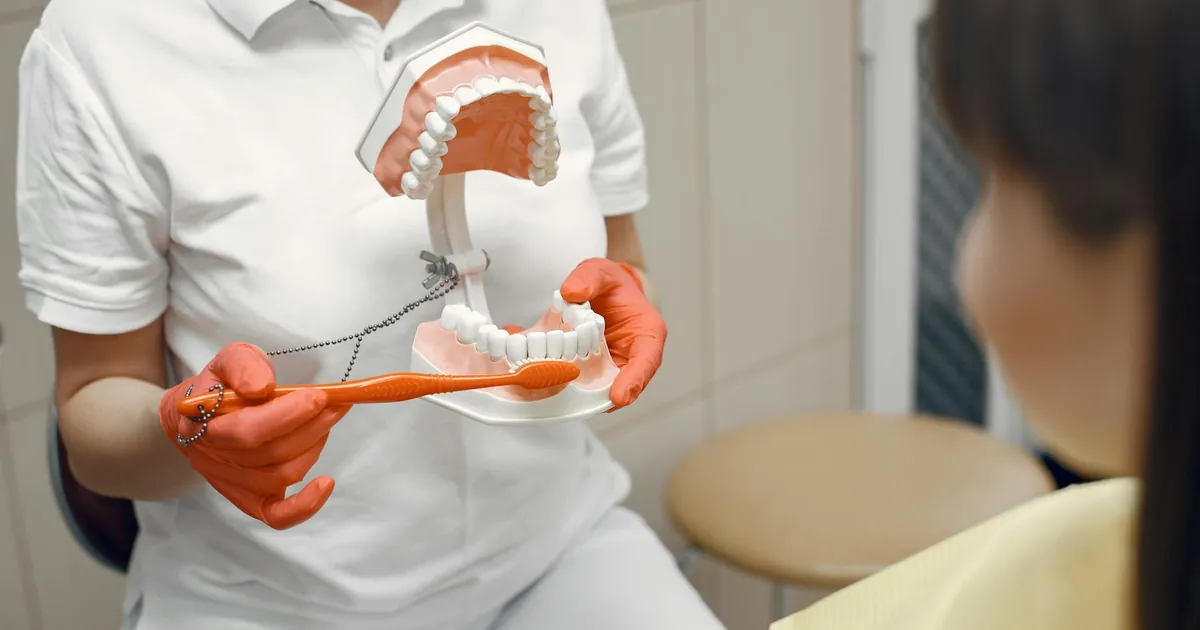
Saliva is your mouth’s unsung hero in the fight against sugar damage. It neutralizes acids, washes away food particles, and delivers calcium and phosphate to repair weakened enamel. But saliva can only do so much. If you’re constantly snacking on sugary foods or sipping sweetened drinks, your saliva doesn’t get a chance to recover. Dry mouth, a common side effect of medications or certain health conditions, exacerbates the problem by reducing saliva flow, leaving your teeth more vulnerable to acid attacks. Chewing sugar-free gum or staying hydrated can help stimulate saliva production, but it’s not a substitute for cutting back on sugar.
Why Some People Are More Prone to Sugar Damage
Not everyone’s teeth react to sugar the same way. Genetics play a role—some people naturally have stronger enamel or more resilient saliva. Others may have deep grooves in their molars where sugar and bacteria hide, making them more cavity-prone. Poor oral hygiene habits, like infrequent brushing or skipping flossing, also increase risk by allowing sugar and bacteria to linger. Even your diet outside of sugar matters. A lack of calcium, vitamin D, or phosphorus can weaken enamel, while acidic foods (like citrus or soda) erode it directly, compounding sugar’s effects. If you’re someone who brushes twice a day but still gets cavities, your sugar habits might be the missing link.
Hidden Sugars: The Sneaky Culprits in Your Diet
You might think you’re avoiding sugar by skipping dessert, but it’s lurking in places you’d never suspect. Breakfast cereals, yogurt, granola bars, and even salad dressings often contain added sugars under names like high-fructose corn syrup, maltose, or dextrose. A single serving of flavored yogurt can pack as much sugar as a candy bar, and that “healthy” smoothie from the juice shop? It might have more sugar than a can of soda. These hidden sugars are especially dangerous because they’re consumed throughout the day, keeping your teeth under constant acid attack without you realizing it.
Even foods marketed as “low-sugar” or “natural” can be deceptive. Agave nectar, for example, is often touted as a healthier alternative to sugar, but it’s still a concentrated source of fructose, which bacteria love just as much as sucrose. The same goes for coconut sugar or maple syrup—while they may have slightly better nutritional profiles, they’re still sugar at the end of the day. The key is to read labels carefully. Ingredients are listed by quantity, so if sugar (or one of its aliases) appears in the first few ingredients, it’s a red flag. Better yet, opt for whole foods like fresh fruit, nuts, or plain dairy, which contain natural sugars but also fiber, protein, or fat to slow down sugar’s impact on your teeth.
Sugar in Drinks: The Silent Enamel Destroyers

Sugary drinks are one of the worst offenders for dental health because they bathe your teeth in sugar and acid for extended periods. Soda is the obvious villain, but sports drinks, energy drinks, and even fruit juices can be just as damaging. A 12-ounce can of soda contains about 10 teaspoons of sugar, and many people sip on these drinks slowly, prolonging the acid attack. Even diet sodas aren’t safe—they’re highly acidic, which erodes enamel directly. The worst habit? Sipping on sugary drinks throughout the day, like a latte with syrup or a sweetened iced tea. Each sip restarts the 20-minute acid attack, giving your teeth no time to recover.
If you can’t give up your favorite drinks, try using a straw to minimize contact with your teeth, or rinse your mouth with water afterward. Better yet, switch to unsweetened options like black coffee, herbal tea, or sparkling water with a splash of citrus. If you do indulge, do it with a meal—chewing food stimulates saliva, which helps neutralize acid. And never brush your teeth immediately after drinking something acidic, like soda or orange juice. The acid softens enamel temporarily, and brushing can actually wear it away. Wait at least 30 minutes to let your saliva do its job first.
Processed Foods: The Sugar Bombs in Disguise
Processed foods are often loaded with added sugars to enhance flavor, texture, or shelf life. Even savory foods like ketchup, barbecue sauce, or canned soups can contain surprising amounts of sugar. A single tablespoon of ketchup has about a teaspoon of sugar, and a serving of pasta sauce can have even more. These foods are especially problematic because they’re sticky or saucy, clinging to teeth and providing a steady food source for bacteria. The solution? Cook at home more often, where you can control the ingredients. When you do buy processed foods, opt for “no added sugar” versions or check the label for sugar content. And don’t be fooled by “organic” or “natural” labels—sugar is sugar, no matter the source.
How Sugar Fuels Gum Disease and Bad Breath
Sugar doesn’t just cause cavities—it’s also a major contributor to gum disease, a serious condition that affects nearly half of adults over 30. When sugar feeds the bacteria in your mouth, it doesn’t just produce acid; it also creates a sticky film called plaque. If plaque isn’t removed through brushing and flossing, it hardens into tartar, which irritates the gums and leads to inflammation. This early stage of gum disease, called gingivitis, causes red, swollen gums that bleed easily. Left untreated, it can progress to periodontitis, where the gums pull away from the teeth, forming pockets that become infected. Over time, this can destroy the bone and tissue supporting your teeth, leading to tooth loss.
Bad breath, or halitosis, is another unpleasant side effect of sugar consumption. The same bacteria that produce acid also release foul-smelling compounds as they break down sugar. These compounds, like hydrogen sulfide (which smells like rotten eggs), linger in your mouth and contribute to chronic bad breath. Even if you brush your teeth regularly, if you’re consuming a lot of sugar, those bacteria will keep coming back. The only way to break the cycle is to reduce sugar intake and improve oral hygiene. Flossing daily is especially important because it removes plaque and food particles from between teeth, where bacteria love to hide.
The Link Between Sugar and Systemic Health

Your mouth isn’t an isolated system—what happens there affects your entire body. Research has linked gum disease to serious health conditions like heart disease, diabetes, and even Alzheimer’s. The theory is that the inflammation caused by gum disease can spread through the bloodstream, contributing to systemic inflammation. Sugar plays a role in this by fueling the bacteria that cause gum disease in the first place. People with diabetes, for example, are more prone to gum disease because high blood sugar levels create an ideal environment for bacteria to thrive. Conversely, gum disease can make it harder to control blood sugar, creating a vicious cycle.
Reducing sugar intake isn’t just good for your teeth—it’s good for your overall health. Studies have shown that cutting back on sugar can lower inflammation, improve insulin sensitivity, and even reduce the risk of chronic diseases. It’s a win-win for your mouth and your body. If you’re struggling to cut back, start small. Swap sugary snacks for fresh fruit, nuts, or cheese, which are less harmful to teeth and provide nutrients that support oral health. Your future self (and your dentist) will thank you.
Protecting Your Teeth: Smart Strategies to Counter Sugar’s Effects
You don’t have to eliminate sugar completely to protect your teeth, but you do need a strategy to minimize its damage. The first step is timing. Instead of snacking on sugary foods throughout the day, eat them with meals. Chewing food stimulates saliva, which helps neutralize acid and wash away sugar. If you do indulge in a sweet treat, follow it with a glass of water to rinse your mouth. Avoid sticky or hard candies, which cling to teeth or can crack enamel. And never go to bed without brushing—sugar left on your teeth overnight is a recipe for cavities.
Your oral hygiene routine is your best defense against sugar damage. Brush twice a day with a fluoride toothpaste, which helps remineralize enamel and strengthen teeth. Fluoride is especially important because it makes teeth more resistant to acid attacks. Floss daily to remove plaque and food particles from between teeth, where your toothbrush can’t reach. If you’re prone to cavities, consider using a fluoride mouthwash or getting professional fluoride treatments from your dentist. And don’t forget to replace your toothbrush every three to four months—frayed bristles can’t clean effectively.
Dietary Tweaks to Outsmart Sugar
Small changes to your diet can make a big difference in protecting your teeth. Start by swapping sugary snacks for tooth-friendly alternatives. Cheese, for example, is low in sugar and high in calcium and phosphate, which help remineralize enamel. Crunchy fruits and vegetables, like apples or carrots, stimulate saliva and help scrub away plaque. Nuts are another great option—they’re low in sugar and high in healthy fats, which don’t feed bacteria. If you crave something sweet, opt for fresh fruit instead of candy or baked goods. The fiber in fruit slows down sugar absorption, reducing its impact on your teeth.
Another smart move? Cut back on sugary drinks. If you can’t give them up entirely, try diluting them with water or using a straw to minimize contact with your teeth. And always rinse your mouth with water afterward. If you’re a coffee or tea drinker, avoid adding sugar—try cinnamon or a sugar-free sweetener instead. And if you chew gum, make it sugar-free. Chewing gum stimulates saliva, which helps neutralize acid and wash away sugar. Just make sure it’s sweetened with xylitol, a sugar alcohol that actually inhibits bacterial growth.
The Power of Xylitol and Other Sugar Alternatives
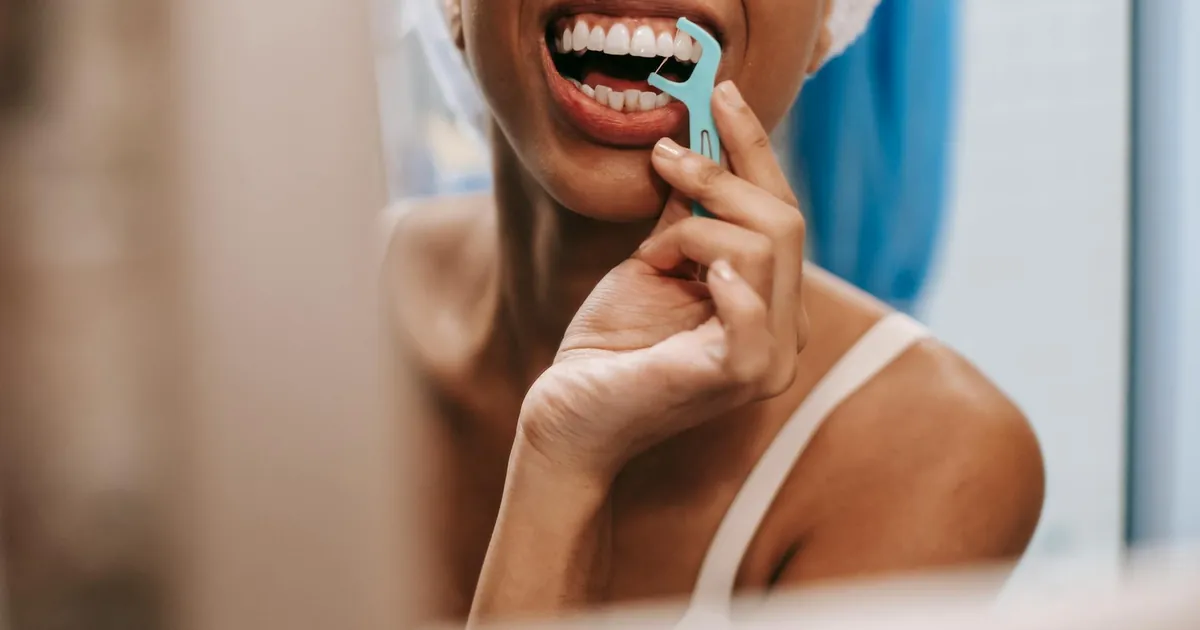
Not all sugar substitutes are created equal when it comes to dental health. Xylitol, a natural sweetener found in many sugar-free gums and mints, is one of the best options because it doesn’t feed bacteria. In fact, it actually inhibits the growth of Streptococcus mutans, the bacteria most responsible for cavities. Studies have shown that using xylitol regularly can reduce plaque and lower the risk of cavities. Other sugar alcohols, like erythritol and sorbitol, are also better for your teeth than sugar, though they’re not as effective as xylitol. Just be mindful of overconsumption—some sugar alcohols can cause digestive upset in large amounts.
Avoid artificial sweeteners like aspartame or saccharin, which don’t have the same dental benefits as xylitol. And steer clear of honey, maple syrup, or other “natural” sweeteners—they’re still sugar, even if they’re less processed. If you’re looking for a sugar alternative to use in baking or cooking, consider monk fruit or stevia, which are plant-based and don’t feed bacteria. Just remember that even sugar-free sweeteners can be acidic, so it’s still important to practice good oral hygiene.
Key Takeaways
- Sugar fuels harmful mouth bacteria, which produce acid that erodes tooth enamel and causes cavities.
- Frequent sugar exposure keeps teeth under constant acid attack, increasing the risk of decay.
- Hidden sugars in processed foods, drinks, and “healthy” snacks are major contributors to dental problems.
- Sugary drinks are especially damaging because they bathe teeth in sugar and acid for extended periods.
- Gum disease and bad breath are often linked to high sugar consumption and poor oral hygiene.
- Timing matters—eating sugar with meals reduces its impact by stimulating saliva production.
- Xylitol and other sugar alcohols can help protect teeth by inhibiting bacterial growth.
- Good oral hygiene, including brushing, flossing, and fluoride use, is essential for countering sugar’s effects.
Expert Insights
“Most people don’t realize that it’s not just the amount of sugar they consume, but the frequency that matters most. Every time you eat or drink something sugary, your teeth are under attack for 20 to 30 minutes. That’s why sipping on a soda all afternoon is far worse than drinking it with lunch. The key to protecting your teeth is to limit sugar exposure and give your mouth time to recover between meals.”
—Dr. Maria Lopez, DDS, spokesperson for the American Dental Association
Frequently Asked Questions
Does sugar cause cavities directly?
No, sugar itself doesn’t cause cavities—it’s the acid produced by bacteria feeding on sugar that damages teeth. When you consume sugar, bacteria in your mouth break it down and release acid as a byproduct. This acid dissolves the minerals in your tooth enamel, leading to cavities over time. The more often you eat sugar, the more acid attacks your teeth endure, increasing the risk of decay.
Are natural sugars like honey or maple syrup better for teeth?
Natural sugars are still sugar, and they feed bacteria just as effectively as table sugar. Honey, maple syrup, and agave nectar may have slightly better nutritional profiles, but they’re just as damaging to teeth if they linger in your mouth. The only advantage of natural sugars is that they’re often less processed, but they’re not a “healthy” alternative when it comes to dental health. If you do consume them, rinse your mouth with water afterward and brush your teeth as soon as possible.
Can I brush my teeth immediately after eating sugar to prevent damage?
Brushing immediately after eating sugar can actually do more harm than good. The acid produced by bacteria softens your enamel temporarily, and brushing can wear it away. Instead, wait at least 30 minutes after eating or drinking something sugary to let your saliva neutralize the acid and remineralize your teeth. In the meantime, rinse your mouth with water or chew sugar-free gum to help wash away sugar and stimulate saliva.
How does sugar affect children’s teeth differently than adults’?
Children’s teeth are more vulnerable to sugar damage because their enamel is thinner and less mineralized than adults’. Baby teeth, in particular, have a thinner layer of enamel, making them more prone to cavities. Additionally, children often consume more sugary snacks and drinks, and they may not have the best brushing habits. This combination puts them at higher risk for early childhood cavities, which can affect the development of their permanent teeth. Parents should limit sugary foods and drinks, encourage good oral hygiene, and schedule regular dental checkups for their kids.
Is sugar-free gum really better for teeth?
Yes, sugar-free gum is much better for your teeth than regular gum. Chewing gum stimulates saliva production, which helps neutralize acid and wash away sugar. Sugar-free gum sweetened with xylitol is especially beneficial because xylitol inhibits the growth of cavity-causing bacteria. Studies have shown that chewing xylitol gum regularly can reduce plaque and lower the risk of cavities. Just make sure the gum is truly sugar-free—some “sugar-free” gums still contain small amounts of sugar or acidic ingredients that can harm teeth.
What’s the worst time of day to consume sugar for dental health?
The worst time to consume sugar is right before bed. When you sleep, your saliva production decreases, leaving your teeth more vulnerable to acid attacks. If you eat or drink something sugary before bed and don’t brush your teeth, the sugar and bacteria will linger in your mouth all night, increasing the risk of cavities. If you do indulge in a late-night snack, make sure it’s something low in sugar, like cheese or nuts, and brush your teeth afterward.
Can I reverse the damage sugar has already done to my teeth?
In some cases, yes—early-stage damage can be reversed through remineralization. Your saliva naturally repairs weakened enamel by replenishing lost minerals like calcium and phosphate. Fluoride, found in toothpaste and mouthwash, accelerates this process by making teeth more resistant to acid. If you’ve already developed cavities, however, they can’t heal on their own. You’ll need a filling or other dental treatment to restore the tooth. The best way to prevent further damage is to reduce sugar intake, improve oral hygiene, and visit your dentist regularly for checkups and cleanings.
Final Thoughts: Taking Control of Your Dental Health
Sugar’s impact on your teeth is undeniable, but the good news is that you have the power to minimize its damage. It’s not about deprivation—it’s about making smarter choices, like timing your sugar intake, opting for tooth-friendly snacks, and maintaining a solid oral hygiene routine. Small changes, like swapping soda for sparkling water or chewing xylitol gum after meals, can add up to big improvements in your dental health. And remember, your dentist isn’t just there to fix problems—they’re your partner in prevention. Regular checkups and cleanings can catch issues early, before they turn into costly or painful problems.
So next time you reach for that candy bar or sugary latte, pause for a second. Ask yourself: is this worth the 20-minute acid attack on my teeth? Chances are, you’ll find a better alternative—one that satisfies your sweet tooth without sacrificing your smile. Your future self will thank you when you’re still flashing a healthy, cavity-free grin decades from now.