


Teeth whitening tips without damaging enamel are what every bright-smile seeker needs to know before reaching for that over-the-counter kit. The quest for pearly whites often comes with a hidden cost—sensitive teeth, weakened enamel, or even irreversible damage that leaves your smile worse than before. But what if you could achieve a dazzling grin without compromising the protective layer that keeps your teeth strong? The secret lies in understanding how enamel works, which whitening methods are truly safe, and how small, consistent habits can make a world of difference. Whether you’re dealing with coffee stains, age-related yellowing, or just want to maintain your natural shine, this guide will walk you through science-backed strategies that protect your enamel while delivering noticeable results.
What Is Enamel and Why Does It Matter for Whitening?
Enamel is the hard, outer layer of your teeth—the hardest substance in the human body, in fact. It acts as a shield against daily wear, temperature changes, and acidic foods that can erode your teeth over time. But here’s the catch: enamel doesn’t regenerate. Once it’s damaged, it’s gone for good, leaving your teeth vulnerable to sensitivity, cavities, and discoloration. Many whitening products, especially those with harsh abrasives or high concentrations of bleaching agents, can strip away enamel, leading to long-term problems. That’s why safe whitening isn’t just about brightness—it’s about preserving the foundation of your smile.
When you whiten your teeth, the goal is to break down stains on the surface and within the dentin (the layer beneath enamel) without weakening the enamel itself. Hydrogen peroxide and carbamide peroxide, the active ingredients in most whitening treatments, work by penetrating the enamel to oxidize stains. But if used incorrectly, they can cause micro-fractures or increase porosity, making teeth more prone to future staining. The key is balance: using the right products, in the right way, for the right duration.
How Enamel Erosion Happens During Whitening
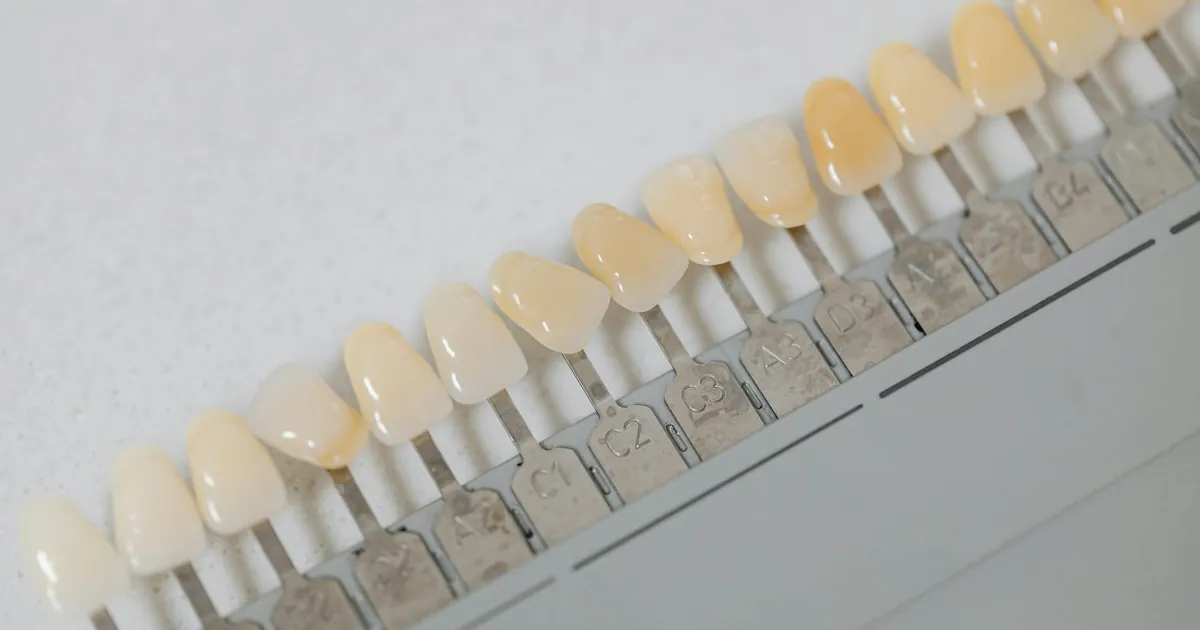
Enamel erosion during whitening typically occurs in two ways: chemical and mechanical. Chemical erosion happens when bleaching agents are too strong or left on the teeth for too long, breaking down the mineral structure of enamel. This is why over-the-counter strips or gels with high peroxide concentrations can be risky if misused. Mechanical erosion, on the other hand, comes from abrasive whitening toothpastes or scrubbing too hard with a toothbrush. Even baking soda, a popular DIY whitening remedy, can scratch enamel if used excessively. The result? Teeth that look whiter at first but become dull, sensitive, and prone to decay over time.
Signs Your Enamel Is at Risk
How do you know if your whitening routine is harming your enamel? Watch for these red flags: increased tooth sensitivity to hot or cold, a rough or uneven texture on your teeth, or a translucent appearance at the edges. If you notice these symptoms, it’s time to pause your whitening efforts and focus on remineralizing your enamel. Products with fluoride, calcium phosphate, or hydroxyapatite can help strengthen teeth and reduce sensitivity. For more on managing sensitivity, check out this related article on safe at-home treatments.
Safe Whitening Methods That Protect Enamel
Not all whitening methods are created equal. Some are gentle enough to use regularly without harming enamel, while others should be approached with caution. The safest options are those that either avoid bleaching agents altogether or use them in low, controlled doses. Professional treatments, for example, are supervised by dentists who can tailor the concentration and application time to your enamel’s needs. At-home alternatives, like whitening toothpastes with mild abrasives or LED light kits, can also be effective if used correctly. The trick is to prioritize enamel health over quick results.
One of the most enamel-friendly whitening methods is oil pulling, an ancient practice that involves swishing coconut or sesame oil in your mouth for 10–15 minutes. While it won’t bleach your teeth, it can reduce plaque and bacteria that contribute to staining. Another gentle option is activated charcoal, which binds to surface stains without the harshness of peroxide. However, it’s important to use charcoal sparingly—once a week at most—to avoid abrasive damage. For a deeper dive into natural whitening, explore these safe at-home methods.
Professional vs. At-Home Whitening: Which Is Safer?
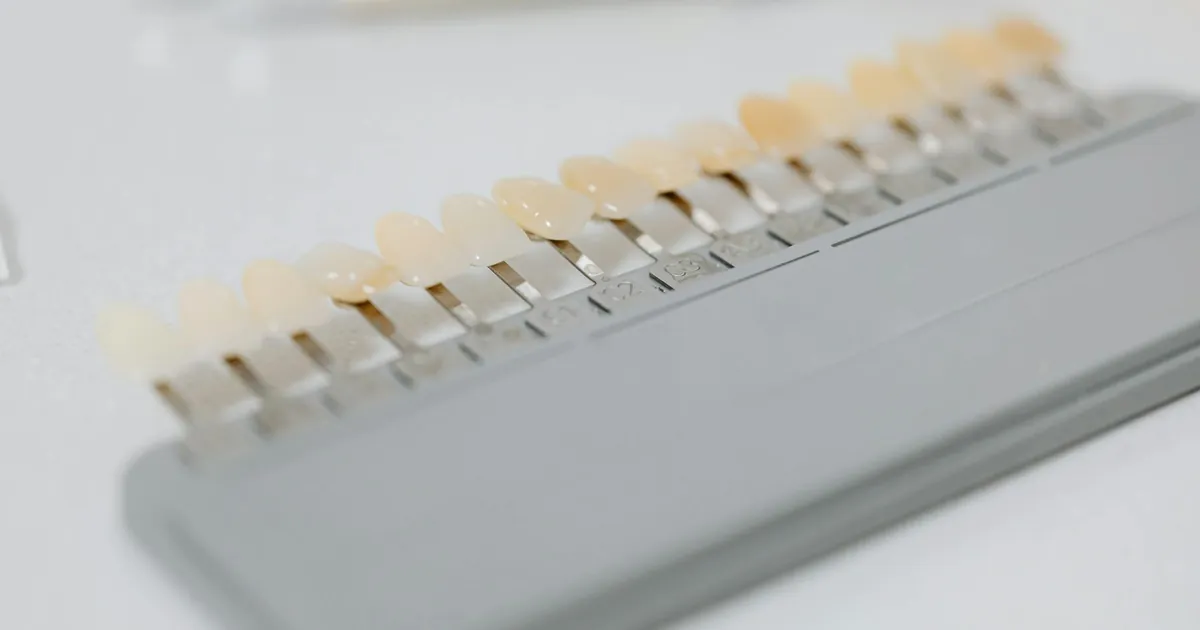
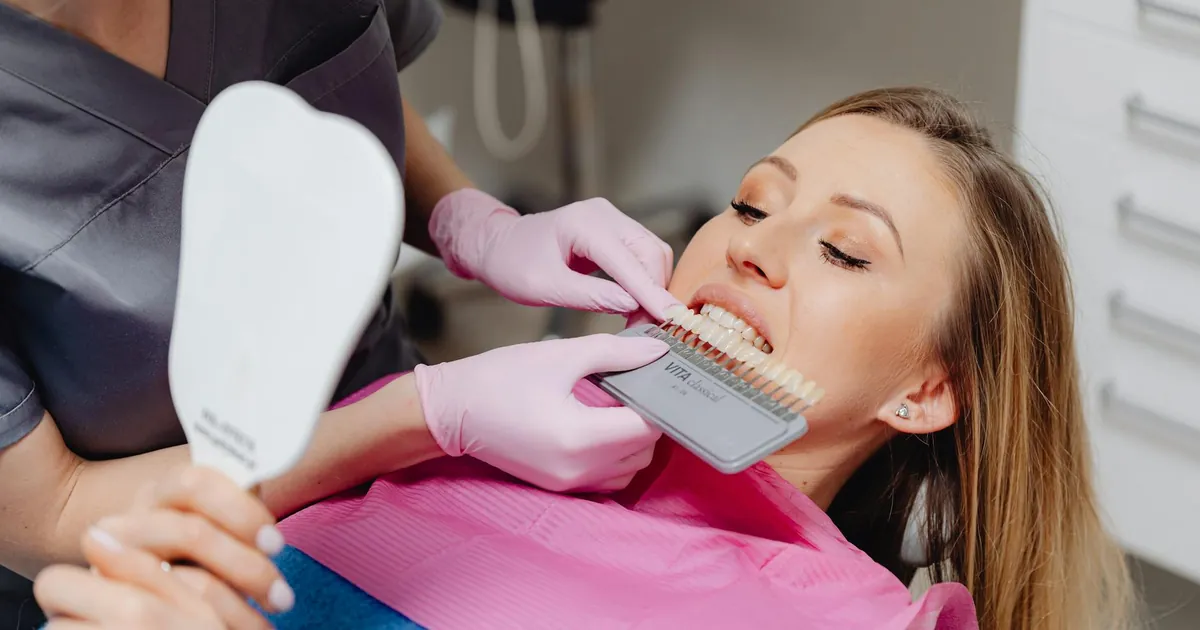
Professional whitening treatments, like those performed in a dentist’s office, are generally the safest option for enamel. Dentists use high-quality, regulated products and can apply protective barriers to your gums and enamel before treatment. They also monitor the process to prevent over-bleaching. At-home kits, while convenient, often lack these safeguards. Over-the-counter strips or trays may contain the same active ingredients as professional treatments, but without customization, they can lead to uneven whitening or enamel damage. If you opt for at-home whitening, choose products with the American Dental Association (ADA) Seal of Acceptance, which ensures they’ve been tested for safety and efficacy.
Whitening Toothpastes: Do They Work Without Harm?
Whitening toothpastes are a popular choice for maintaining a bright smile, but not all are created equal. The best ones use mild abrasives, like silica or calcium carbonate, to polish away surface stains without scratching enamel. Some also contain low concentrations of hydrogen peroxide or other bleaching agents for deeper whitening. However, toothpastes with high abrasiveness or excessive peroxide can wear down enamel over time. To minimize risk, look for products with a Relative Dentin Abrasivity (RDA) value below 70, and avoid brushing too aggressively. Pairing whitening toothpaste with a soft-bristled brush and proper technique—like the steps outlined in this guide to brushing correctly—can help protect your enamel while keeping your smile bright.
The Role of Diet in Whitening Without Enamel Damage
What you eat and drink plays a huge role in the color of your teeth—and in how well your whitening efforts hold up. Some foods and beverages are notorious for staining teeth, while others can actually help whiten them naturally. The key is to strike a balance: enjoy stain-causing foods in moderation and incorporate enamel-friendly options into your diet. For example, crunchy fruits and vegetables like apples, carrots, and celery act as natural toothbrushes, scrubbing away plaque and surface stains as you chew. Dairy products, like cheese and yogurt, contain lactic acid and calcium, which strengthen enamel and reduce the risk of erosion.
On the flip side, dark-colored foods and drinks—think coffee, tea, red wine, and berries—contain chromogens, which latch onto enamel and cause discoloration. Acidic foods, like citrus fruits and soda, can also weaken enamel, making it more susceptible to staining. If you can’t give up your morning coffee or evening glass of wine, try drinking through a straw to minimize contact with your teeth, and rinse your mouth with water afterward. This simple habit can significantly reduce staining without requiring drastic dietary changes.
Foods That Naturally Whiten Teeth
Certain foods can help whiten your teeth naturally by either scrubbing away stains or breaking down plaque. Pineapple, for example, contains bromelain, an enzyme that helps remove surface stains. Strawberries contain malic acid, which can lighten discoloration, though they should be used sparingly due to their sugar content. Dairy products, particularly hard cheeses, stimulate saliva production, which helps wash away food particles and neutralize acids that erode enamel. Even herbs like basil and thyme have antibacterial properties that can reduce plaque buildup, keeping your teeth looking brighter.
Habits That Sabotage Your Whitening Efforts
Some habits can undo your whitening efforts faster than you’d think. Smoking, for instance, is one of the worst offenders, as nicotine and tar leave stubborn yellow stains on enamel. Even vaping can contribute to discoloration due to the chemicals in e-liquids. Another common culprit is poor oral hygiene. Skipping brushing or flossing allows plaque to harden into tartar, which can’t be removed by whitening treatments and often requires a professional cleaning. Additionally, using your teeth as tools—like opening bottles or tearing packages—can chip enamel, making teeth more prone to staining and sensitivity. Breaking these habits is just as important as choosing the right whitening method.
Daily Habits to Maintain White Teeth and Strong Enamel
Achieving a white smile is only half the battle; maintaining it requires consistent, enamel-friendly habits. The good news? You don’t need to overhaul your routine—small tweaks can make a big difference. Start with your brushing technique. Brushing too hard or using a stiff-bristled brush can wear down enamel over time. Instead, opt for a soft-bristled brush and gentle, circular motions. Timing matters too. Brushing immediately after consuming acidic foods or drinks can actually accelerate enamel erosion, so wait at least 30 minutes. For more on the best times to brush, check out this guide on optimal brushing times.
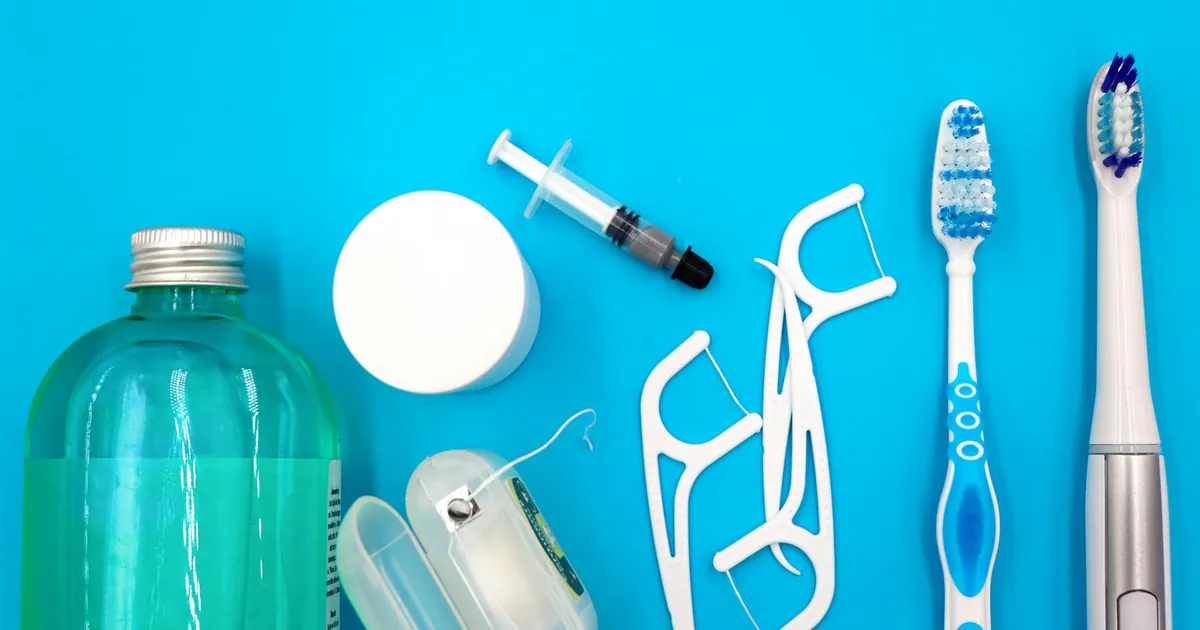
Flossing is another non-negotiable habit for maintaining white teeth. It removes plaque and food particles from between your teeth, where stains often start. If traditional floss is too harsh, try a water flosser or interdental brushes. Mouthwash can also help, but choose an alcohol-free formula to avoid drying out your mouth, which can increase the risk of enamel erosion. Finally, stay hydrated. Drinking water throughout the day helps rinse away food particles and bacteria that contribute to staining and decay.
The Best Oral Hygiene Routine for Whitening
A solid oral hygiene routine is the foundation of a white, healthy smile. Start with a fluoride toothpaste to strengthen enamel, and brush for two minutes, twice a day. Follow up with flossing to remove plaque from between your teeth, and finish with a mouthwash to kill bacteria and freshen your breath. If you’re using a whitening product, apply it after brushing and flossing to ensure it reaches all surfaces of your teeth. For an extra boost, consider using a remineralizing gel or toothpaste with hydroxyapatite, which can help repair micro-damage to enamel and reduce sensitivity.
How Often Should You Whiten Your Teeth?
Over-whitening is a common mistake that can lead to enamel damage and increased sensitivity. The frequency of whitening depends on the method you’re using. Professional treatments, for example, are typically done every 6–12 months, depending on your dentist’s recommendation. At-home kits, like strips or trays, should be used no more than once every 3–6 months, and only for the duration specified in the instructions. Whitening toothpastes can be used daily, but it’s best to alternate them with a fluoride toothpaste to protect your enamel. If you notice increased sensitivity or discomfort, take a break from whitening and focus on remineralizing your teeth.
Common Whitening Mistakes That Harm Enamel
Even with the best intentions, it’s easy to make mistakes that compromise your enamel while whitening. One of the biggest errors is using whitening products too frequently or for too long. Overuse can lead to enamel erosion, increased sensitivity, and even a bluish tint to your teeth—a condition known as “over-bleaching.” Another common mistake is using DIY remedies without understanding their risks. Lemon juice and baking soda, for example, are often touted as natural whitening agents, but their high acidity and abrasiveness can do more harm than good. Similarly, using whitening products on cavities or cracked teeth can cause severe pain and damage.
Another pitfall is neglecting to follow up whitening treatments with proper oral care. After whitening, your enamel is temporarily more porous and susceptible to staining. Avoid dark-colored foods and drinks for at least 48 hours, and use a remineralizing toothpaste to help strengthen your teeth. Finally, don’t ignore sensitivity. If your teeth become painful during or after whitening, it’s a sign that your enamel is being compromised. Switch to a gentler method or take a break until your teeth recover.
DIY Whitening Hacks to Avoid
DIY whitening hacks are everywhere, but not all of them are safe. One of the most dangerous is using hydrogen peroxide in high concentrations. While it’s an effective bleaching agent, undiluted hydrogen peroxide can burn your gums and erode enamel. Another risky trend is using activated charcoal daily. While it can remove surface stains, its abrasiveness can wear down enamel over time. Even oil pulling, while generally safe, can be ineffective if done incorrectly. Swishing for too long or using the wrong type of oil (like olive oil, which doesn’t have the same antibacterial properties as coconut oil) won’t give you the results you’re looking for.
How to Fix Enamel Damage After Whitening
If you’ve already noticed signs of enamel damage after whitening, don’t panic—there are ways to repair and strengthen your teeth. Start by switching to a remineralizing toothpaste or gel that contains fluoride, calcium phosphate, or hydroxyapatite. These ingredients help rebuild the mineral structure of your enamel and reduce sensitivity. You can also try oil pulling with coconut oil, which has antibacterial properties that can help prevent further damage. If your teeth are extremely sensitive, consider using a desensitizing toothpaste or gel before and after whitening treatments. In severe cases, your dentist may recommend a fluoride treatment or bonding to protect exposed dentin.
Key Takeaways
- Enamel is the protective outer layer of your teeth and doesn’t regenerate, so preserving it is crucial during whitening.
- Safe whitening methods include professional treatments, whitening toothpastes with mild abrasives, and natural remedies like oil pulling.
- Avoid overusing whitening products, as this can lead to enamel erosion, sensitivity, and even a bluish tint to your teeth.
- Your diet plays a significant role in maintaining white teeth—crunchy fruits, dairy, and water help, while coffee, tea, and acidic foods can stain.
- Daily habits like proper brushing, flossing, and staying hydrated are essential for keeping your smile bright and your enamel strong.
- Common whitening mistakes include overuse, using DIY remedies without understanding the risks, and neglecting post-whitening care.
- If you experience sensitivity or enamel damage, switch to remineralizing products and consult your dentist for personalized advice.
“The key to safe teeth whitening is understanding that enamel is non-renewable. Patients often focus on immediate results, but the real goal should be long-term oral health. Using ADA-approved products, following instructions carefully, and incorporating remineralizing habits into your routine can help you achieve a brighter smile without compromising your enamel.”
—Dr. Sarah Johnson, DDS, spokesperson for the American Dental Association
Frequently Asked Questions
Can I whiten my teeth if I have sensitive teeth?
Yes, but you’ll need to take extra precautions. Start by using a desensitizing toothpaste for a few weeks before whitening to reduce sensitivity. Opt for low-concentration whitening products, like those with 10% carbamide peroxide or less, and avoid over-the-counter strips or gels that can irritate sensitive teeth. Professional treatments are often the best option, as your dentist can tailor the process to your needs and apply protective barriers to your gums and enamel. After whitening, continue using a desensitizing toothpaste and avoid extremely hot or cold foods for a few days.
How long does it take to see results from safe whitening methods?
The timeline for whitening results depends on the method you’re using. Professional treatments can show noticeable results in as little as one session, while at-home kits may take 1–2 weeks of consistent use. Whitening toothpastes typically take 2–6 weeks to show a difference, as they work gradually to remove surface stains. Natural remedies, like oil pulling or baking soda, may take even longer—up to a month or more—to produce visible results. The key is patience. Rushing the process with harsh methods can damage your enamel and lead to long-term problems.
Are there any whitening methods that don’t use peroxide?
Yes! If you’re looking to avoid peroxide, there are several alternatives. Whitening toothpastes with mild abrasives, like silica or calcium carbonate, can polish away surface stains without bleaching agents. Activated charcoal is another option, though it should be used sparingly to avoid enamel damage. Oil pulling with coconut oil can reduce plaque and bacteria that contribute to staining, while crunchy fruits and vegetables act as natural toothbrushes. For more ideas, check out these natural whitening methods that don’t rely on peroxide.
What’s the safest way to whiten teeth at home?
The safest at-home whitening methods are those that are gentle on enamel and used as directed. Whitening toothpastes with the ADA Seal of Acceptance are a good starting point, as they’ve been tested for safety and efficacy. Custom-fitted whitening trays from your dentist are another excellent option, as they ensure even application and minimize gum irritation. If you prefer a more natural approach, oil pulling with coconut oil or using baking soda (no more than once a week) can help remove surface stains. Avoid DIY remedies with high acidity or abrasiveness, like lemon juice or undiluted hydrogen peroxide, as these can damage enamel.
Can I whiten my teeth if I have fillings or crowns?
Whitening treatments work best on natural teeth, as the bleaching agents don’t affect the color of dental restorations like fillings, crowns, or veneers. If you have visible restorations, whitening your natural teeth could create a mismatched appearance. In this case, it’s best to consult your dentist before whitening. They may recommend replacing your restorations after whitening to match your new shade, or suggest alternative treatments like bonding or veneers to achieve a uniform look.
How can I prevent my teeth from staining after whitening?
Preventing stains after whitening starts with your diet and oral hygiene habits. Avoid dark-colored foods and drinks, like coffee, tea, red wine, and berries, for at least 48 hours after treatment, as your enamel is more porous and susceptible to staining during this time. If you can’t give up these items, use a straw to minimize contact with your teeth. Rinse your mouth with water after eating or drinking, and brush your teeth 30 minutes later to avoid brushing away softened enamel. Finally, maintain a consistent oral hygiene routine, including brushing, flossing, and using a whitening toothpaste to keep stains at bay.
Is it possible to over-whiten your teeth?
Absolutely. Over-whitening can lead to enamel erosion, increased sensitivity, and even a bluish or translucent appearance at the edges of your teeth. This condition, known as “over-bleaching,” occurs when whitening products are used too frequently or for too long. To avoid it, follow the instructions on your whitening product carefully, and don’t exceed the recommended usage. If you notice your teeth becoming overly sensitive or developing a bluish tint, take a break from whitening and focus on remineralizing your enamel with fluoride or hydroxyapatite products.
Your smile is one of your most valuable assets, and protecting it should always come first. By choosing enamel-safe whitening methods, adopting smart dietary habits, and maintaining a consistent oral care routine, you can achieve a brighter, healthier smile without the risks. Remember, the goal isn’t just whiter teeth—it’s a strong, resilient smile that lasts a lifetime. Start with small, sustainable changes, and don’t hesitate to consult your dentist for personalized advice. Your future self will thank you for the care you take today.