


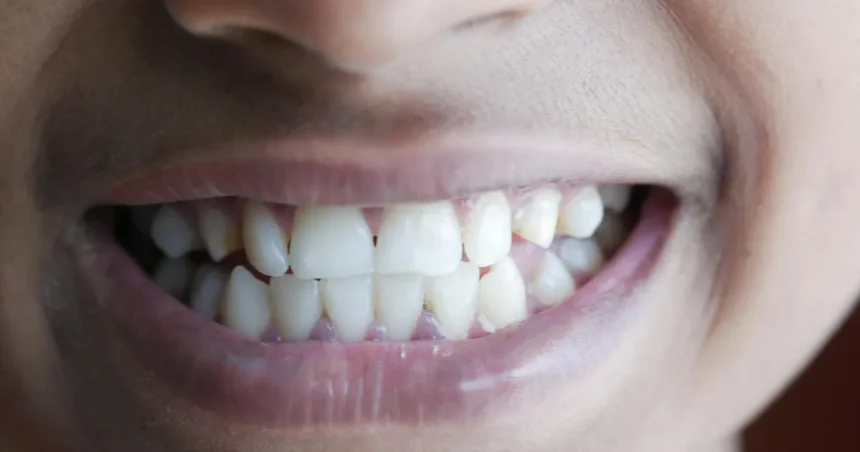
When it comes to maintaining a radiant smile and strong oral health, what you drink plays a surprisingly powerful role. While most people focus on brushing and flossing, the beverages you consume daily can either strengthen your teeth and gums or silently erode them over time. From enamel-protecting elixirs to gum-nourishing sips, the right drinks can act as your mouth’s first line of defense against cavities, sensitivity, and inflammation. But not all liquids are created equal—some may seem harmless but pack hidden sugars or acids that wreak havoc on your dental health. If you’ve ever wondered why your teeth feel rough after a morning smoothie or why your gums bleed despite good hygiene, your drink choices might be the culprit. The good news? Simple swaps can make a world of difference. Let’s explore the best drinks for healthy teeth and gums, backed by science and dental experts, so you can sip your way to a healthier smile without sacrificing flavor or enjoyment.
What Makes a Drink Good for Teeth and Gums?
Before diving into the best beverages, it’s essential to understand what sets a tooth-friendly drink apart from a harmful one. The ideal drink for oral health should meet three key criteria: it must be low in sugar, non-acidic (or minimally acidic), and rich in nutrients that support enamel strength and gum health. Sugar is the primary fuel for harmful bacteria in your mouth, which produce acids that dissolve tooth enamel and lead to cavities. Acidic drinks, even those without sugar, can soften enamel and increase sensitivity over time. On the other hand, drinks packed with calcium, phosphorus, vitamin C, and antioxidants help remineralize teeth, reduce inflammation, and fight gum disease. For example, green tea contains catechins that inhibit bacterial growth, while milk provides calcium and casein to fortify enamel. The best drinks for healthy teeth and gums strike a balance—hydrating, nourishing, and gentle on your mouth’s delicate ecosystem.
How Sugar and Acid Affect Your Teeth
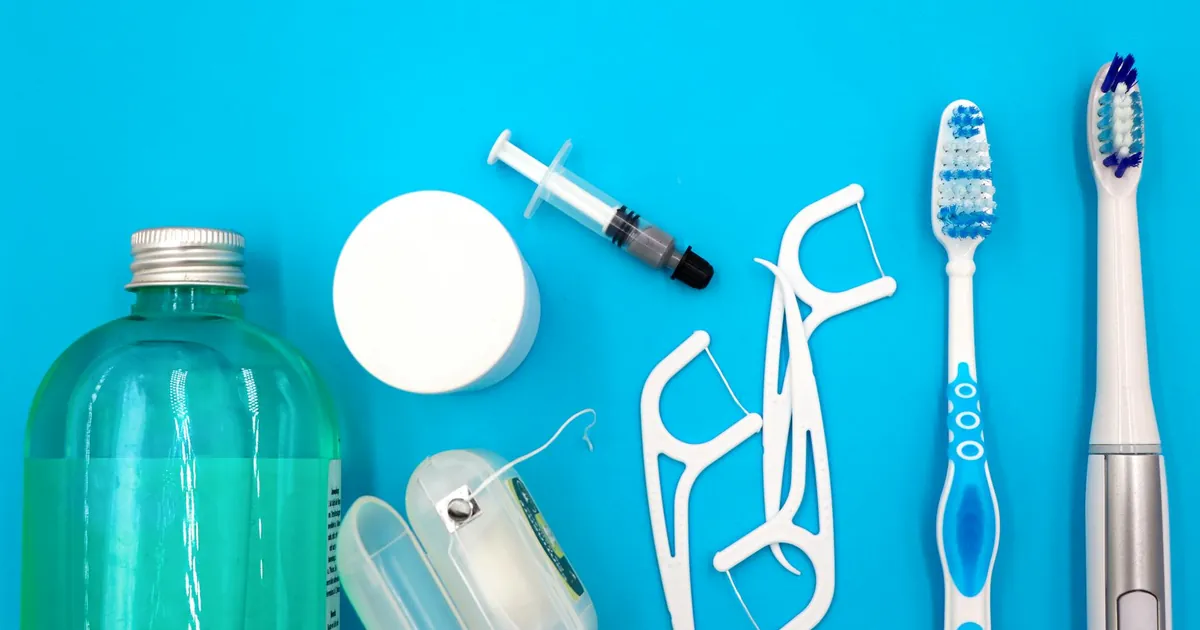
Sugar and acid are the dynamic duo of dental destruction, but they work in different ways. Sugar feeds Streptococcus mutans, the bacteria responsible for plaque formation. When these bacteria metabolize sugar, they produce lactic acid, which lowers the pH in your mouth and begins to dissolve enamel. This process, called demineralization, creates weak spots that can turn into cavities if left unchecked. Acidic drinks, like soda or citrus juices, skip the bacterial middleman and directly attack enamel. Even diet sodas, which contain no sugar, are highly acidic and can erode teeth over time. The pH scale ranges from 0 to 14, with 7 being neutral. Most harmful drinks fall below 5.5, the critical pH at which enamel starts to dissolve. For instance, cola has a pH of around 2.5, while orange juice hovers near 3.5. Regular exposure to these drinks can lead to tooth sensitivity, discoloration, and even tooth loss in severe cases. The key is moderation and timing—sipping acidic or sugary drinks throughout the day prolongs exposure, while drinking them with meals can help neutralize some of the damage.
Nutrients That Strengthen Teeth and Gums
Just as certain nutrients benefit your bones and skin, others are specifically vital for your teeth and gums. Calcium and phosphorus are the building blocks of enamel, and drinks rich in these minerals help remineralize weak spots. Vitamin D plays a crucial role in calcium absorption, making it essential for maintaining strong teeth. Vitamin C is equally important for gum health—it supports collagen production, which keeps gums firm and resilient. A deficiency in vitamin C can lead to bleeding gums and periodontal disease. Antioxidants, like those found in green tea, combat inflammation and reduce oxidative stress in gum tissue. Fluoride, often added to tap water, helps repair early enamel damage and makes teeth more resistant to acid attacks. Probiotics, found in some fermented drinks, can also promote a healthy balance of oral bacteria, reducing the risk of cavities and gum disease. When choosing drinks for healthy teeth and gums, look for these powerhouse nutrients to give your mouth the support it needs.
Top 5 Best Drinks for Healthy Teeth and Gums
Now that you know what to look for, let’s dive into the best drinks to incorporate into your daily routine. These beverages are not only delicious but also packed with benefits for your oral health. Whether you’re looking to prevent cavities, strengthen enamel, or soothe inflamed gums, there’s a drink on this list for you. The best part? Many of these options are easy to find and simple to prepare at home. From classic staples to trendy superfood elixirs, these drinks prove that taking care of your teeth doesn’t have to be boring or restrictive.
1. Water: The Ultimate Oral Health Elixir
Water is the unsung hero of oral health, and it’s arguably the most important drink for your teeth and gums. Staying hydrated keeps your mouth moist, which is crucial for saliva production. Saliva is your body’s natural defense against cavities—it neutralizes acids, washes away food particles, and delivers minerals like calcium and phosphate to your teeth. Without enough saliva, your mouth becomes a breeding ground for bacteria, leading to bad breath, cavities, and gum disease. Drinking water throughout the day, especially after meals, helps rinse away sugars and acids that cling to your teeth. Fluoridated water, in particular, offers an added benefit by strengthening enamel and preventing tooth decay. Unlike sugary or acidic drinks, water has a neutral pH, so it won’t erode your enamel or contribute to sensitivity. For an extra boost, try swishing water around your mouth after consuming acidic or sugary foods to minimize damage. If you’re looking for a simple yet powerful way to improve your oral health, start by drinking more water—your teeth and gums will thank you.
2. Green Tea: A Powerhouse for Gum Health
Green tea isn’t just a trendy health drink—it’s a powerhouse for your gums. Packed with antioxidants called catechins, green tea has been shown to reduce inflammation, fight bacteria, and even lower the risk of periodontal disease. One study published in the Journal of Periodontology found that people who drank green tea regularly had healthier gums and less gum bleeding compared to those who didn’t. The catechins in green tea inhibit the growth of Porphyromonas gingivalis, a bacteria linked to gum disease, while also reducing the production of harmful toxins. Additionally, green tea contains fluoride, which helps strengthen enamel and prevent cavities. To maximize its benefits, opt for unsweetened green tea, as added sugars can negate its positive effects. If you’re sensitive to caffeine, choose a decaffeinated version or limit your intake to the morning. For an extra oral health boost, try swishing green tea around your mouth for 30 seconds before swallowing to allow the catechins to interact with your gums. Whether you enjoy it hot or iced, green tea is a delicious and effective way to support your gum health.
Milk and Dairy Alternatives for Stronger Enamel
Milk has long been touted as a superfood for bones, but its benefits for teeth are just as impressive. Rich in calcium, phosphorus, and vitamin D, milk helps remineralize enamel and strengthen teeth from the inside out. Casein, a protein found in milk, forms a protective film over your teeth, reducing the risk of acid erosion and cavities. For those who are lactose intolerant or prefer plant-based options, fortified dairy alternatives like almond milk, soy milk, or oat milk can also provide similar benefits—just be sure to choose unsweetened varieties to avoid added sugars. While milk is excellent for enamel health, it’s important to note that it does contain natural sugars (lactose), so it’s best consumed in moderation. Drinking milk with meals can help neutralize acids from other foods, further protecting your teeth. If you’re looking for a simple way to boost your enamel strength, a glass of milk or a dairy alternative is a great place to start.
Why Calcium and Vitamin D Matter
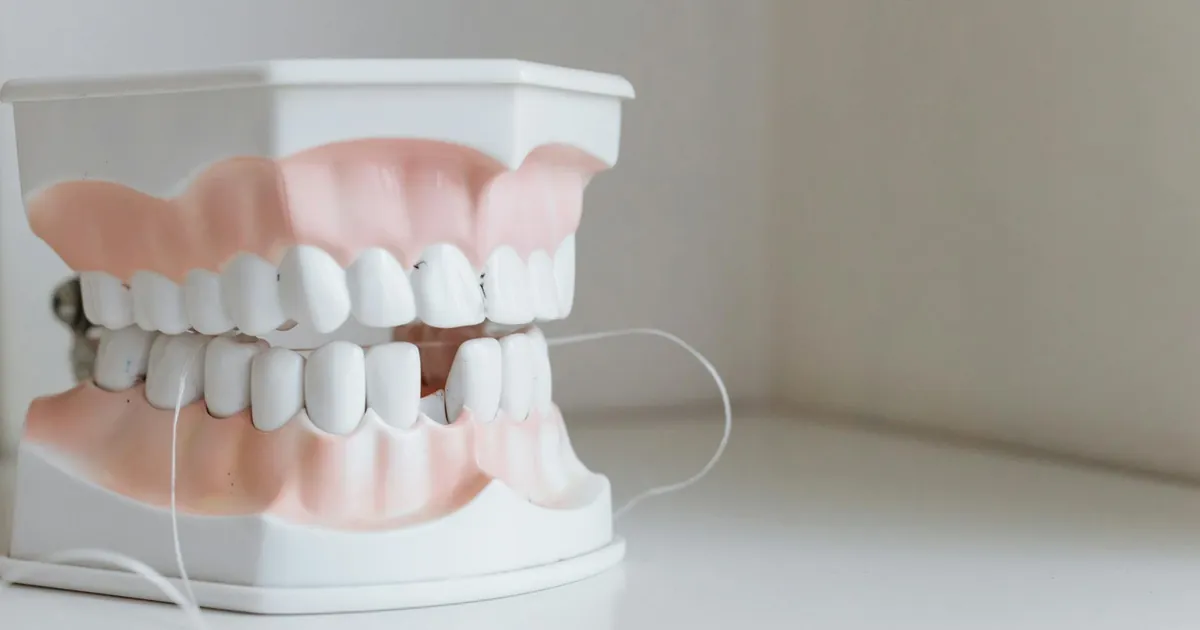
Calcium and vitamin D work together like a dynamic duo for your teeth. Calcium is the primary mineral in enamel, and without enough of it, your teeth become weak and prone to decay. However, calcium can’t do its job without vitamin D, which helps your body absorb and utilize the mineral effectively. A deficiency in either nutrient can lead to soft, brittle teeth and an increased risk of cavities. Vitamin D also plays a role in reducing inflammation in the gums, which can help prevent periodontal disease. While sunlight is the best natural source of vitamin D, fortified drinks like milk, orange juice, and plant-based milks can help you meet your daily needs. If you’re not a fan of dairy, consider adding other calcium-rich foods to your diet, such as leafy greens, almonds, or fortified cereals. For those with dietary restrictions, a vitamin D supplement may be beneficial, but always consult your dentist or doctor before starting any new supplement regimen.
Best Dairy-Free Options for Oral Health
If you’re avoiding dairy, don’t worry—there are plenty of plant-based drinks that can support your oral health. Fortified almond milk, soy milk, and oat milk are excellent alternatives, as they often contain added calcium and vitamin D. When choosing a dairy-free option, look for unsweetened varieties to avoid added sugars, which can contribute to cavities. Coconut milk is another option, though it’s lower in calcium and vitamin D, so it’s best paired with other calcium-rich foods. For a nutrient-packed alternative, try kefir, a fermented drink that contains probiotics to support a healthy balance of oral bacteria. Probiotics can help reduce the risk of cavities and gum disease by crowding out harmful bacteria. If you’re unsure which dairy-free option is best for you, consult your dentist or a registered dietitian for personalized recommendations. The key is to choose drinks that are low in sugar, high in nutrients, and gentle on your teeth.
Herbal Teas That Soothe and Protect Gums
Herbal teas are a fantastic way to support your gum health while enjoying a warm, comforting drink. Unlike traditional teas, which can stain teeth or contain caffeine, herbal teas are naturally caffeine-free and packed with antioxidants and anti-inflammatory compounds. Chamomile tea, for example, has been used for centuries to soothe irritated gums and reduce inflammation. Peppermint tea contains menthol, which has antibacterial properties and can help freshen breath. Rooibos tea, a South African herbal tea, is rich in antioxidants and has been shown to reduce oxidative stress in gum tissue. To maximize the benefits of herbal teas, avoid adding sugar or honey, as these can feed harmful bacteria in your mouth. Instead, enjoy them plain or with a splash of lemon for a refreshing twist. Herbal teas are also a great alternative to sugary or acidic drinks, making them an excellent choice for maintaining healthy teeth and gums.
Chamomile and Peppermint for Gum Inflammation

Chamomile and peppermint are two of the best herbal teas for soothing gum inflammation. Chamomile contains compounds like bisabolol and chamazulene, which have anti-inflammatory and antimicrobial properties. These compounds help reduce swelling and irritation in the gums, making chamomile tea an excellent choice for those with gingivitis or sensitive gums. Peppermint, on the other hand, contains menthol, which has a cooling effect and can help numb minor gum discomfort. Menthol also has antibacterial properties, which can help reduce the risk of gum disease. To use these teas for gum health, steep a tea bag in hot water for 5–10 minutes, then let it cool slightly before swishing it around your mouth for 30 seconds. You can also drink the tea as usual to enjoy its systemic benefits. For best results, incorporate chamomile or peppermint tea into your daily routine, especially after meals or before bed.
Rooibos Tea: A Lesser-Known Gum Protector
Rooibos tea, also known as red bush tea, is a South African herbal tea that’s gaining popularity for its oral health benefits. Unlike traditional teas, rooibos is naturally caffeine-free and low in tannins, which can stain teeth. It’s rich in antioxidants like aspalathin and quercetin, which help reduce inflammation and oxidative stress in gum tissue. Rooibos also contains minerals like calcium, magnesium, and zinc, which support enamel strength and gum health. One study found that rooibos tea can inhibit the growth of Streptococcus mutans, the bacteria responsible for cavities. To enjoy rooibos tea, steep a tea bag in hot water for 5–7 minutes, then drink it plain or with a splash of milk. For an extra boost, try swishing the tea around your mouth before swallowing to allow the antioxidants to interact with your gums. Rooibos tea is a delicious and effective way to protect your gums and support your overall oral health.
Drinks to Avoid for Optimal Oral Health
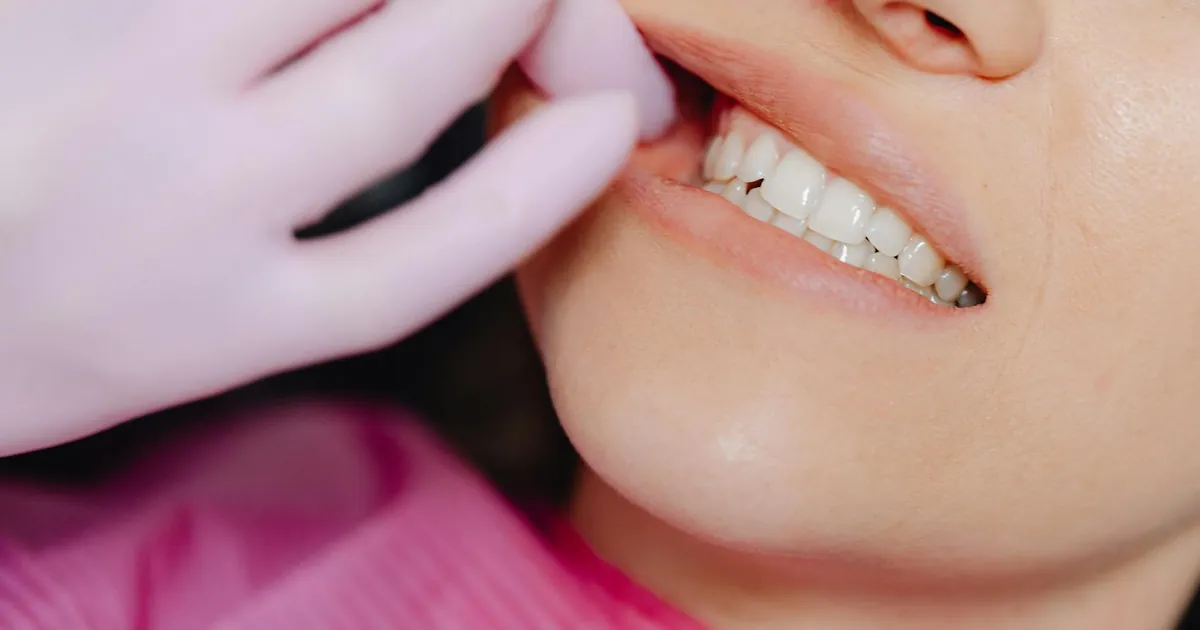
While some drinks can boost your oral health, others can wreak havoc on your teeth and gums. Sugary sodas, energy drinks, and fruit juices are among the worst offenders, as they combine high sugar content with acidity, creating a double threat to your enamel. Even seemingly healthy drinks like smoothies or sports drinks can be problematic if they contain added sugars or acidic ingredients. Alcohol, especially wine and cocktails, can dry out your mouth, reducing saliva production and increasing the risk of cavities. Coffee and black tea, while not as harmful as sugary drinks, can stain teeth and contribute to bad breath. The key is to be mindful of what you’re drinking and how often. If you do indulge in a less-than-healthy beverage, try to consume it with a meal to minimize its impact, and rinse your mouth with water afterward. For more tips on foods and drinks to avoid, check out our guide on foods that damage your teeth.
Why Soda and Energy Drinks Are Harmful
Soda and energy drinks are among the most damaging beverages for your teeth, thanks to their high sugar content and extreme acidity. A single can of soda can contain up to 10 teaspoons of sugar, which feeds harmful bacteria in your mouth and leads to cavities. The acidity in soda, often from phosphoric or citric acid, can erode enamel, making your teeth more susceptible to sensitivity and decay. Energy drinks are even worse—they often contain higher levels of acid and sugar than soda, and their sticky consistency can cling to your teeth for longer periods. Even sugar-free versions of these drinks are harmful, as they’re still highly acidic and can weaken enamel over time. The best way to protect your teeth is to avoid soda and energy drinks altogether. If you do indulge, use a straw to minimize contact with your teeth, and rinse your mouth with water afterward. For a healthier alternative, try sparkling water with a splash of fruit juice or herbal tea.
How Alcohol Affects Your Mouth
Alcohol can have a significant impact on your oral health, even if you don’t drink it excessively. One of the biggest issues with alcohol is that it dries out your mouth, reducing saliva production. Saliva is essential for neutralizing acids, washing away food particles, and delivering minerals to your teeth. Without enough saliva, your mouth becomes a breeding ground for bacteria, leading to bad breath, cavities, and gum disease. Alcohol is also acidic, which can erode enamel and increase sensitivity. Red wine, in particular, can stain teeth due to its tannins, while sugary cocktails can contribute to cavities. To minimize the damage, try to limit your alcohol intake and drink water alongside alcoholic beverages to stay hydrated. If you’re prone to dry mouth, consider using a saliva substitute or chewing sugar-free gum to stimulate saliva production. For more tips on managing dry mouth, check out our article on how to treat sensitive teeth at home.
Key Takeaways
- Water is the best drink for oral health, as it hydrates, rinses away food particles, and supports saliva production.
- Green tea contains antioxidants that reduce inflammation and fight bacteria, making it excellent for gum health.
- Milk and fortified dairy alternatives provide calcium and vitamin D, which strengthen enamel and remineralize teeth.
- Herbal teas like chamomile, peppermint, and rooibos soothe gums and reduce inflammation without staining teeth.
- Avoid sugary and acidic drinks like soda, energy drinks, and fruit juices, as they erode enamel and contribute to cavities.
- Alcohol can dry out your mouth and increase the risk of cavities and gum disease, so consume it in moderation.
- Timing matters—drink acidic or sugary beverages with meals to minimize their impact on your teeth.
“The beverages you choose can either be a silent ally or a hidden enemy for your oral health. Water, green tea, and milk are among the best options, as they hydrate, nourish, and protect your teeth and gums. On the other hand, sugary and acidic drinks can undo years of good oral hygiene in a short time. The key is to make mindful choices and prioritize drinks that support your smile.”
— Dr. Sarah Thompson, DDS, Oral Health Specialist
Frequently Asked Questions
Can drinking water really improve my oral health?
Absolutely. Water is essential for maintaining a healthy mouth because it supports saliva production, which neutralizes acids, washes away food particles, and delivers minerals to your teeth. Drinking water throughout the day, especially after meals, helps rinse away sugars and acids that can lead to cavities and enamel erosion. Fluoridated water offers an added benefit by strengthening enamel and preventing tooth decay. If you’re not drinking enough water, your mouth can become dry, increasing the risk of bad breath, cavities, and gum disease. Aim for at least eight glasses of water a day to keep your mouth hydrated and healthy.
Is coffee bad for my teeth?
Coffee isn’t inherently bad for your teeth, but it does have some drawbacks. The tannins in coffee can stain your teeth over time, giving them a yellowish hue. Additionally, coffee is slightly acidic, which can weaken enamel if consumed in excess. However, the biggest issue with coffee is what people add to it—sugar, flavored syrups, and creamers can turn a harmless cup of coffee into a cavity-causing drink. To minimize the damage, try drinking your coffee black or with a splash of milk, and rinse your mouth with water afterward. If you’re concerned about stains, consider using a straw to reduce contact with your teeth. For more tips on removing stains, check out our guide on how to remove yellow stains from teeth fast.
How often should I drink green tea for gum health?
For optimal gum health, aim to drink 2–3 cups of green tea per day. The catechins in green tea have been shown to reduce inflammation and fight bacteria, but their effects are cumulative, meaning regular consumption is key. To maximize the benefits, choose unsweetened green tea and avoid adding sugar or honey, as these can feed harmful bacteria in your mouth. If you’re sensitive to caffeine, opt for a decaffeinated version or limit your intake to the morning. For an extra boost, try swishing the tea around your mouth for 30 seconds before swallowing to allow the catechins to interact with your gums. Consistency is important, so make green tea a part of your daily routine for the best results.
Are smoothies good for my teeth?
Smoothies can be a healthy choice, but they’re not always great for your teeth. Many store-bought smoothies contain added sugars, which can contribute to cavities. Even homemade smoothies can be problematic if they’re made with acidic fruits like oranges or pineapples, which can erode enamel. However, smoothies made with low-sugar fruits (like berries), leafy greens, and dairy or dairy alternatives can be a nutritious option. To minimize the impact on your teeth, use a straw to reduce contact with your enamel, and rinse your mouth with water afterward. If you’re looking for a tooth-friendly smoothie recipe, try blending spinach, almond milk, and a small amount of banana for sweetness. For more tips on foods that support oral health, check out our article on foods that damage your teeth.
What’s the best time to drink milk for stronger teeth?
The best time to drink milk for stronger teeth is with meals, as this helps neutralize acids from other foods and provides a steady supply of calcium and phosphorus to your teeth. Drinking milk after consuming acidic or sugary foods can also help remineralize enamel and reduce the risk of cavities. However, it’s important to avoid drinking milk right before bed, as the natural sugars in milk can linger on your teeth overnight and contribute to decay. If you do drink milk before bed, be sure to brush your teeth afterward. For the best results, incorporate milk into your breakfast or lunch routine, and pair it with other tooth-friendly foods like whole grains or vegetables.
Can herbal teas replace mouthwash?
While herbal teas can support your oral health, they shouldn’t replace mouthwash entirely. Herbal teas like chamomile, peppermint, and rooibos have anti-inflammatory and antibacterial properties, but they don’t contain the same active ingredients as therapeutic mouthwashes, such as fluoride or chlorhexidine. However, swishing herbal tea around your mouth can help freshen breath, soothe gums, and reduce bacteria. For best results, use herbal teas as a supplement to your oral hygiene routine, not a replacement. If you’re looking for a natural alternative to mouthwash, try swishing green tea or chamomile tea for 30 seconds after brushing. For more tips on maintaining a healthy mouth, check out our guide on the best time to brush your teeth.
How does alcohol affect my oral microbiome?
Alcohol can disrupt your oral microbiome by reducing saliva production and altering the balance of bacteria in your mouth. Saliva is essential for maintaining a healthy oral environment, as it neutralizes acids, washes away food particles, and delivers minerals to your teeth. When you drink alcohol, your mouth becomes dry, creating an ideal environment for harmful bacteria to thrive. Over time, this can lead to bad breath, cavities, and gum disease. Additionally, alcohol is acidic, which can erode enamel and increase sensitivity. To minimize the impact, try to limit your alcohol intake and drink water alongside alcoholic beverages to stay hydrated. If you’re prone to dry mouth, consider using a saliva substitute or chewing sugar-free gum to stimulate saliva production.
Your drink choices have a profound impact on your oral health, often in ways you might not realize. From the enamel-strengthening power of milk to the gum-soothing benefits of herbal teas, the right beverages can transform your smile from the inside out. The key is to make mindful choices—opt for drinks that hydrate, nourish, and protect your teeth and gums while avoiding those that erode enamel or feed harmful bacteria. Small changes, like swapping soda for sparkling water or adding green tea to your routine, can lead to big improvements in your oral health over time. Remember, a healthy smile isn’t just about brushing and flossing—it’s also about what you sip throughout the day. Start by incorporating one or two of these tooth-friendly drinks into your daily routine, and notice the difference in how your mouth feels. For more tips on maintaining a healthy smile, explore our articles on removing yellow stains and treating sensitive teeth at home. Your teeth and gums will thank you for years to come.